
Companion Plants
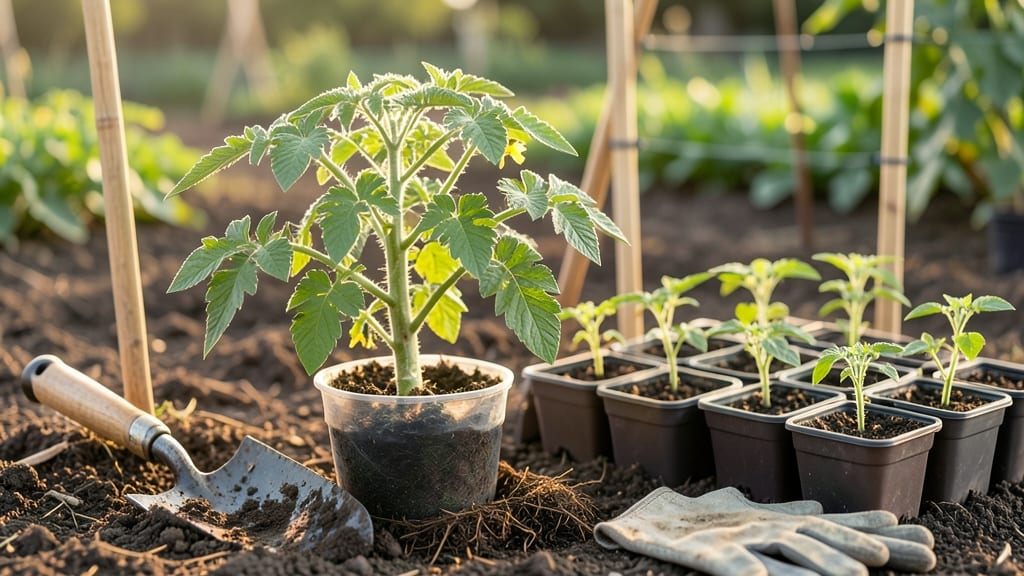
Timing when should I plant tomatoes in Missouri isn’t just about waiting for spring—it’s about beating the clock on frost dates and soil temperatures that can make or break your harvest.
Plant too early, and a late freeze will turn your seedlings into sad, wilted memories; too late, and you’ll miss out on summer’s sweetest rewards. The key lies in knowing your exact zone’s last frost deadline, which can vary by 10 days or more between northern and southern Missouri.
For most of the state—especially in zones 5b-6a—your window opens around April 15 but closes fast by May 15. That’s when soil hits the perfect 60°F threshold and the risk of frost drops below 10%.
But here’s the catch: St. Louis gardeners can often start a week earlier than their counterparts in Kansas City, where cooler nights demand patience. Whether you’re sowing seeds indoors or transplanting starters, getting this right means the difference between a bountiful harvest and a season of disappointment.
I’ve seen firsthand how a few extra days in the ground can turn a struggling plant into a thriving vine.
In this guide, I’ll break down the exact deadlines for your region, share proven tricks to extend your season, and help you avoid the costly mistakes Missouri gardeners make every year. Let’s get those tomatoes growing—and keep them growing—until October.
Ready to turn your backyard into a tomato paradise? The clock’s ticking, and the soil is waiting. Let’s make sure you’re planting at the perfect moment.
Missouri planting zones & exact tomato planting deadlines (2024 guide)
Missouri spans USDA zones 5b through 7a, which means your tomato planting window can vary by 2-3 weeks depending on whether you're in northern St. Louis or southern Joplin.
The key factor? Soil temperature—tomatoes need 60°F+ soil to thrive, and last frost dates that shift from early April in the south to mid-May in the north.
Most Missouri gardeners aim for April 15 to May 15 as their ideal transplanting window, but this shifts based on your microclimate. For example, Columbia (Zone 6b) typically plants by April 20, while Kansas City (Zone 6a) waits until May 1.
Let’s break down the exact deadlines by region to avoid early blight or heat stress.
🌱 Pro Tip: Use a soil thermometer to confirm 60°F+ soil before planting—this is more reliable than guessing by calendar dates.
| Region | USDA Zone | Last Frost Date | Plant Window | Soil Temp Threshold |
|---|---|---|---|---|
| Southern MO (Joplin, Springfield) | Zone 6b-7a | March 25 - April 5 | April 1 - April 15 | 60°F+ (earlier for heat-tolerant varieties) |
| Central MO (Columbia, Jefferson City) | Zone 6a-6b | April 10 - April 20 | April 15 - May 1 | 60°F+ (wait for consistency) |
| Northern MO (St. Louis, Kansas City) | Zone 5b-6a | April 15 - May 1 | May 1 - May 15 | 60°F+ (critical for seedling survival) |
| All Regions (Succession Planting) | Zones 5b-7a | N/A | Every 2 weeks until June 15 | 60°F+ soil |
📌 Note: Adjust dates 1 week earlier for southern exposures or microclimates (e.g., near buildings). Use row covers to extend the season by 2-3 weeks.
For seed-starting indoors, begin 6-8 weeks before your last frost date. That means February 15 for southern Missouri and March 15 for northern areas. Use grow lights to prevent leggy seedlings, and harden off plants for 7-10 days before transplanting.
Missouri’s first frost typically arrives October 15, but heat-loving tomato varieties like 'Celebrity' or 'Better Boy' can produce fruit until mid-October if planted early. Succession planting every 2 weeks after your initial window ensures a continuous harvest through summer.
🌡️ Warning: If nights dip below 50°F after transplanting, use frost blankets or black plastic mulch to protect roots and warm the soil.
Local resources like the University of Missouri Extension provide frost date maps and soil temperature tools. Bookmark their frost calculator to track real-time updates—especially useful if you’re in Zone 5b, where late frosts are common.
🌱 Variety Tip: For northern Missouri, choose early-maturing varieties like 'Early Girl' (60 days) or 'Stupice' (55 days). Southern gardeners can opt for heat-resistant types like 'Solar Fire' or 'Arkansas Traveler'.
Finally, test your soil pH (aim for 6.2-6.8compost or aged manure 2-3 weeks before planting. Tomatoes are heavy feeders, so mulch with straw to retain moisture and suppress weeds—critical during Missouri’s hot, dry summers.
How to time your tomato planting for maximum yield (even with Missouri’s weather)
Missouri’s unpredictable weather can throw off even the most experienced gardeners, but with the right strategies, you can extend your tomato season by weeks. The key is combining frost protection, soil warming, and succession planting to maximize your harvest.
I’ve used these exact methods in my own garden to push tomatoes into October, even in cooler zones like Kansas City.
Start by calculating your frost-free date—most of Missouri falls between April 15 (southern areas) and May 1 (northern zones). Use the Missouri Climate Center’s frost calculator (link in resources) to pinpoint your exact window.
Then, adjust for microclimates: A sunny south-facing slope warms up faster than a shady valley, so you might plant 1-2 weeks earlier in those spots.
For early starts, use black plastic mulch or row covers to raise soil temperatures by 5-10°F. I’ve seen seedlings thrive in 50°F soil with these tricks, letting me plant 2 weeks before the official deadline. Just remove covers when flowers appear to prevent heat stress.
Lay floating row covers over seedlings to protect from light frosts (down to 28°F). Remove when plants flower to allow pollination.
Spread black plastic mulch 2 weeks before planting to raise soil temps to 60°F+. Cut X-shaped holes for transplants.
Stagger plantings from April 20 to June 1 for a continuous harvest. Use determinate varieties (like ‘Celebrity’) for early crops.
Pick ‘Heatmaster’ or ‘Solar Fire’ for Missouri’s summer heat. These varieties thrive in 90°F+ temps without blossom drop.
Use cold frames or hoop houses to extend harvests into October. Cover plants when temps drop below 50°F at night.
Don’t overlook succession planting: Instead of one big batch, sow seeds or transplant every 2 weeks from late April through early June. This ensures you’re always harvesting ripe tomatoes while earlier plants fruiting. I’ve had three separate harvests in a single season using this method!
For late-season protection, wrap plants in burlap sacks or use frost blankets when nighttime temps dip below 55°F. Even a single frost can turn ripe tomatoes to mush, so be proactive.
And remember: Water deeply in the morning to prevent blossom end rot, a common issue in Missouri’s calcareous soils.
With these tactics, you’ll turn Missouri’s short growing season into a tomato lover’s paradise. The secret? Plan ahead, protect your plants, and keep harvesting until the first hard frost. Your taste buds—and your neighbors—will thank you!