
Planting
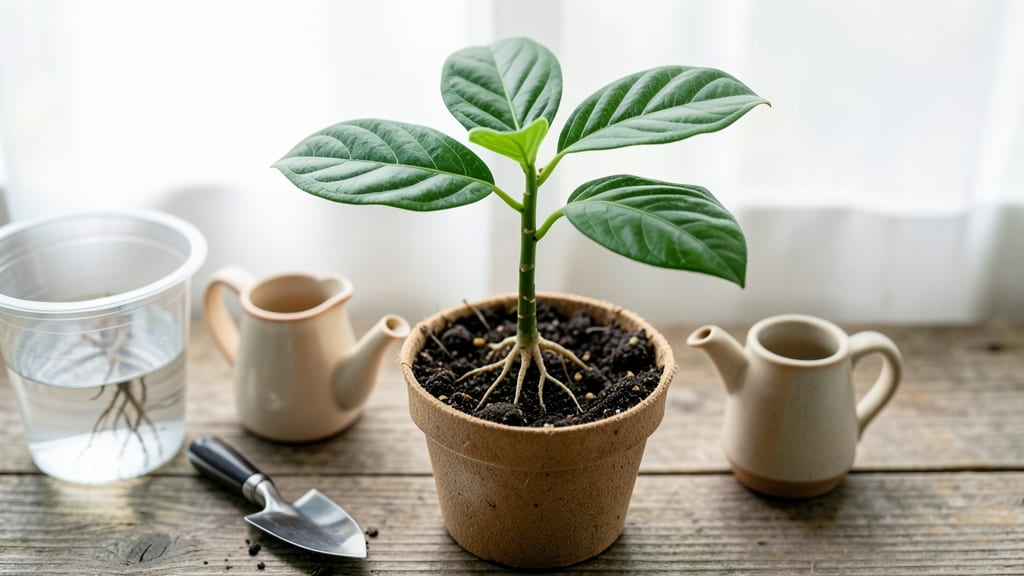
When should I put my avocado plant in soil? Timing the move can feel like a guessing game—too soon, and you risk stunted growth; too late, and you might lose it entirely. The right moment depends on more than just the calendar, and skipping this step could mean the difference between a thriving 🥑 tree and a sad, wilting seedling.
Most gardeners wait until their avocado seedling has developed a strong root system, usually after 4-6 weeks in water. But the real test isn’t time—it’s the roots themselves. I’ll show you how to check for readiness with a simple, foolproof method that takes just 2 minutes.
Spring is the ideal season for transplanting in most regions, especially in USDA Zone 6a, where the last frost typically passes by mid-April. However, if you’re in a warmer climate, you can transplant as early as March.
The key is ensuring your seedling has enough energy to adapt without shock.
Ready to avoid common pitfalls and give your avocado the best start? Let’s dive into the science-backed signs that tell you—yes, it’s time—to plant your seedling in soil for good.
How to test avocado seedling roots for transplant readiness
Transplanting your avocado seedling too soon can stunt its growth, while waiting too long risks root damage. The key is testing for root maturity using the pinch test—a simple but effective method.
Start by removing the seedling from its water jar and gently rinsing the roots to clear away any debris. This step reveals the true state of your plant's root system.
Look for white, fibrous roots that are at least 2-3 inches long. These roots should feel firm but pliable, not mushy or brittle. If your seedling has only a few short roots, it's not ready for soil yet.
Healthy roots indicate your plant has developed enough structure to handle the stress of transplanting.
Now, perform the pinch test: Gently pinch a root between your thumb and forefinger. If it snaps easily, the root is too weak for transplanting.
However, if it bends slightly without breaking, your seedling is ready. This flexibility shows the root has strengthened enough to support the plant in soil.
Another critical sign is the presence of secondary roots. These smaller roots branching off the main roots indicate a well-developed system. Aim for at least 3-4 secondary roots before transplanting. Without them, your plant may struggle to absorb nutrients efficiently once in soil.
- Remove seedling from water and rinse roots to clear debris.
- Check for white, fibrous roots at least 2-3 inches long.
- Ensure roots feel firm but bendable, not brittle.
- Look for 3-4 secondary roots branching from main roots.
Timing is also crucial. For indoor seedlings, aim to transplant when roots fill about half the water jar. This usually happens within 4-8 weeks of sprouting.
If you're growing outdoors in USDA Zone 6a or warmer, wait until after the last frost date (typically mid-April) to minimize cold stress.
If your seedling shows signs of root rot, such as brown, mushy roots or a foul smell, it's not ready for transplanting. Root rot means the plant has been overwatered or stressed, and it needs more time in its current environment to recover.
In this case, trim the affected roots and let the seedling heal before attempting another transplant.
Once your seedling passes the pinch test and has a robust root system, it's time to prepare for soil. Use a well-draining potting mix and a pot with drainage holes to prevent waterlogging.
Place the pot in a location with bright, indirect light for the first week to reduce transplant shock.
After transplanting, monitor your avocado seedling closely for signs of stress, such as yellowing leaves or wilting. These could indicate overwatering or poor drainage. Adjust your watering routine as needed, ensuring the soil stays moist but not soggy.
With proper care, your seedling will establish itself in soil within 2-4 weeks.
Remember, patience is key. Rushing the transplant process can set your avocado plant back weeks or even months. By following the pinch test and waiting for a strong root system, you'll give your seedling the best chance to thrive in its new home.
Best soil and pot setup for newly transplanted avocado seedlings
Now that your avocado seedling has passed the root maturity test, the next critical step is preparing the perfect soil and pot setup. Avocados thrive in well-draining, slightly acidic soil with a pH between 5.5 and 7.0.
Using the wrong mix can lead to root rot or nutrient deficiencies, so let’s get this right from the start.
For potted avocados, a 50/50 mix of cactus/succulent soil and perlite or pumice works wonders. This blend ensures proper aeration while retaining enough moisture for young roots. If you’re planting outdoors in USDA Zone 6a or warmer, amend your garden soil with compost and coarse sand to improve drainage.
Pot size matters too. Start with a 6-8 inch diameter container—just enough room for the roots to spread without feeling cramped. Use a pot with drainage holes to prevent waterlogging, which can suffocate your seedling’s roots.
Terracotta pots are ideal because they allow excess moisture to evaporate, keeping roots healthy.
| Soil Requirement | Specification |
|---|---|
| pH Level | 5.5–7.0 (slightly acidic) |
| Drainage | Excellent (prevents waterlogging) |
| Best Mix | 50% cactus soil + 50% perlite |
| Pot Size | 6–8 inches (diameter) |
| Material | Terracotta (breathable) |
When transplanting, gently loosen the roots to encourage spreading in the new soil. Place the seedling at the same depth it was growing in water—burying the stem too deep can cause rot, while planting too shallow may expose roots to drying out.
After planting, water thoroughly to settle the soil and eliminate air pockets around the roots.
For the first 2-4 weeks post-transplant, keep your avocado seedling in bright, indirect light to reduce stress. Avoid placing it in direct sunlight immediately, as this can scorch delicate new leaves. Gradually introduce it to full sun over the next week to harden it off.
Monitor soil moisture closely—avocados hate soggy roots but also dislike drying out completely. Stick your finger 1 inch into the soil; if it feels dry, it’s time to water. Overwatering is the #1 killer of young avocado seedlings, so always let the top layer dry slightly between waterings.
With the right soil and pot setup, your avocado seedling will establish itself within 4-6 weeks, ready to grow into a robust tree. The key is patience and attention to detail—every step counts when nurturing a young plant from seed to soil.