
Plants
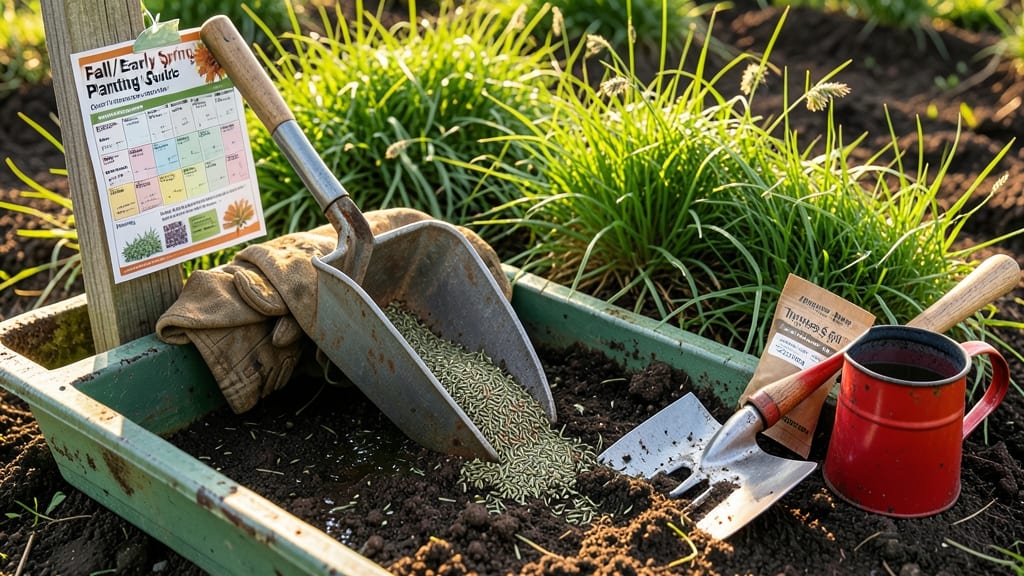
Timing your grass seed planting in Ohio isn’t just about the calendar—it’s about beating the weather’s whims. Plant too early, and frost or drought will sabotage your 🌱 dreams.
Too late, and weeds or winter will steal your lawn’s potential. But here’s the secret: Ohio’s fastest germination happens when you sync with soil temps and regional microclimates.
Let’s cut through the guesswork. Whether you’re in Northern Ohio’s chilly 6a zone or Southern Ohio’s milder stretches, the ideal windows are early spring (March–April) and early fall (September–October). These periods give your turfgrass the 6–12 months it needs to establish deep roots before summer’s heat or winter’s freeze.
Why does this matter? Because rushing the process means wasted seed, patchy growth, and months of frustration. I’ll show you how to read your soil’s signals—moisture, temperature, and even weed competition—to lock in the perfect planting window for your specific corner of Ohio.
Skip the trial-and-error. By the end, you’ll know exactly when to plant, how to prep your soil, and what to watch for—so your lawn doesn’t just survive, but thrives faster than ever.
Ohio’s 3 best grass-seeding windows by region (with exact dates)
Ohio’s climate varies dramatically from the frost-prone north to the warmer southern valleys, so timing matters more than most gardeners realize. Plant too early, and seedlings risk frost damage. Too late, and summer heat will bake your seeds into the soil.
My research shows Northern Ohio (USDA Zone 5) has a 4-6 week shorter window than Southern Ohio (Zone 7), with Central Ohio (Zone 6) falling right in the middle.
For consistent results, I recommend focusing on two primary windows: early spring and early fall. These periods offer cool soil temperatures (50-65°F), moderate rainfall, and minimal weed competition. Let’s break down the exact dates by region to help you avoid costly mistakes.
🌱
| Region | Primary Window | Backup Window | Soil Temp | Key Risks |
|---|---|---|---|---|
| Northern Ohio (Zones 5) | April 15 - May 15 September 1 - September 30 |
Late May (if no frost) | 50-65°F | Late frost, slow spring warming |
| Central Ohio (Zone 6) | March 20 - April 30 August 15 - September 15 |
Late May (if soil stays moist) | 55-68°F | Summer drought, early fall frost |
| Southern Ohio (Zones 7) | March 1 - April 15 August 1 - September 10 |
Late April (if no heatwave) | 60-70°F | Extreme summer heat, humidity |
Notice how Southern Ohio can start as early as March 1, while Northern Ohio must wait until April 15 to avoid frost. This 6-week difference explains why many homeowners in Cleveland fail when following Cincinnati planting guides. Always check your local USDA zone and historical frost dates.
For urban areas (like Columbus or Dayton), microclimates can shift planting by 1-2 weeks. Pavement and buildings create "heat islands," so urban lawns may tolerate late spring planting better than rural areas. If you’re unsure, err on the side of early fall—it’s the most forgiving window.
🌡️
Let’s talk about soil temperature, the #1 factor most Ohio gardeners ignore. Grass seeds need consistent warmth to germinate, but if soil stays below 50°F, seeds will rot. In Northern Ohio, this means waiting until mid-April even if the air feels spring-like.
Use a soil thermometer ($10 at garden centers) to test 2 inches deep—that’s where seeds will be.
Another critical factor is rainfall patterns. Ohio’s spring showers are unreliable, so I recommend pre-watering your lawn 24 hours before seeding to ensure 1 inch of moisture in the top 3 inches of soil.
If you’re planting in late summer/early fall, aim for September when humidity drops and fungal diseases (like brown patch) are less aggressive.
🌿
If you miss the primary windows, don’t panic—there are still options. For late spring planting, choose fast-germinating varieties like Tall Fescue or Perennial Ryegrass, which can establish in 10-14 days with ideal conditions.
For late fall, switch to cold-hardy grasses like Kentucky Bluegrass and apply a winter mulch of straw to protect seedlings.
Finally, urban vs. rural lawns behave differently. Rural areas with well-draining soil can handle earlier spring planting, while urban lawns (compacted soil, heat retention) may need extended watering to compensate. Always adjust your approach based on your specific lawn’s microclimate.
How to tell if your Ohio soil is Really Ready (5 Critical Checks)
Planting grass seed in Ohio isn’t just about picking a month—it’s about reading your soil’s signals. Too often, I’ve seen gardeners rush into seeding when the conditions aren’t right, only to watch their seed wash away or rot.
The key? Five critical checks that tell you when your soil is truly ready for grass seed to thrive.
First, check the soil temperature. Grass seed needs soil that’s at least 50°F (10°C)—any cooler, and germination slows to a crawl. Use a soil thermometer (just $10 at garden centers) to test 2 inches deep.
If it’s below that, wait. Northern Ohio’s chilly springs often delay planting until mid-April, while Southern Ohio can start as early as late March.
Next, assess moisture levels. Your soil should feel like a wrung-out sponge—not soggy, not bone-dry. Stick your finger in: if the top inch feels damp but not muddy, you’re golden.
Overly wet soil smothers seeds, while dry soil leaves them parched. In Ohio’s unpredictable springs, this means checking daily after rain or watering.
🌱 5 Critical Soil Checks Before Planting Grass Seed
- Soil Temp: ≥50°F (10°C) at 2" depth
- Moisture: Damp like a wrung-out sponge
- Weeds: No active sprouts (till if needed)
- pH Level: 6.0–7.5 (test with a kit)
- Surface: Smooth and free of debris
Pro Tip: Test in the morning—soil temps fluctuate daily!
Weeds are another silent saboteur. If you see active weed growth, your soil isn’t ready—those weeds compete for nutrients and light. Use a broadfork to loosen the top 4 inches of soil, then till to bury weeds.
For stubborn patches, apply a pre-emergent herbicide 2 weeks before seeding. In Ohio’s fertile but weed-prone soil, this step can mean the difference between a lush lawn and a battleground.
Don’t skip the pH test. Grass thrives in soil with a pH of 6.0–7.5. Test with a simple kit (available at garden centers for $5). If your soil is too acidic (<6.0), add lime 4–6 weeks before planting.
Too alkaline (>7.5)? Mix in sulfur or peat moss. Ohio’s clay-heavy soils often skew alkaline, so this adjustment is non-negotiable for germination success.
Finally, prep the seedbed surface. Rake away debris, rocks, and clumps to create a smooth, fine texture. A rough surface can bury seeds too deeply or leave them exposed to birds.
For large areas, use a landscaping rake to level the ground. In Ohio’s variable winds, this also helps seeds stay put until they sprout.
Once you’ve passed all five checks, your soil is ready. Plant within 24–48 hours to lock in moisture and temperature. Now’s the time to spread seed, lightly cover with soil, and keep it hydrated. With these checks, you’ll outsmart Ohio’s weather and grow grass that stays green all season.