
Plants
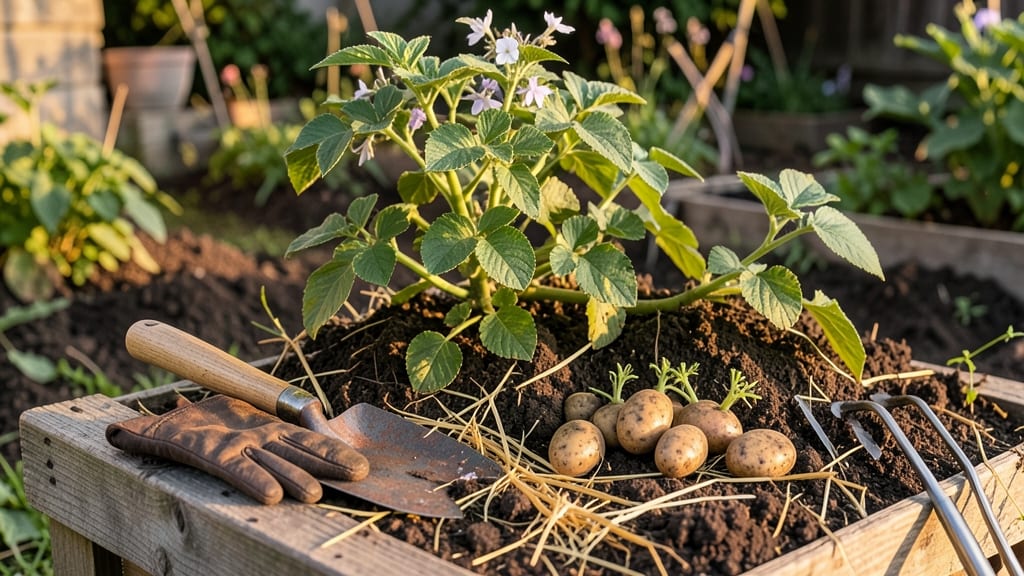
Timing when should you plant potatoes in Pennsylvania isn't just about following a calendar—it's about outsmarting frost, blight, and unpredictable spring weather. Plant too early, and a late frost could turn your tender sprouts into mushy disappointment.
Too late, and you might lose your entire crop to disease before harvest. The difference between a bountiful harvest and a failed patch often comes down to knowing the exact window for your specific zone.
In Pennsylvania's Zones 5-7, where last frosts can arrive as late as mid-April, the ideal planting window actually starts much earlier—sometimes as soon as soil becomes workable in late February or early March.
But don't just grab your shovel and dig; soil temperature and variety selection play equally critical roles. I'll walk you through the precise timing that works for early, mid-, and late-season potatoes, so you can avoid common mistakes that leave gardeners scratching their heads in September with empty harvests.
What if you're still unsure whether your garden is ready? We'll cover how to check soil readiness, when to chit your seed potatoes for a head start, and how to adjust your schedule based on local microclimates.
Whether you're a first-time gardener or a seasoned spud grower, these insights will help you maximize your yield and enjoy homegrown potatoes from July through September—without the guesswork.
The best part? You don't need a green thumb or fancy equipment—just the right knowledge at the right time. Let's dive into the exact planting timeline that will transform your Pennsylvania garden into a potato powerhouse, no matter what Mother Nature throws your way this spring.
Pennsylvania potato planting calendar by Zone 5-7: exact timing for frost-free success
Pennsylvania's diverse climate—from the cool mountains of Zone 5 to the warmer valleys of Zone 7—means your potato planting window varies by 10 days or more.
In Zone 5, wait until mid-April to early May after the last frost, while Zone 7 gardeners can start as early as late March in protected beds. The key? Soil temperature must reach at least 45°F for consistent germination.
Most PA gardeners aim for 2-4 weeks before Memorial Day, but this shifts with microclimates. Urban areas like Philadelphia (Zone 7b) often get warmer 1-2 weeks earlier than rural Erie (Zone 6a).
Check your local NOAA frost data—your last frost date could be April 15 or May 1, depending on elevation.
For early harvests, plant Yukon Golds or Red Pontiacs (60-90 days to maturity) in late March under row covers. Russets (100+ days) need late April planting for a July-August harvest. Pro tip: Chit your seed potatoes 4-6 weeks before planting—they’ll sprout faster in cool PA springs.
| Zone | Last Frost Date | Ideal Planting Window | Soil Temp Threshold | Best Varieties |
|---|---|---|---|---|
| Zone 5 (Pittsburgh, Scranton) | April 20-May 5 | Early May (after frost) | 45°F+ for 7+ days | Kennebec, LaSoda, Fingerlings |
| Zone 6 (Harrisburg, State College) | April 10-20 | Late April | 45°F+ for 5+ days | Yukon Gold, Red LaSoda, Purple Majesty |
| Zone 7 (Philadelphia, Reading) | April 1-May 1 | Late March-April | 45°F+ for 3+ days | Russet, Adirondack Blue, Gold Rush |
🌱 Adjust for elevation: Add 1 week per 1,000ft higher
If you miss the primary planting window, don’t despair—PA’s short growing season allows for late plantings (June) using fast-maturing varieties like New Potatoes (50 days). Just hill soil aggressively to protect tubers from late blight, a major threat in humid PA summers.
For Zone 5 gardeners, consider row covers to extend harvests into September.
For second crops, plant seed potatoes in early July—they’ll mature by first frost (October 15). Choose early varieties like Early Girl (50 days) or Norland (60 days). Mulch heavily with straw to insulate tubers and prevent greening from early fall frosts.
Remember: PA’s unpredictable weather means flexibility is key. If soil stays cold past May 1, wait—rotted seed potatoes are worse than delayed harvests. Use a soil thermometer ($10 at garden centers) to confirm 45°F+ before planting. Early springs?
Start seed potatoes indoors in February for a 2-week head start.
Pro PA gardeners swear by planting potatoes on Good Friday—a tradition dating back to Irish settlers. While superstition won’t hurt, follow the frost data instead. Zone 6?
Aim for April 15. Zone 7? March 25. Zone 5? Wait until May 1 unless you’re using row covers.
For container growing (great for small spaces or early starts), plant in large pots (18"+ deep)
5 Critical factors that determine your ideal potato planting date in PA (and how to check them)
Planting potatoes in Pennsylvania isn’t just about checking a calendar—it’s about reading your soil, weather, and even your seed potatoes. Missing these critical factors can turn your perfect planting window into a failed harvest.
Let me break down what I watch for every year to nail the timing.
First, soil temperature is non-negotiable. Potatoes won’t sprout until the ground reaches at least 45°F (7°C)—any colder, and your seed potatoes will rot. Use a soil thermometer (just $10 at garden centers) to test 6 inches deep, where the roots will grow.
Pro tip: In Zone 5, this often means waiting until mid-April, while Zone 7 gardeners might start as early as late March.
Next, moisture levels matter just as much as temperature. Dry soil cracks and stunts growth, while soggy soil invites rot and disease. Aim for consistently moist (not waterlogged) conditions.
Before planting, give your soil a squeeze test: If it crumbles slightly but holds shape, it’s ready. If it’s powdery or sticky, wait a few days.
Wait until ground reaches 45°F (7°C) at 6" depth. Use a thermometer for accuracy.
Test with the squeeze method: soil should crumble slightly but hold shape.
Pre-sprouted (chitted) potatoes grow 2 weeks faster. Place near a sunny window 2 weeks before planting.
Check 10-day forecasts for frost-free guarantees. Plant when nighttime temps stay above 32°F (0°C).
Early varieties (60-90 days) need earlier planting than late varieties (100+ days). Adjust timing accordingly.
Don’t overlook chitting—that’s the process of pre-sprouting your seed potatoes. Place them in a bright, cool spot (50-60°F) 2 weeks before planting. This gives you a 2-week head start on growth.
I’ve seen chitted potatoes emerge within 7-10 days of planting, while unchitted ones take 3-4 weeks to sprout. For Zone 6, this means starting chitting in early March.
Finally, local weather data is your secret weapon. I rely on NOAA’s frost forecasts to avoid planting too early. For example, in Pittsburgh (Zone 6), the average last frost date is April 15, but I wait until April 22 to be safe.
Use the 10-day forecast to spot sudden cold snaps—planting just before a 32°F (0°C) dip can mean frost-killed vines and wasted seed potatoes.
Lastly, variety maturity changes everything. Early varieties like ‘Yukon Gold’ (90 days) need planting 2-3 weeks before late varieties like ‘Russet Burbank’ (120 days). If you’re growing both, stagger your planting by 3 weeks to spread out your harvest.
This way, you’re not scrambling to dig up potatoes all at once.
Master these 5 factors, and you’ll plant potatoes at the perfect moment—no more guessing, no more wasted seed potatoes. Your future harvest (and your dinner table) will thank you! 🥔