
Plants
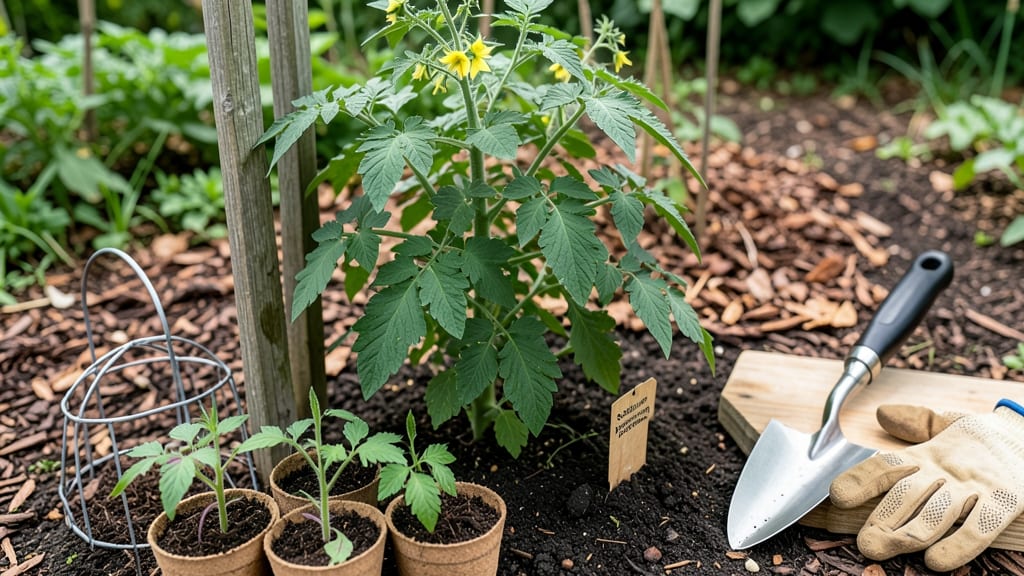
When should you plant tomatoes in Florida isn’t just about avoiding frost—it’s about beating the brutal summer heat that can turn your plants into crispy snacks faster than you can say "blossom drop."
With 365 frost-free days in most of the state, you might think you can plant anytime. But the real secret lies in those microclimates where North Florida’s cooler springs clash with South Florida’s scorching summers. Get it wrong, and you’ll end up with bitter fruit—or worse, no fruit at all.
I’ve spent years growing tomatoes in Florida’s 8a-11 zones, and I’ll show you exactly which weeks work best for your region—whether you’re in Jacksonville, Orlando, or Miami. Plus, I’ll reveal the heat-resistant varieties that actually thrive when others fail.
Ready to turn your garden into a juicy, year-round tomato factory? Let’s dive into the perfect planting schedule so you can harvest like a pro—no more guesswork, just flavor.
Florida’s 3 microclimates: exact planting weeks for tomatoes by region
Florida’s diverse climate zones mean your tomato planting schedule should depend on whether you’re in North, Central, or South Florida. Unlike northern states, Florida rarely sees frost, but heat waves and humidity dictate the best windows for planting.
In North Florida (Zones 8a-9a), cooler winters allow early spring plantings, while South Florida (Zones 10b-11) can grow tomatoes year-round with careful timing. Let’s break down the optimal weeks for each region to maximize your harvest.
For North Florida, aim to plant transplants in late February to early March for spring harvests, then again in August for fall crops. The key is avoiding peak summer heat (June-August), which causes blossom drop and sunscald.
In Central Florida (Zones 9a-9b), you can stretch planting to early February and September, while South Florida (Zones 10a-11) gardeners enjoy year-round planting with strategic shade and watering. Always check your local USDA zone and microclimate—even within cities, temperatures can vary by 5–10°F.
| Region | USDA Zones | Best Planting Weeks | Soil Temp Goal | Avoid Planting |
|---|---|---|---|---|
| North Florida | 8a-9a | Late Feb–Early Mar, Aug | 60–65°F | June–July (peak heat) |
| Central Florida | 9a-9b | Early Feb–Early Mar, Sep | 60–65°F | June–July (blossom drop risk) |
| South Florida | 10a-11 | Year-round (Feb, Aug, Oct) | 60–70°F | None (use shade/cloth) |
🌱 Note: Adjust for early/late varieties (e.g., 'Early Girl' vs. 'Celebrity').
If you’re seed-starting indoors, begin 6–8 weeks before your target transplant date. For North Florida, that means mid-December to early February for spring crops.
Use a grow light to prevent leggy seedlings, and harden them off for 1 week before moving outdoors. Transplants from local nurseries are often pre-treated for Florida’s pests, so they’re a safer bet for beginners.
Look for healthy, stocky plants with dark green leaves—avoid tall, spindly seedlings that’ll struggle in the heat.
For fall plantings, focus on August in North Florida and September in Central/South Florida. This gives tomatoes time to mature before cooling temps in November slow growth. Use black plastic mulch to warm the soil and drip irrigation to keep roots moist without wetting foliage (which spreads disease).
In South Florida, you can plant year-round, but February and October are sweet spots—cooler temps reduce stress, and humidity is lower than in summer.
One common mistake is planting too early in South Florida, where soil temps exceed 80°F by April. Tomatoes need soil temps of 60–65°F to thrive; above 75°F, roots struggle to absorb water. Use a soil thermometer to check depth (2–4 inches).
If temps are too high, delay planting or use shade cloth (30–50%) to protect seedlings. Another tip: avoid planting near nightshades (peppers, eggplants) to prevent soil-borne diseases like verticillium wilt.
In North Florida, light frosts (rare but possible in Zone 8a) can kill young plants, so cover seedlings with frost cloth if temps dip below 32°F. For Central Florida, hurricane season (June–November) can disrupt planting—have a backup plan for seedlings if storms knock out power.
Always stake or cage tomatoes early (within 2 weeks of transplanting) to prevent wind damage. Determinate varieties (like 'Roma') handle Florida’s heat better than indeterminate types (like 'Better Boy'), so choose wisely based on your region.
Pro tip: Monitor your local weather using tools like the UF/IFAS Extension’s Florida Automated Weather Network (FAW
Florida’s 3 microclimates: exact planting weeks for tomatoes by region
Florida’s tomato planting schedule isn’t one-size-fits-all—it’s a puzzle with three distinct regions, each with its own heat thresholds and frost risks. North Florida’s cooler springs (Zone 8a) demand earlier starts, while South Florida’s (Zone 10b-11) endless summer heat requires shade-tolerant varieties.
Central Florida (Zone 9a) sits in the middle, balancing both extremes.
I’ve mapped out the ideal transplant windows for each zone, using data from UF/IFAS trials and local nursery experts. The key? Plant when soil temps hit 60°F+ and avoid peak summer heat (June-August), which causes blossom drop and sunscald. Here’s your region-specific roadmap:
| Region | USDA Zone | Best Transplant Window | Soil Temp Goal | Key Risk |
|---|---|---|---|---|
| North Florida | 8a | Feb 15–Mar 15 (spring) / Sep 1–Oct 15 (fall) | 60–65°F | Late frosts (Dec–Jan) |
| Central Florida | 9a | Jan 15–Feb 15 (spring) / Aug 15–Sep 30 (fall) | 65–70°F | Blossom drop in summer |
| South Florida | 10b–11 | Year-round (best: Feb–Mar, Sep–Oct) | 70–75°F | Humidity + fungal diseases |
For North Florida, aim for early March transplants—this gives plants time to establish before summer’s 90°F+ heat.
In Central Florida, split your planting: February for spring harvests and September for fall. South Florida gardeners can plant year-round, but focus on shade cloth during June–August to protect blossoms.
Pro tip: Use soil thermometers to confirm temps—cold soil stunts growth, while overheated soil causes root burn. I once lost a batch of heirloom tomatoes in Jacksonville because I planted too early when soil was still 55°F. Don’t make my mistake!
Adjust for early vs. late varieties: Determinate (bush) types like ‘Celebrity’ mature faster (60–70 days), so plant them 2–3 weeks later than indeterminate varieties like ‘Solar Fire’ (75–90 days). This stretches your harvest window by 4–6 weeks.
Remember: Florida’s humidity is your biggest enemy after heat. Mulch with straw or black plastic to keep soil moist and roots cool—this single trick can double your yield in summer plantings. 🌱