
Plants
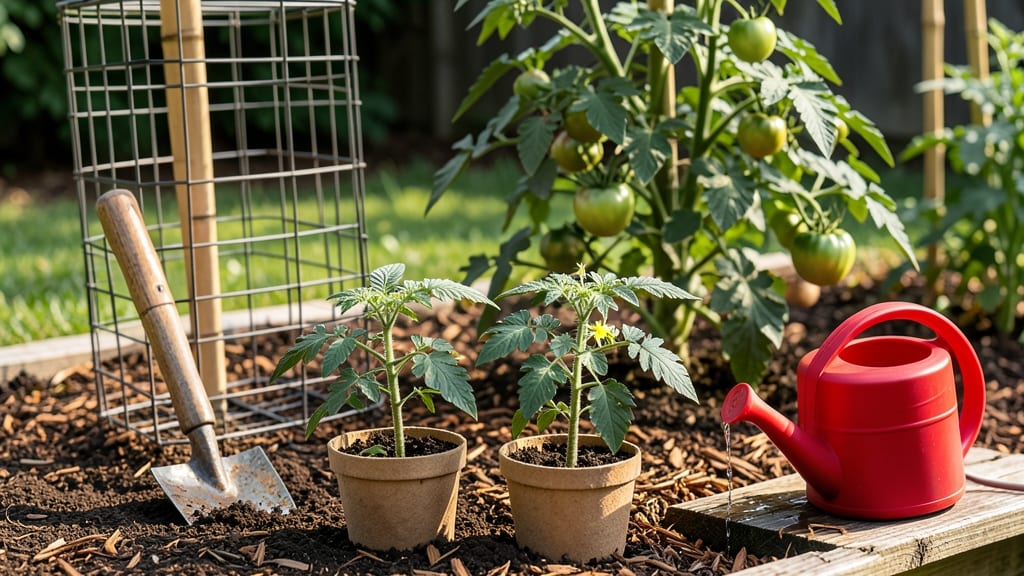
If you’ve ever planted tomatoes in Pennsylvania only to watch frost nip your seedlings or your harvest trickle in too late, you’re not alone—timing is the key to success.
The right window between April 15 and May 15 can mean the difference between a bountiful summer of juicy 🍅 and a disappointing patch of underperforming plants.
Pennsylvania’s 6a-7a zones bring unique challenges, like unpredictable late frosts or short growing seasons, but with the right strategy, you can outsmart the weather. Whether you’re starting seeds indoors or transplanting seedlings, knowing exactly when to put them in the ground sets the stage for a thriving garden.
I’ll break down the exact dates to plant, how to prep your soil for maximum growth, and which varieties thrive best in your region. By the end, you’ll have a clear roadmap to avoid common pitfalls and enjoy tomatoes from June through October.
Ready to turn your tomato dreams into reality? Let’s dive into the game-changer planting schedule tailored just for Pennsylvania gardeners.
Pennsylvania planting zones: exact dates for transplanting tomato seedlings
Pennsylvania’s diverse climate—from the cool mountain valleys of the Poconos to the warmer urban heat islands of Philadelphia—means tomato planting dates vary dramatically.
The Keystone State spans USDA Zones 4a to 7a, with last frost dates ranging from late April in the north to early May in the south. To maximize your harvest, align your planting with your specific zone’s frost-free window and soil temperature.
For most Pennsylvania gardeners, the ideal transplanting window falls between April 15 and May 15, but this shifts 2-3 weeks earlier in southern zones (like Zone 7a in Delaware County) and 2-3 weeks later in northern zones (like Zone 5a in Erie).
The key threshold? Soil temperatures above 60°F—cold soil stunts root growth and delays fruiting. Use a soil thermometer to confirm readiness.
Here’s your zone-by-zone breakdown of transplanting deadlines, tailored to Pennsylvania’s microclimates. Remember: Early starts in cold zones risk frost damage, while late starts in warm zones may lead to blossom drop from summer heat.
| Zone | Last Frost Date | Transplant Window | Soil Temp Threshold | Notes |
|---|---|---|---|---|
| 4a (Poconos, NE PA) | May 1-15 | May 20-June 1 | 60°F+ | Use row covers; start indoors early. |
| 5a (State College, Scranton) | April 25-May 10 | May 10-May 30 | 60°F+ | Black plastic mulch warms soil faster. |
| 6a (Pittsburgh, Harrisburg) | April 15-25 | April 25-May 15 | 55°F+ (earlier starts) | Urban heat islands may allow earlier planting. |
| 6b (Lancaster, Reading) | April 10-20 | April 20-May 10 | 55°F+ | Amish Country’s fertile soil = faster growth. |
| 7a (Philadelphia, Wilmington) | April 1-10 | April 15-May 1 | 50°F+ (risky; wait for 60°F) | Late frosts common; monitor forecasts. |
If you’re direct-sowing seeds instead of transplanting, adjust your timeline 2-4 weeks earlier—seeds germinate best in 70-80°F soil. For example, in Zone 6a, sow seeds April 1-15 under row covers or in a greenhouse.
Pro tip: Pre-warm seedling trays on a sunny windowsill or use a heat mat to speed germination.
Pennsylvania’s unpredictable spring weather demands flexibility. I always plant a few extra seedlings as backups—just in case a late frost hits. For northern zones (4a-5a), consider starter plants from local nurseries (like Burpee or Johnny’s Selected Seeds) for a head start.
In southern zones (6b-7a), you can even sow a second crop in early July for a fall harvest before frost.
One common mistake? Planting too early based on calendar dates rather than actual soil conditions. I’ve seen gardeners in Philadelphia (Zone 7a) lose seedlings to April frost because they rushed planting. Always check the 10-day forecast and monitor soil temps—a
Best for PA: Start seedlings indoors by March 1 and transplant after last frost (typically April 15–May 1).
With these strategies, you can turn Pennsylvania’s short growing season into a tomato bonanza from June through October. The key is adapting to your microclimate—whether that’s urban Philadelphia or rural Allegheny County. 🍅How to extend your tomato growing season in Pennsylvania’s unpredictable climate
Pennsylvania’s unpredictable spring frosts and early fall freezes can cut your tomato harvest short. But with the right strategies, you can extend your season by 4–6 weeks—even in zone 4a. The key is balancing heat protection with light exposure while avoiding common pitfalls like blossom-end rot from temperature swings.
Cold frames and floating row covers are my top tools for early spring starts. I’ve used them to transplant seedlings as early as mid-April in zone 5b, giving vines a 2-week head start before removing covers after the last frost. For late-season harvests, low tunnels with clear plastic can push maturity dates into October—just watch for humidity buildup that fuels fungal diseases.
⚖️ Early vs. Late Planting Trade-Offs
Early Planting (March–April)
Late Planting (May–June)
💡 Pro Tips for Pennsylvania Gardeners