
Planting
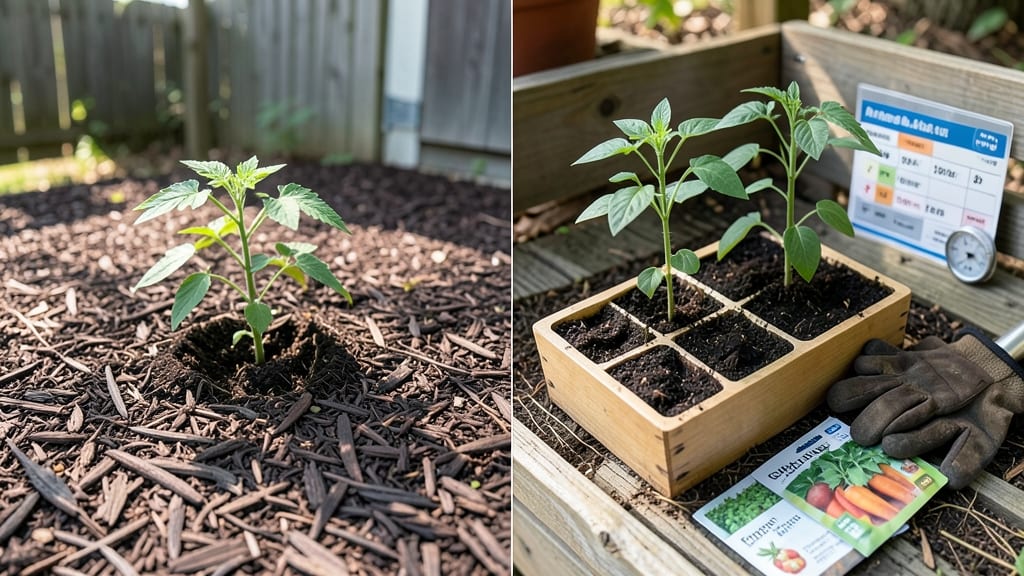
When to plant a garden in Alabama at the right time makes all the difference between a bountiful harvest and wasted effort. With the state's varied climate zones—from humid coastal plains to cooler mountain regions—planting too early or late can leave your 🌱 vulnerable to frost, pests, or stunted growth.
I’ve spent years tracking Alabama’s planting windows, and the key is knowing your exact USDA zone. Whether you’re growing heat-loving tomatoes or cool-season greens, the wrong schedule can turn your hard work into disappointment.
Let’s cut through the guesswork with a zone-specific guide that ensures your garden gets off to the best possible start.
From the first frost dates in the mountains to the extended growing seasons near the coast, Alabama offers unique opportunities for gardeners. You’ll discover the ideal months for planting everything from vegetables to perennials, plus how to adjust for microclimates in your backyard.
Ready to maximize your yields? I’ll walk you through the exact planting calendar, soil prep tips, and even how to extend your growing season—so you can enjoy fresh produce from spring through fall without the stress.
Alabama planting calendar by zone: exact months for vegetables, flowers & herbs
Alabama spans USDA zones 6A–8B, meaning your planting schedule should adapt to whether you're in the cooler mountains (zone 6A) or the balmy coastal plains (zone 8B).
The key? Start cool-season crops 6–8 weeks before your last frost date, while warm-season plants need soil temps above 60°F to thrive. Here’s your month-by-month breakdown:
For zone 6A (North Alabama), your last frost typically falls around mid-April, while zone 8B (South Alabama) may see frost as late as January.
This means spinach and broccoli can go in as early as late February in zone 8B but wait until March in zone 6A. Meanwhile, tomatoes and peppers should only hit the soil after mid-April in the north and early March in the south.
🌱Pro Tip: Use a soil thermometer to confirm warmth—warm-season crops like okra and sweet potatoes need soil temps of 70°F+ to germinate reliably.
Heat-sensitive plants like cucumbers and squash should be seeded after Memorial Day in northern Alabama to avoid blossom-end rot from sudden temperature swings. Meanwhile, Southern exposure gardens in zone 8B can enjoy year-round greens with minimal frost risk.
🌿Zone-Specific Hack: In zone 6A, use black plastic mulch to warm soil for early warm-season plantings. In zone 8B, prioritize shade cloth in summer to protect lettuce and herbs from bolting.
Herbs like basil and cilantro thrive in Alabama’s heat but bolt quickly. Direct-sow basil in May and cilantro in fall for best results. For perennials like rosemary and thyme, plant in early spring or fall to establish roots before extreme heat or cold.
🌡️Watch For: False springs in March can trick you into planting too early. Wait until nighttime temps stay above 40°F for cool-season crops to avoid frost damage.
Container gardens in Alabama offer flexibility—you can start warm-season veggies like peppers indoors in February (zone 6A) or January (zone 8B) and transplant after last frost. Just ensure pots have drainage holes to prevent root rot in our humid summers.
💡Extension Tip: Alabama Cooperative Extension offers free frost date maps—bookmark theirs for your county to fine-tune your schedule annually.
How to adjust your planting schedule for Alabama’s microclimates
Alabama’s diverse geography—from coastal plains to mountain valleys—creates microclimates that can shift planting times by weeks. A neighbor’s perfectly timed tomato harvest might fail in your shadier urban yard or higher-elevation backyard. Understanding these variations lets you fine-tune your schedule for optimal growth.
Urban areas like Birmingham or Huntsville often face heat islands where asphalt and concrete trap warmth, delaying frost. Meanwhile, mountain regions (Zone 6A) may experience earlier frosts than lowland areas (Zone 8B). Even a 500-foot elevation gain can push frost dates back by 2–3 weeks.
Use these tools to customize your schedule:
- Soil thermometers ($10–$20) to check if soil is 55–65°F for cool-season crops or 65–75°F for warm-season plants.
- Frost trackers (like Alabama A&M’s AgriMet) for real-time alerts.
- Shade cloth to extend spring/fall seasons in hot microclimates.
For container gardens, plant 2–3 weeks later than in-ground beds—containers heat up faster and dry out quicker. In shaded areas, prioritize low-light crops like lettuce or spinach and avoid sun-lovers like tomatoes or peppers.
Pro tip: Succession plant heat-tolerant crops (e.g., okra, sweet potatoes) in late June to fill gaps when spring crops bolt in Alabama’s summer heat. Track your microclimate’s quirks for years to refine your schedule.
Adjusting for microclimates turns Alabama’s unpredictable weather into an advantage—your garden thrives while others struggle. Start with small test plots to see how your local conditions differ from the norm.