
Planting
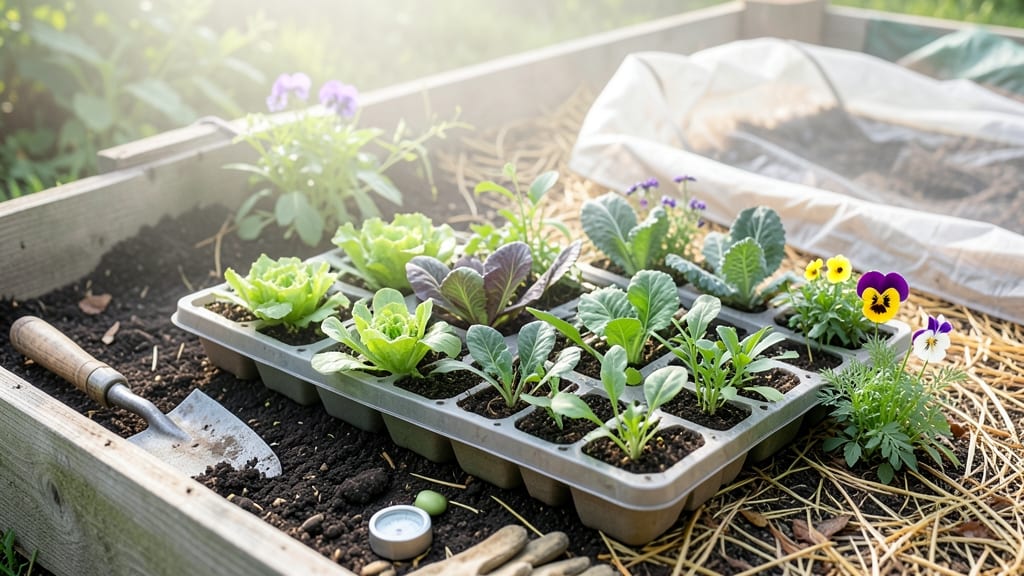
Knowing when to plant a garden in Cleveland, Ohio can feel like playing a high-stakes game of chance—get it wrong, and Mother Nature might just wipe out your hard work overnight.
The key to success isn’t guessing; it’s knowing when to plant based on your microclimate, whether you’re near Lake Erie’s cooling breezes or tucked into an inland neighborhood where temperatures climb faster.
With Cleveland’s USDA Zone 6a climate, you’ve got roughly 165 frost-free days to work with, but those dates shift depending on whether you’re planting cool-season crops like spinach or heat-loving tomatoes.
Missing the window by even a week could mean the difference between a bountiful harvest and a sad, frost-nipped disappointment.
I’ll break down exactly when to start seeds indoors, when to transplant seedlings, and how to adjust for Cleveland’s unpredictable spring warm-ups.
Whether you’re a first-time gardener or a seasoned green thumb, these tips will help you plant with confidence—so you can enjoy fresh produce from your General Vegetable Garden all season long.
From extending your growing season with row covers to choosing the right varieties for your microclimate, you’ll learn how to make the most of Cleveland’s short but sweet gardening window. Let’s get those seeds in the ground at the perfect time!
Cleveland’s frost-free dates by zone: when to plant cool-season vs warm-season crops
Cleveland’s USDA Zone 6a climate creates a unique gardening challenge with last frost dates ranging from April 15 near Lake Erie to May 10 inland. The first frost typically arrives between October 10 (Lakefront) and November 5 (inland areas), giving you a 165-day growing season on average.
These variations mean your planting schedule should account for your specific microclimate—whether you’re gardening near the Lake Effect cooling or in warmer inland neighborhoods.
To maximize your harvest, divide your garden into cool-season crops (planted before last frost) and warm-season crops (planted after). Cool-season plants like lettuce, spinach, and peas can handle light frosts, while warm-season favorites like tomatoes, peppers, and cucumbers need consistent warmth.
Cleveland’s urban heat islands can also push back frost dates by 3-5 days in city centers compared to rural areas.
Here’s how to use these frost dates as your gardening compass:
| Microclimate | Last Frost Date | First Frost Date | Cool-Season Planting Window | Warm-Season Planting Window |
|---|---|---|---|---|
| Lakefront (e.g., Edgewater) | April 15 | October 10 | March 15–April 15 | May 1–May 15 |
| Urban Heat Islands (e.g., Downtown) | April 20 | October 15 | March 20–April 20 | May 5–May 20 |
| Inland (e.g., Parma, Solon) | May 10 | November 5 | April 1–May 1 | May 10–May 25 |
🌱 Adjust planting dates by 1-2 weeks if your neighborhood has unique microclimate traits (e.g., south-facing yards warm up faster).
For cool-season crops, start seeds indoors 4-6 weeks before your expected last frost date. Harden off seedlings 1-2 weeks before transplanting outdoors. Leafy greens like kale and spinach can even survive light frosts, while root vegetables like carrots and beets prefer cooler soil.
Plant these in early spring (March–April) or late summer (August) for a fall harvest.
Warm-season crops require soil temperatures above 60°F (15°C) to thrive. Test your soil with a soil thermometer—if it’s consistently below this, wait another week. Tomatoes, peppers, and eggplants are heat-lovers and should only go into the ground after May 1 in most of Cleveland.
Use black plastic mulch to warm the soil faster if you’re eager to plant early.
Pro tip: Keep a gardening journal for at least 3 years to track your local frost dates. Cleveland’s weather patterns shift yearly—your notes will help you fine-tune planting times.
For example, if you notice peppers thrive when planted May 10 in your yard but wilt with May 1 plantings, adjust next year’s schedule accordingly.
If you’re unsure about your microclimate, check the NOAA Cleveland climate data or use the Old Farmer’s Almanac for 10-day forecasts. These tools can help you anticipate late frosts or unseasonable warmth.
For example, if the forecast predicts a 30% chance of frost on May 5, hold off on planting tomato seedlings until after that date.
Remember, Cleveland’s Lake Effect can create sudden temperature drops. If you’re planting near Lake Erie, be prepared to cover tender seedlings with frost cloth until the risk of frost passes.
Inland areas may experience hotter, drier conditions in summer, so plan for succession planting to keep your garden productive all season.
Finally, don’t overlook perennial plants like asparagus, rhubarb, and strawberries. These can be planted in early spring (March–April) and will reward you with years of harvests with minimal effort. Their roots establish quickly in Cleveland’s loamy soil, making them a smart choice for low-maintenance gardens.
With these frost-free dates as your guide, you’ll avoid the heartbreak of frost-damaged seedlings and maximize your harvest potential. Happy planting! 🌿
How to adjust planting times for Cleveland’s unpredictable weather patterns
Cleveland’s weather can shift faster than you can say “late frost,” leaving even experienced gardeners second-guessing their planting schedule. The key to success? Flexibility. I’ve learned to adjust planting times based on real-time conditions—like tracking NOAA Cleveland forecasts or using row covers to buy extra weeks of growing time.
For example, if your seedlings are ready by April 1 but the forecast calls for a 32°F dip, delay planting or protect them with frost cloth.
Another trick I swear by is succession planting. Instead of sowing all your lettuce seeds at once, stagger them every 2 weeks from late April through June. This ensures a continuous harvest even if Mother Nature throws a curveball.
For warm-season crops like tomatoes, wait until the soil temperature hits 60°F (usually mid-May) to avoid stunted growth from chilly roots.
🌱Pro Tip: Use a soil thermometer—it’s your best friend in Cleveland. If the ground stays below 50°F for more than a week, hold off on planting heat-loving crops like peppers or squash. They’ll sulk in cold soil, and you’ll end up with leggy, weak plants.
Here’s how I adjust my timeline based on Cleveland’s quirks: Urban areas (like downtown) often warm up 1-2 weeks earlier than rural spots due to the heat island effect. Meanwhile, Lakefront neighborhoods near Lake Erie can experience delayed warming because of the Lake Effect.
Check your local microclimate—your neighbor’s garden might be ready to plant while yours still has frost risk!
For hardening off seedlings, start the process 7-10 days before transplanting. Gradually expose them to outdoor conditions (wind, sun, temperature swings) by placing them in a sheltered spot for a few hours daily, then increasing the time.
This toughens them up so they’re not shocked when they hit your garden. I’ve lost too many seedlings to skip this step—don’t make my mistake!
🌿Warning: Avoid planting warm-season crops (tomatoes, peppers, cucumbers) before the last frost date, even if they’re labeled “cold-hardy.” Seedlings are delicate, and a surprise frost will crisp them up faster than you can say “oops.”
If you’re desperate for an early start, grow them indoors under grow lights until the coast is clear.
Finally, keep an eye on the first frost date (usually October 10–November 5 in Cleveland). For fall planting, focus on cold-hardy crops like kale, spinach, and radishes. These can handle light frosts and even sweeten up after a freeze!
If you’re growing tender plants like basil or beans, pull them up or move pots indoors before the first chill hits.
- 📅 Track NOAA forecasts for last frost updates—Cleveland’s dates vary yearly.
- 🌡️ Wait for soil temps ≥60°F for warm-season crops to avoid stunted growth.
- 🏙️ Adjust for microclimates: Urban areas warm faster; Lakefront zones lag behind.
- 🌱 Hardening off seedlings 7–10 days before transplanting to prevent shock.
- 🍂 Plant fall crops by September 15 to harvest before first frost.
With these adjustments, you’ll turn Cleveland’s unpredictable weather into an advantage. My tomato plants thrive when I wait for that 60°F soil mark**, and my lettuce never bolts because of staggered plantings. Now it’s your turn—grab your soil thermometer and make the weather work for you!