
Planting
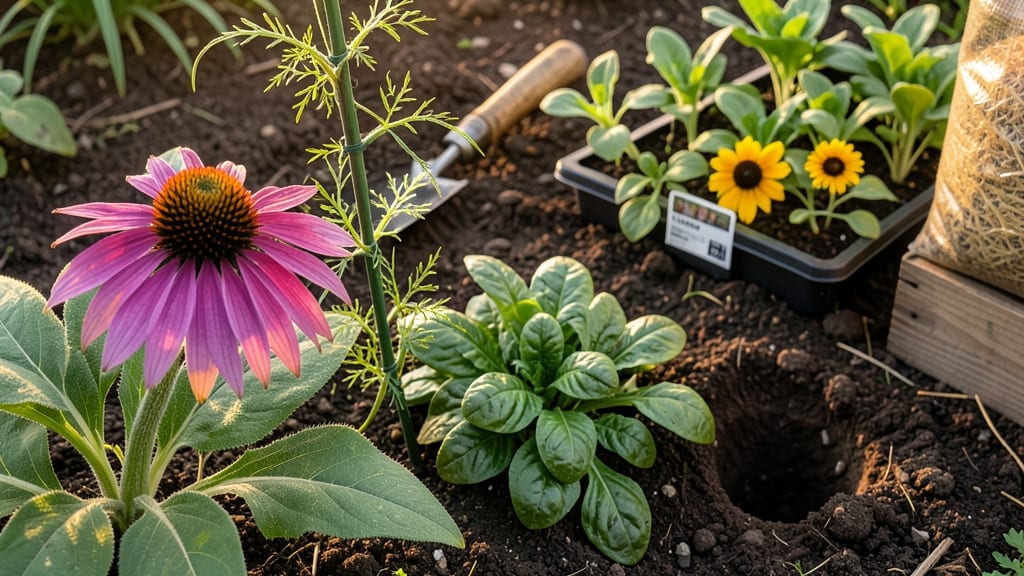
Timing your Minnesota garden planting right can mean the difference between a thriving harvest and a sad, frost-nipped disappointment. With USDA zones 3-5 and unpredictable spring weather, knowing when to plant isn't just helpful—it's essential for success.
Most Minnesota gardeners wait until after the average last frost date—around May 10—but the exact timing depends on what you're growing. Cool-season crops like spinach and peas can handle chilly soil, while tomatoes and peppers need to wait until the ground warms to at least 50°F.
In this guide, I'll break down the best planting windows for your region, whether you're in the Twin Cities or up in the Northland. You'll learn how to stretch your growing season, protect tender plants, and maximize your harvest—no matter how early that first frost arrives.
Ready to turn your Minnesota garden into a productive oasis? Let's get started with the perfect planting schedule for your favorite crops.
Minnesota last frost dates by region: key planting windows
Minnesota’s last frost dates vary dramatically across its 5 climate zones, from the frigid Northland to the milder Southern regions. These dates determine whether your cool-season crops (like spinach) or warm-season crops (like tomatoes) will thrive.
Understanding your zone’s average last frost helps you avoid frost damage and plan for successive plantings.
For example, Northern Minnesota (Zones 3-4) typically sees its last frost around May 15–June 1, while Southern Minnesota (Zone 5) warms up by May 1–May 15. The first frost also shifts: September 15–October 1 in the north versus September 20–October 15 in the south.
These variations mean your planting schedule should adjust based on your location.
🌱 Key Takeaway: Use the Minnesota DNR’s frost maps or local almanac data to pinpoint your exact last frost date. Even within a zone, microclimates (like urban heat islands) can shift dates by 1–2 weeks.
| Region | Zone | Avg. Last Frost | Avg. First Frost | Plant Warm-Season Crops | Plant Cool-Season Crops |
|---|---|---|---|---|---|
| Northland | 3-4 | May 15–June 1 | September 15–October 1 | June 1–15 | March 15–April 30 (under cover) |
| Arrowhead | 3-4 | May 20–June 5 | September 20–October 5 | June 5–20 | March 20–May 1 |
| North Central | 4 | May 10–May 25 | September 25–October 10 | May 25–June 10 | March 25–April 15 |
| Central | 4-5 | May 1–May 15 | September 20–October 5 | May 15–June 1 | March 15–April 1 |
| Southern | 5 | April 25–May 10 | September 25–October 15 | May 10–25 | March 1–March 15 |
Source: Minnesota DNR and local almanac data (2023 averages)
Your planting window for warm-season crops (tomatoes, peppers, beans) opens 2–4 weeks after your last frost date. For cool-season crops (spinach, peas, lettuce), you can start seeds 4–6 weeks before the last frost—even in March—using row covers or a cold frame to protect tender seedlings.
For perennials and shrubs, timing matters too. Plant in early spring (April) or early fall (September) when soil is workable but frost risk is low. Avoid planting in summer heat, which stresses roots.
Pro Tip: Use frost cloth or black plastic mulch to warm soil faster in Northern Minnesota. In Southern Minnesota, focus on succession planting every 2 weeks to stretch your harvest season.
Always check weekly forecasts in May—a late frost can still hit, especially in higher elevations or northern counties. Keep tender seedlings near a south-facing wall or under hoop houses for extra protection.
For container gardening, you can plant warm-season crops 2–3 weeks earlier since pots warm up faster. Just ensure containers have drainage holes to prevent root rot in Minnesota’s cool, wet springs.
Finally, track your own frost dates for 2–3 years. Your backyard’s microclimate might differ from official averages, and knowing your true last frost gives you a competitive edge for a longer harvest.
Best crops to plant in Minnesota by seasonal timeline
Minnesota’s short but intense growing season means choosing the right crops—and planting them at the perfect time—is everything. Cool-season crops thrive in early spring and fall, while warm-season plants need the heat of summer. Let’s break down the best planting windows for Minnesota’s most popular garden favorites.
For cool-season crops like spinach, kale, and peas, start seeds indoors in March or sow directly in early April (as soon as soil is workable). These hardy plants can handle light frosts and even grow well into late fall if planted by August 1.
Warm-season crops like tomatoes, peppers, and cucumbers need to wait until after the last frost date—typically mid-May in most of Minnesota. Soil temperatures should reach at least 50°F before planting these heat-lovers. For a jumpstart, begin seeds indoors in April and transplant after the frost risk passes.
Summer crops such as beans, corn, and squash thrive when planted in late May to early June. These fast-growing plants need the full heat of summer to produce well. If you’re in the Northland or Arrowhead regions, opt for quicker-maturing varieties to beat the early frost.
Fall planting is a Minnesota gardener’s secret weapon! Crops like kale, carrots, and radishes can be sown as late as early September for a harvest before winter sets in. These cold-hardy plants actually sweeten up after a light frost, making them perfect for late-season gardens.
🌱 Pro Tip: Always check your local USDA zone (3-5 in Minnesota) and adjust planting times by 1-2 weeks if you’re in a cooler microclimate, like near a lake or in higher elevations.
🌿 Minnesota Planting Timeline by Crop Type
| Crop Type | Planting Window | Frost Tolerance | Best Varieties for MN |
|---|---|---|---|
| Cool-Season Veggies | March (indoors) or April-May (outdoors) | Tolerates light frost | Spinach, Kale, Peas, Lettuce |
| Warm-Season Veggies | After last frost (May 10-June 1) | Sensitive to frost | Tomatoes, Peppers, Cucumbers |
| Summer Crops | Late May-June | Heat-loving | Beans, Corn, Squash |
| Fall Crops | August-September | Cold-hardy | Kale, Carrots, Radishes |
| Herbs & Flowers | April-May or August-September | Varies by type | Basil, Marigolds, Zinnias |
✅ Note: Adjust timing 1-2 weeks earlier for Southern MN or later for Northern regions.
Don’t forget to succession plant fast-growing crops like lettuce and radishes every 2-3 weeks to ensure a steady harvest. And if you’re in a shorter-season zone, prioritize quick-maturing varieties to maximize your yield before the first frost.
By following this timeline, you’ll avoid common pitfalls like frost damage or bolting plants (when they flower too early). Happy planting—and here’s to a bountiful Minnesota harvest! 🌻