
Plants
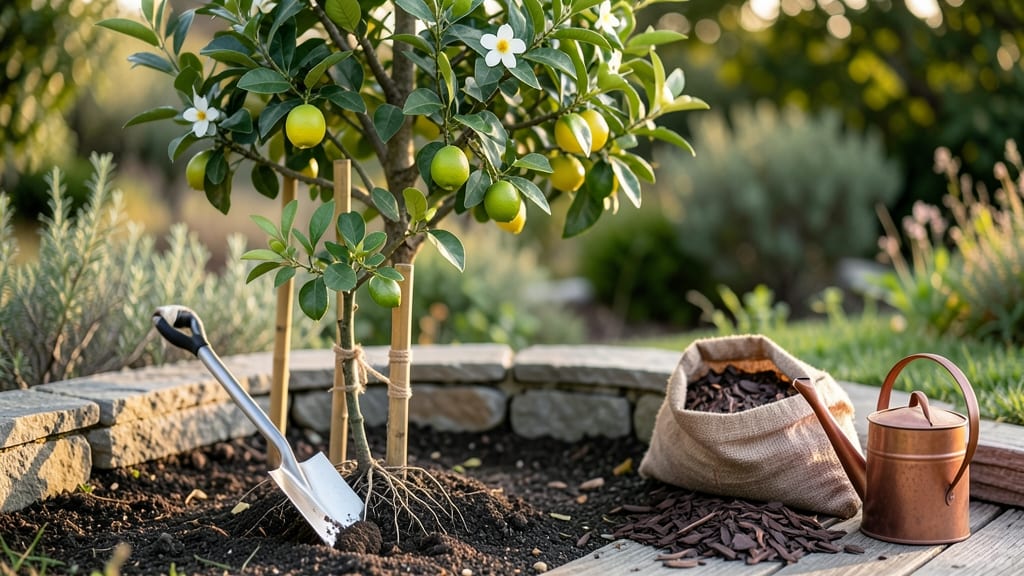
Planting a lemon tree in the ground at the wrong time can mean the difference between a thriving citrus grove and a sad, withering sapling—so timing is everything for your lemon tree’s survival.
If you’re in USDA Zones 6-9, your best bet is to plant after the last frost in spring, when soil temperatures warm up and frost risks fade.
But for frost-free zones like Zones 9b-10, winter planting can actually give your tree a head start before summer’s heat arrives.
Why does this matter? Lemon trees are sensitive to cold, and planting too early can shock their roots, while waiting too long might stunt growth. I’ll break down the exact months for your zone, plus how to prep your tree for success—no guesswork, just thriving citrus.
Whether you’re planting bare-root or container-grown, these insights will help you avoid common mistakes and set your lemon tree up for a fruitful future. Let’s get started!
Best planting months for lemon trees by USDA hardiness Zones
Timing your lemon tree planting is critical—one wrong move can shock its roots or expose it to frost. The best planting window depends on your USDA hardiness zone, with spring being ideal for most regions.
In warmer zones like 9b-10, winter planting works too, while Zones 6-8 need to wait until after the last frost.
Lemon trees thrive in warm soil (at least 60°F) and hate cold snaps. If planted too early, roots won’t establish before winter. If planted too late, summer heat stress can stunt growth.
Let’s break down the perfect months for each zone to ensure your tree gets off to a strong start.
🌱 Pro Tip: Check your local last frost date (e.g., April 15 in Zone 6, November 1 in Zone 10) and plant 4-6 weeks after for optimal root growth.
| USDA Zone | Best Planting Months | Soil Temp Requirement | Key Consideration |
|---|---|---|---|
| Zones 6-7 (Cold Climates) | Late April to May | 60°F+ (15°C+) | Wait until all frost risk has passed; use mulch for winter protection. |
| Zones 8-9 (Temperate) | March to April (spring) or November (winter) | 55°F+ (13°C+) | Spring planting avoids summer drought; winter planting needs container flexibility. |
| Zones 9b-10 (Tropical/Subtropical) | Winter months (Dec-Feb) or early spring | 65°F+ (18°C+) | Plant in cooler months to reduce transplant shock; avoid peak summer heat. |
| Zone 11 (Year-Round Warm) | Year-round (best in rainy season) | 70°F+ (21°C+) | Prioritize well-draining soil to prevent root rot in humid climates. |
For Zone 6-7 gardeners, planting in late May might seem late, but it’s better than risking frost damage. In Zones 9b-10, winter planting (like in December) gives roots time to settle before summer’s intensity. Always amend soil with compost to improve drainage—lemon trees hate soggy roots.
If you’re in a transition zone (e.g., Zone 8a), err on the side of spring planting. These areas can have unpredictable frost, and a young tree’s roots won’t recover quickly from cold stress. Mulch heavily (3-4 inches) to insulate roots if you must plant in early fall.
⚠️ Warning: Avoid planting during summer heat waves (temps above 90°F/32°C). Transplant shock + heat = leaf scorch and stunted growth. If you must plant in summer, do it in early morning and shade the tree for 2 weeks.
Container-grown lemon trees (common in nurseries) can handle slightly earlier planting than bare-root trees, but don’t rush. Their roots are already established in pots, but they still need stable soil temps. For bare-root trees, soak roots in water for 1-2 hours before planting to reduce shock.
Finally, check your local extension office for microclimate tips. Urban areas can be 5-10°F warmer than rural zones, shifting your ideal planting window. For example, a Zone 7 city might safely plant in early April while nearby farms wait until May.
With the right timing, your lemon tree will establish roots in 6-8 weeks and reward you with sweet lemons in 2-3 years. Patience and preparation now mean years of harvests later! 🍋
Signs your lemon tree is ready for ground planting (not too early, not too late)
Timing isn’t just about the calendar—it’s also about your lemon tree’s physical readiness. A tree planted too early risks frost damage, while one planted too late may struggle to establish roots before winter. Look for these key indicators before digging that hole.
First, check the root system. If your lemon tree has white, fibrous roots extending 4-6 inches beyond the root ball, it’s ready. Roots that are dry, brittle, or circling mean it needs more time in its container. Healthy roots should also smell fresh, not musty or rotten.
Next, examine the leaves. New growth should be vibrant green and slightly waxy, signaling the tree is actively photosynthesizing. Avoid planting if leaves are yellowing, curling, or dropping—this could mean stress from transplant shock or poor care.
Weather forecasts are your final green light. Plant when the 10-day forecast shows no frost risk and soil temperatures are consistently above 60°F (15°C). Use a soil thermometer to check—cold soil slows root growth and increases shock.
🌱
White, fibrous roots 4-6" long = GOOD
Dry, brittle, or circling roots = WAIT
Bright green, waxy leaves = READY
Yellowing or curling leaves = DELAY
Above 60°F (15°C) = PLANT
Below 55°F (13°C) = HOLD OFF
No frost in 10-day forecast = SAFE
Frost warning? WAIT IT OUT
Roots filling 70% of pot = TIME TO UPOT
Still loose soil? KEEP POTTING
If you’re unsure, harden off your lemon tree first. Move it outdoors for 2-3 hours daily over a week, gradually increasing exposure. This helps it adjust to sunlight, wind, and temperature swings without shock. Skip this step, and you risk leaves burning or roots struggling to adapt.
Pro tip: Plant on a cloudy day to reduce stress. The lower light levels help the tree focus on root establishment rather than photosynthesis. Water deeply before and after planting to encourage root spread into the surrounding soil.
✂️