
Plants
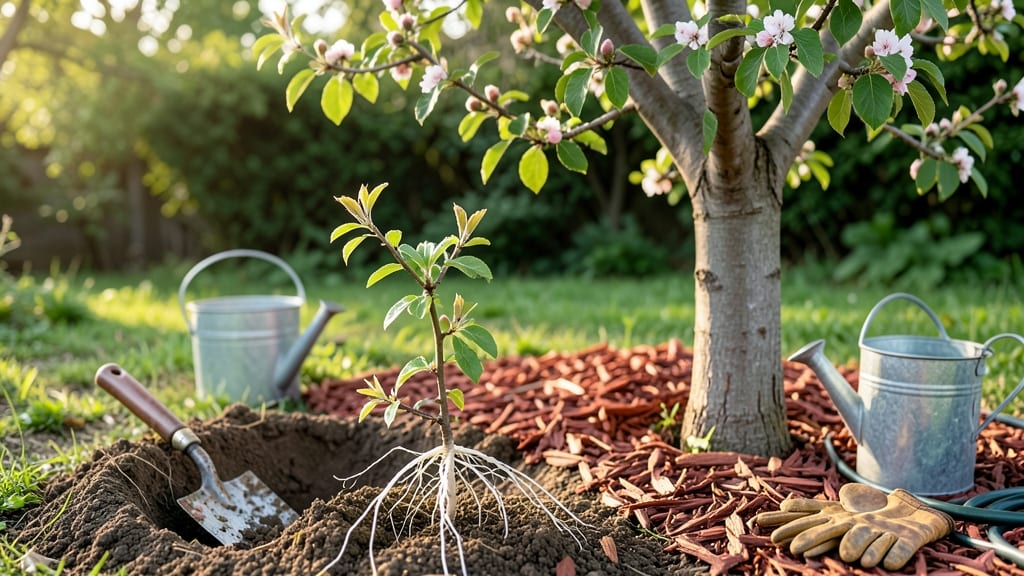
Timing your peach tree 🍑 planting in Texas isn't just about the calendar—it's about matching your variety to your region's chill hours and avoiding the brutal summer heat.
Plant too early, and your tree might bolt before winter; too late, and it could struggle to establish roots before the heat kicks in.
Most Texas gardeners swear by late winter (January-February) as the sweet spot, when soil temperatures are cool but not frozen. This gives your tree time to root deeply before the 100°F+ Texas summers arrive.
But here's the catch: if you're in South Texas (Zone 9b-10b), your chill-hour needs might be as low as 200 hours, while North Texas (Zone 8a) can handle varieties needing up to 800 hours.
I'll walk you through exactly which varieties thrive in your specific Texas region, how to prep your soil for maximum root growth, and the 3 critical mistakes that kill peach trees before they even fruit. Spoiler: mulch isn't just decoration—it's survival insurance.
Ready to grow peaches that actually ripen? Let's dive into the Texas-specific strategies that'll have you harvesting juicy fruit by May or June, not waiting for a tree that never quite makes it.
Texas chill-hour zones and best peach tree planting months
Texas spans USDA Zones 8a-10b, creating dramatic differences in chill-hour requirements for peach trees. Northern regions like Lubbock (Zone 8a) need 800+ chill hours, while South Texas (Zone 10a) thrives with 200-300 chill hours. Planting outside these ranges risks poor fruit set or no harvest at all.
For optimal root establishment, focus on late winter (January-February) when soil temps hover around 50-60°F. This window aligns with Texas’ last frost dates—typically February 15 in North Texas and January 15 in South Texas—giving young trees time to harden off before summer heat arrives.
Early spring (March) is your second-best window, but only for low-chill varieties in warmer zones. Avoid planting in summer or fall—Texas’ extreme heat or early frosts will shock tender roots, stunting growth for years.
Texas Peach Tree Planting Guide by Chill-Hour Zone
| Zone | Chill Hours | Best Planting Month | Soil Prep | Post-Planting Care |
|---|---|---|---|---|
| 8a-8b (North) | 800-1,000+ | January-February | pH 6.0-7.0, amend with compost | Mulch 3” deep, water 2x/week |
| 9a-9b (Central) | 500-700 | December-January | Well-draining soil, add lime if acidic | Drip irrigation, prune dead branches |
| 10a-10b (South) | 200-400 | November-December | Sandy loam, avoid clay | Shade cloth in summer, fertilize spring |
Before planting, test your soil’s chill accumulation using a chill-hour calculator from Texas A&M AgriLife Extension.
Their free online tool maps your exact chill hours, helping you pick the right peach variety—critical for Texas gardeners where a 500-chill-hour difference can mean the difference between abundant fruit and no harvest.
For soil preparation, till in 3-4 inches of compost and work in 1 cup of 10-10-10 fertilizer per planting hole. Texas soils often lack organic matter, so amending with well-rotted manure improves moisture retention—essential for young trees during summer droughts.
After planting, mulch heavily with wood chips to retain moisture and regulate soil temperature. In North Texas, mulch prevents frost heave during winter thaws, while in South Texas, it shields roots from scorching summer sun.
Water deeply 2-3 times per week for the first month, then taper to weekly deep waterings once established.
Pro tip: Stake young trees in windy areas like the Panhandle or West Texas, where gusts can uproot shallow roots. Use t-posts and soft ties to avoid girdling the trunk as it grows.
Texas’ variable climate means even the best-laid plans can go awry. Monitor your tree’s leaf color and growth rate—yellowing leaves signal nitrogen deficiency, while stunted growth may indicate poor drainage or inadequate chill hours. Adjust care accordingly to keep your peach tree thriving.
🌱
Texas chill-hour zones and best peach tree planting months
Texas isn’t one-size-fits-all when it comes to peach trees—your chill-hour zone dictates everything from variety selection to planting timing. The Lone Star State spans USDA Zones 8a-10b, with chill hours ranging from 200 hours in South Texas to over 1,000 hours in the Panhandle.
If you’re in Zone 9b+, you’ll need low-chill varieties like ‘Redtop’ or ‘Contender’, while North Texas gardeners can grow classic ‘Elberta’ or ‘Redhaven’ with 500-800 chill hours.
Most Texas gardeners agree: the best planting window is late winter (January-February), when soil temps hover around 50-60°F. This gives roots time to establish before summer’s 100°F+ heat arrives.
However, if you’re in South Texas (Zone 9b-10b), you can plant container-grown trees in December or early March to avoid heat stress. The key? Plant 2-3 weeks before your last frost date—check your local AgriLife Extension for exact dates.
Here’s how to match your zone to the perfect planting strategy:
| Zone | Chill Hours | Best Planting Month | Soil Prep Tip | Post-Planting Care |
|---|---|---|---|---|
| North Texas (8a-8b) | 600-1,000+ | January-February | Amend clay soil with compost | Mulch with 3" wood chips |
| Central Texas (8b-9a) | 400-600 | Late January-March | Test pH (aim for 6.0-7.0) | Water deeply 2x/week |
| South Texas (9b-10b) | 200-400 | December-March | Use raised beds for heat | Shade young trees in summer |
Pro tip: If you’re planting in Zone 9b+, choose dwarf varieties like ‘Contender’—they handle heat better and fruit faster. For North Texas, ‘Redhaven’ thrives with its 600 chill hours, but plant it on the north side of your yard to avoid afternoon sunburn.
Always dig your planting hole twice as wide as the root ball to encourage root spread.
After planting, water deeply for 10 minutes to eliminate air pockets, then mulch with 3-4 inches of organic mulch (like pine straw) to retain moisture. In Texas’ dry climate, young peach trees need 15-20 gallons of water weekly during the first year—don’t skimp!
The goal is to establish roots 6-12 inches deep before summer hits.
Remember: Texas peach trees won’t fruit their first year, but with the right chill hours and planting timing, you’ll see blossoms by year 3 and harvests by year 4-5.
Patience pays off—especially in a state where one wrong move can turn your peach dream into a sun-scorched stump.