
Planting
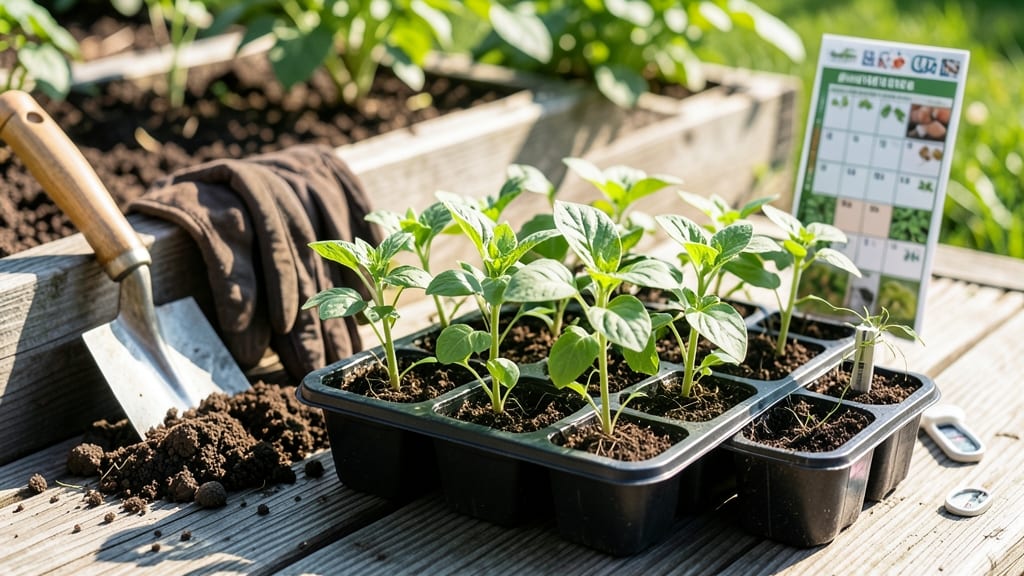
When to plant a vegetable garden in Missouri can mean the difference between a thriving harvest and a sad, wilted disappointment. With USDA zones ranging from 5a to 6b, knowing when to plant your 🌱 isn't just helpful—it's essential for avoiding those frustrating early frosts or scorching summer heat.
Missouri’s climate throws curveballs—humid river valleys, dry western plains, and urban heat islands all create microclimates that shift planting deadlines by weeks. Get it wrong, and your tomatoes might bolt before fruiting or your lettuce could bolt in the heat.
But get it right, and you’ll enjoy a garden that rivals the state’s famous hospitality.
I’ve spent years testing what works in Missouri’s soil, and what I’m about to share will help you avoid common mistakes. Whether you’re a first-time gardener or a seasoned green thumb, these zone-specific deadlines will give you the confidence to plant at the perfect time.
Let’s dive into the exact dates for cool-season crops like peas and spinach, as well as warm-season favorites like tomatoes and peppers—plus how to adjust for your local microclimate. Your garden’s success starts here.
Missouri planting deadlines by USDA Zone (5a to 6b): exact dates for cool-season vs. warm-season crops
Missouri spans USDA Zones 5a to 6b, meaning frost dates vary dramatically from northern St. Louis (Zone 6a) to southern regions like Springfield (Zone 6b). Your planting timeline should align with these zones—or risk losing crops to unexpected frosts or heat waves.
For example, Zone 5a gardeners in the Ozarks face last frosts around April 15-30, while Zone 6b areas near the Arkansas border can start warm-season crops by March 15.
Cool-season crops like lettuce, spinach, and peas thrive when soil temps hit 40-50°F, often 4-6 weeks before last frost. Warm-season crops (tomatoes, peppers, squash) need 60°F+ soil and should wait until 2 weeks after last frost.
In Missouri, this means late April to early May for most regions—but timing shifts by 10-14 days between zones.
Here’s the critical comparison for Missouri’s most popular vegetables, tailored to your zone:
| Crop Type | Zone 5a (Ozarks/North) | Zone 6a (St. Louis/Kansas City) | Zone 6b (Southwest) |
|---|---|---|---|
| Cool-Season (Spinach, Peas, Kale) | March 15–April 15 | March 1–April 1 | February 28–March 15 |
| Warm-Season (Tomatoes, Peppers, Cucumbers) | May 1–May 15 | April 15–April 30 | March 20–April 10 |
| Fall Planting (Broccoli, Carrots, Beets) | August 1–August 15 | July 31–August 10 | July 20–July 31 |
| Last Frost Date (Avg.) | April 15–April 30 | April 1–April 15 | March 15–March 31 |
Pro tip: Use Missouri Botanical Garden’s frost tracker for real-time updates, as last frosts can shift by 1-2 weeks yearly. For example, 2023’s late April frost in St. Louis caught many gardeners off guard—so always have row covers ready for early plantings.
Warm-season crops like tomatoes and peppers need consistent warmth, so avoid planting before soil hits 60°F. Test with a soil thermometer—cool soil delays germination.
In Zone 5a, wait until May 1 for transplants, while Zone 6b gardeners can start as early as March 20 in protected beds.
Missouri’s humid climate also means fungal diseases thrive in damp conditions. Space plants properly to improve airflow, and avoid overhead watering after sunset to prevent blight in tomatoes and peppers. For example, stagger plantings every 2 weeks for bush beans to ensure continuous harvests without overcrowding.
Don’t overlook succession planting—it’s your secret weapon for maximizing yields. In Zone 6a, sow lettuce every 2 weeks from March to September to avoid bolting. Similarly, radishes mature in 25 days, making them perfect for filling gaps between slower crops like carrots (70+ days).
For container gardening, start warm-season crops 4-6 weeks indoors (e.g., peppers in early March) and transplant after last frost. Containers warm up faster than soil, giving you a 2-week head start in cooler zones like 5a.
Just ensure pots have drainage holes to prevent root rot—Missouri’s summer downpours are no joke!
Missouri’s western regions (e.g., Joplin, Springfield) often experience earlier last frosts due to higher elevations, while river valleys (like the Mississippi) can be 2-3°F warmer. Use these microclimate clues to fine-tune your schedule: if you’re near water, plant warm-season crops 1 week earlier.
How Missouri’s microclimates affect planting: river valleys vs. Ozark Highlands vs. urban heat zones
Missouri’s geography creates dramatic differences in planting conditions. The Mississippi River valley stays warmer longer, while the Ozark Highlands can see frost weeks earlier. Even within cities, urban heat islands can push planting dates forward by 2-3 weeks compared to rural areas.
If you’ve ever wondered why your neighbor’s tomatoes thrive while yours struggle, the answer likely lies in these microclimates.
For example, St. Louis (Zone 6b) near the river might have a last frost around April 15, but just 50 miles north in Columbia (Zone 6a), frost can linger until May 1.
These variations mean hardiness zone maps alone won’t cut it—you need to understand how your specific location behaves.
Elevation plays a huge role too. The Ozark foothills often experience earlier frosts due to cooler air settling in valleys. Meanwhile, urban areas with pavement and buildings trap heat, creating pockets where warm-season crops like peppers can start earlier.
Even a south-facing slope in your yard might warm up 2-3°F faster than a north-facing area.
| Microclimate | Last Frost Date | First Frost Date | Adjustment Tip |
|---|---|---|---|
| Mississippi River Valley | April 10-15 | October 25-30 | Plant warm crops 1 week earlier |
| Ozark Highlands | May 1-5 | October 10-15 | Use row covers for cool crops |
| Urban Heat Zones | April 5-10 | October 20-25 | Extend season with shade cloth |
Wind exposure is another critical factor. Gardens in open plains lose heat faster at night, while those near wooded areas retain warmth longer. If your yard has prevailing winds, consider planting windbreaks like corn or sunflowers to protect delicate crops.
Even a 6-foot-tall fence can create a microclimate that’s 5°F warmer in winter.
Soil drainage varies dramatically too. River bottoms often stay moist longer, while upland areas dry out faster. Before planting, dig a hole, fill it with water, and check how quickly it drains.
If water lingers, amend with compost or sand. If it disappears instantly, add organic matter to retain moisture.
To adapt, start by observing your garden’s behavior for 2-3 years. Note when frost occurs, how long soil stays workable, and which areas get the most sun. With this local knowledge, you’ll refine planting dates to match your specific microclimate—giving your vegetables the best possible start. 🌱