
Planting
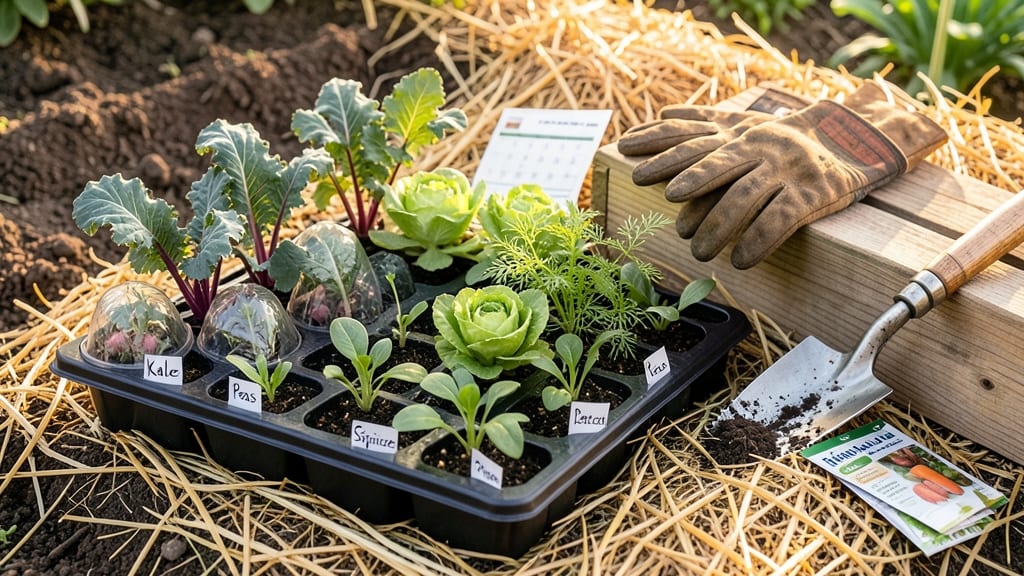
Timing when to plant a vegetable garden in New Brunswick could mean the difference between a thriving harvest and a disappointing one.
Whether you're in coastal Saint John or inland Fredericton, getting those seeds in the ground at the right moment is everything—especially when unpredictable weather can throw off your plans faster than you can say "first frost."
With USDA Zone 5b bringing its own set of challenges, knowing when to start cool-season crops like spinach or when to hold off on tomatoes can feel like solving a puzzle.
But here’s the good news: once you master the local cues—like average last frost dates in mid-May—you’ll be planting with confidence, not guesswork.
In this guide, I’ll break down exactly when to plant your vegetable garden for both coastal and inland areas, so you can avoid common mistakes like bolting lettuce or stunted tomatoes. You’ll also discover how to stretch your growing season with simple tricks that work in New Brunswick’s climate.
Ready to turn your garden into a productive powerhouse? Let’s dive into the perfect planting schedule tailored just for you—and trust me, your future harvest will thank you for it.
New Brunswick planting zones: coastal vs inland timing for vegetables
New Brunswick’s USDA Zone 5b might sound uniform, but the province’s geography creates dramatic differences between coastal and inland areas. The Bay of Fundy moderates temperatures near Saint John, while Fredericton’s inland climate can see 10°F colder nights in spring.
These variations mean your tomato seedlings might thrive in Saint John by May 10 but still need frost protection in Fredericton until May 25.
Understanding these microclimates is key to avoiding common mistakes like planting warm-season crops too early (risking frost damage) or cool-season crops too late (causing bolting). Let’s break down how to align your planting with New Brunswick’s two distinct growing zones.
🌱 Key Takeaway: Coastal areas (like Saint John) have 10–14 days earlier frost-free dates than inland zones (like Fredericton). Adjust your schedule accordingly!
| Region | Avg Last Frost | Warm-Season Start | Cool-Season End | Notes |
|---|---|---|---|---|
| Coastal (Saint John) | May 10 | May 15 | September 15 | Moderate winters, longer growing season |
| Inland (Fredericton) | May 25 | June 1 | September 1 | Colder nights, shorter season |
| Urban (Moncton) | May 15 | May 20 | September 10 | Heat islands extend season slightly |
📅 Pro Tip: Check local Environment Canada frost alerts for real-time adjustments!
For coastal gardeners, the earlier frost-free dates mean you can start direct-sowing peas as early as March 20 (under row covers) and transplant tomato seedlings by May 15. In contrast, inland gardeners should wait until April 1 for peas and June 1 for tomatoes to avoid frost damage.
Another critical factor is soil temperature. Coastal areas warm faster, allowing warm-season crops like cucumbers and squash to establish earlier. Inland soils often stay cold longer, delaying planting by 2–3 weeks. Use a soil thermometer (aim for 60°F/15°C for warm-season crops) to avoid guesswork.
Urban gardeners in cities like Moncton experience a microclimate effect—concrete and buildings trap heat, extending the growing season by 7–10 days. This makes urban areas ideal for late-season tomatoes or fall lettuce that might fail in rural zones.
If you’re growing heirloom varieties with longer maturity dates (like Brandywine tomatoes or Mammoth Melting Snow peas), coastal areas give you a 4–6 week advantage. Inland gardeners should opt for early-maturing varieties (e.g., Early Girl tomatoes) to fit within the shorter window.
One common mistake is ignoring late spring frosts, which can hit New Brunswick as late as May 20. Protect tender seedlings with frost cloth or move potted plants indoors during cold snaps.
For peppers and eggplants, wait until June 10 inland or May 30 coastally to ensure survival.
For fall planting, coastal gardeners can sow spinach and kale until September 1, while inland areas should stop by August 15. Succession planting every 2 weeks maximizes your harvest window in both zones.
🌿 Remember: New Brunswick’s climate is unpredictable—always have row covers or a greenhouse on standby for unexpected frosts!
Month-by-month planting calendar for New Brunswick gardens
New Brunswick’s variable climate means your planting schedule should shift between coastal regions (like Saint John) and inland areas (like Fredericton). Coastal zones enjoy earlier springs thanks to ocean moderation, while inland gardens often face later frost risks.
Use this month-by-month guide to align your planting with local conditions and avoid common mistakes like over-planting frost-sensitive crops too early.
Start with cool-season crops in early spring—think peas, spinach, and kale—since they thrive in 45–55°F soil. Inland gardeners should wait until mid-April for these, while coastal gardeners can begin by late March.
Warm-season crops like tomatoes and peppers need to wait until after the last frost, typically mid-May inland and early May coastal.
For fall planting, focus on cool-season crops like kale, spinach, and carrots starting in late July. Coastal areas can push harvests later due to milder nights.
Inland gardeners should prioritize fast-maturing varieties (e.g., bush beans) to beat frost. Always check soil temperatures—50°F+ is ideal for fall seeds.
Pro tip: Use succession planting to stagger harvests. For example, sow lettuce every 2 weeks from May to July for continuous yields. This works especially well in coastal zones where summers are less intense. Inland gardeners should space plantings 3 weeks apart to account for slower soil warming.
Remember, New Brunswick’s weather can be unpredictable. If a late frost threatens, protect tender plants with row covers or cloches. And always keep a planting journal to track what works best in your microclimate—your future harvests will thank you!