
Planting
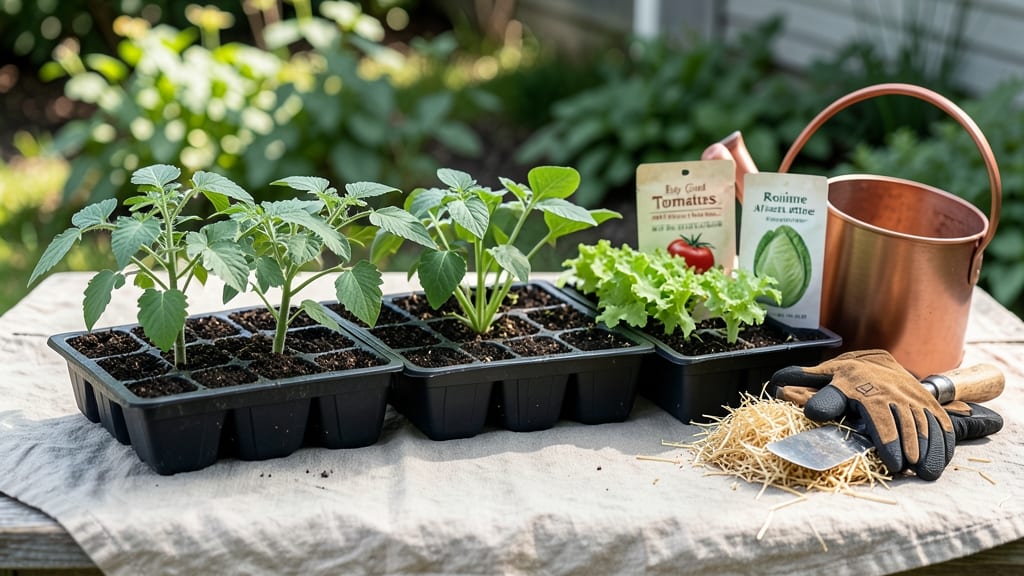
Timing when to plant a vegetable garden in NJ isn’t just about luck—it’s about understanding the 6a-7b zone’s quirks before the first frost sneaks in.
Whether you’re dreaming of crisp lettuce or juicy tomatoes, planting too early or too late can mean the difference between a bountiful harvest and a sad, wilted disappointment.
New Jersey’s unpredictable spring weather can throw off even the most seasoned gardeners, but the key is working with the mid-April to early June window for cool-season crops and late July to early September for warm-season favorites.
I’ll break down exactly when to start seeds, transplant seedlings, and avoid common mistakes that waste time and money.
From coastal microclimates in Zone 7A to inland valleys in Zone 6A, your location matters more than you think. Let’s dive into the exact planting schedule tailored to your corner of New Jersey so you can enjoy fresh veggies from your garden all season long.
Ready to turn your backyard into a thriving vegetable patch? I’ll walk you through the step-by-step process, including soil prep, frost dates, and how to extend your growing season—no guesswork required.
NJ planting calendar: exact start dates by vegetable type for zone 6A/7A
New Jersey’s two distinct growing seasons—spring and fall—mean you can grow almost year-round with the right timing. Cool-season crops like spinach and kale thrive in early spring and fall, while warm-season favorites like tomatoes and peppers need summer’s heat.
The key? Aligning your planting with average last frost dates (mid-April for most of NJ) and soil temperatures (at least 60°F for warm crops).
For Zone 6A (northern NJ, like Sussex County), aim to plant cool-season crops 4-6 weeks before your last frost—typically by March 15—while Zone 7A (southern NJ, like Cape May) can start slightly earlier.
Warm-season crops should wait 2-3 weeks after your last frost, usually May 1 or later. Fall planting works best from late July to early September, giving crops time to mature before first frost (early November).
Here’s your NJ-specific planting timeline, broken down by crop type and region. Use this as your roadmap to avoid frost damage or bolting (when plants flower too early).
🌱 NJ Planting Calendar by Crop Type
| Crop Type | Zone 6A (Northern NJ) | Zone 7A (Southern NJ) | Key Notes |
|---|---|---|---|
| Cool-Season Crops (Lettuce, Spinach, Kale) | March 15–April 15 August 15–September 15 |
March 1–April 1 August 1–September 10 |
Direct sow or transplant after frost risk passes. Use row covers for early starts. |
| Warm-Season Crops (Tomatoes, Peppers, Cucumbers) | May 15–June 1 | April 20–May 15 | Wait until soil is 60°F+. Start indoors 6–8 weeks before last frost. |
| Root Vegetables (Carrots, Beets, Radishes) | March 20–April 30 July 15–August 15 |
March 1–April 15 July 1–August 10 |
Sow directly; avoid transplanting to prevent bolting. Radishes mature quickly! |
| Legumes (Beans, Peas, Soybeans) | May 1–June 15 July 15–August 15 |
April 15–May 1 July 1–August 10 |
Peas tolerate light frost; beans need warm soil. Succession plant every 2 weeks. |
| Herbs (Basil, Cilantro, Parsley) | April 15–May 1 July 15–August 15 |
March 20–April 1 July 1–August 10 |
Basil hates frost; cilantro bolts in heat. Start parsley in spring or fall. |
📅 Pro Tip: Adjust dates 1–2 weeks earlier for Zone 7A or later for Zone 6A.
For Zone 6A gardeners, like those in Bergen or Morris County, err on the side of caution—late frosts can linger until May 10. Use row covers or a cold frame to extend your season.
In Zone 7A (e.g., Atlantic City or Camden), you can push warm-season crops like peppers and eggplants a few weeks earlier, but avoid planting before April 20 to dodge unexpected cold snaps.
One of my biggest mistakes early on was planting tomato seedlings too soon in Zone 6A. The late-May frost in 2022 wiped out my entire crop! Now, I wait until after May 15 and use black plastic mulch to warm the soil faster.
For fall planting, I prioritize fast-maturing varieties like ’Early Girl’ tomatoes or ’Quickfire’ beets to harvest before frost.
Don’t forget to test your soil temperature
How NJ microclimates affect your planting timeline (and how to adapt)
New Jersey’s Zone 6A/7A classification hides a secret: the state’s coastal vs. inland microclimates can shift your planting window by 2-3 weeks.
Coastal areas like Cape May (Zone 7A) enjoy warmer springs and longer growing seasons, while inland valleys like Sussex County (Zone 6A) face later frosts and shorter summers. Even a 10-mile difference can mean the difference between a thriving tomato plant and a frost-nipped disappointment.
Understanding these variations lets you adjust planting dates and extend your harvest. For example, southern NJ gardeners can plant warm-season crops like peppers 2 weeks earlier than their northern counterparts.
Meanwhile, urban heat islands in cities like Newark create microclimates where tomatoes ripen faster than in rural areas. The key is knowing your local frost dates and soil warming patterns.
Here’s how to adapt: Coastal gardeners can start warm-season seeds indoors by mid-March, while inland gardeners should wait until late March. For cool-season crops like spinach, coastal areas can plant as early as late February, but inland gardeners should wait until mid-March.
These adjustments ensure your plants thrive without risking frost damage.
| Microclimate | Last Frost Date | Warm-Season Start | Cool-Season End |
|---|---|---|---|
| Coastal (Zone 7A) | Mid-April | Early April (indoors) | Late October |
| Inland Valleys (Zone 6A) | Late April | Late March (indoors) | Early October |
| Urban Heat Islands | Early April | Late March (outdoors) | Mid-October |
To further extend your growing season, use row covers or cold frames to protect cool-season crops like broccoli or kale. These tools can push your harvest window 2-4 weeks later into fall.
For warm-season crops, black plastic mulch warms the soil faster, letting you plant tomatoes and peppers 1-2 weeks earlier in spring. I’ve even seen gardeners in northern NJ use hoop houses to grow winter greens like arugula until December!
Don’t overlook soil temperature—it’s just as critical as air temperature. Use a soil thermometer to ensure your soil is at least 60°F before planting warm-season crops. In cooler microclimates, this might mean waiting until late May for tomatoes, while coastal areas can plant by mid-April.
Test your soil’s readiness to avoid stunted growth or poor germination.
Pro tip: Observe your neighbors’ gardens—their plants are a living barometer for your microclimate. If their tomatoes are already ripening by early August, you’re likely in a warmer zone and can push your planting dates.
Conversely, if their peppers are still green in mid-September, you’re in a cooler area and should plan accordingly. Adjust your planting schedule based on these real-time clues.