
Planting
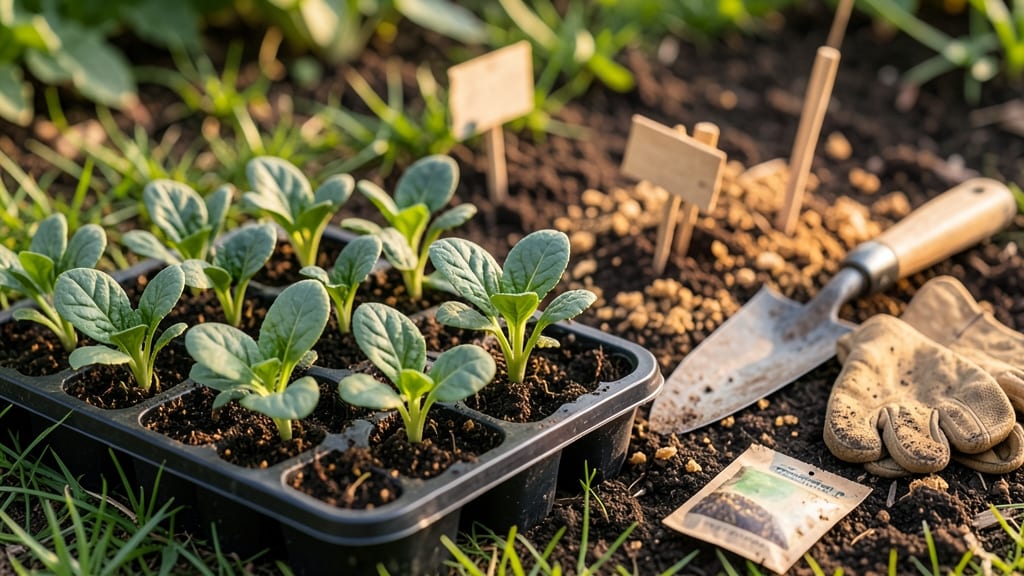
Timing when to plant a vegetable garden in Seattle isn’t just about following a calendar—it’s about outsmarting the Pacific Northwest’s notorious mood swings. Plant too early, and your lettuce bolts faster than you can say "rainy day." Too late, and your tomatoes never quite ripen before the chill sets in.
I’ve learned the hard way that Seattle’s microclimates—from the Puget Sound’s maritime chill to the Eastside’s urban heat islands—demand a custom approach.
Whether you’re a first-timer or a seasoned gardener, knowing when to pop those seeds in the ground (or transplant seedlings) can mean the difference between a bountiful harvest and a sad, wilted disappointment.
Let’s cut to the chase: The ideal window for cool-season crops like peas and kale opens in late March, while warm-season lovers like tomatoes and peppers need to wait until after the last frost—usually mid-April.
But here’s the kicker: Seattle’s weather loves to throw curveballs, so I’ll show you how to adjust for your specific corner of the city.
Ready to turn your backyard into a year-round edible oasis? Grab your gloves, and let’s dive into the exact planting schedule that’ll have your 🥬 vegetable garden thriving—no matter what Seattle throws at you.
Seattle’s microclimate planting zones: exact start dates by region
Seattle’s three distinct microclimates—Puget Sound, Eastside, and South Sound—each have unique last frost dates and first frost risks. These differences mean your kale might thrive in one zone while your tomatoes need a later start in another.
Understanding these nuances is key to avoiding bolting lettuce or frost-damaged seedlings.
For Puget Sound (including West Seattle and Bainbridge Island), the average last frost date is March 15, but urban heat islands can push this back to March 25. The first frost typically arrives October 15, though coastal areas may see frost earlier.
This zone’s cool maritime climate favors cool-season crops like peas and spinach but requires row covers for heat-lovers like peppers.
🌱 Seattle Microclimate Planting Guide
| Zone | Last Frost | First Frost | Ideal Planting Window | Best Crops |
|---|---|---|---|---|
| Puget Sound | March 15-25 | Oct 10-20 | Mar 25 - Apr 15 (spring) / Aug 1 - Sep 10 (fall) | Peas, Lettuce, Kale, Strawberries |
| Eastside | April 5-15 | Oct 5-15 | Apr 15 - May 1 (spring) / Aug 15 - Sep 5 (fall) | Tomatoes, Peppers, Basil, Corn |
| South Sound | March 20-30 | Oct 1-10 | Mar 30 - Apr 10 (spring) / Aug 5 - Sep 1 (fall) | Carrots, Beets, Green Beans, Zucchini |
The Eastside (Bellevue, Kirkland, Redmond) enjoys warmer temperatures due to its inland location, with a last frost date around April 10. This zone is perfect for heat-loving crops like tomatoes and peppers, but you’ll need to harden off seedlings carefully to avoid transplant shock.
The first frost here often hits October 10, giving you a slightly longer growing season.
In the South Sound (Tacoma, Olympia), the cooler maritime influence extends the spring planting window slightly later than Puget Sound. Start cool-season crops like carrots and beets as early as March 20, but wait until April 10 for warm-season crops like cucumbers.
The first frost here can arrive as early as October 1, so plan your fall planting by August 5 for a successful harvest.
For urban heat islands (like downtown Seattle or dense neighborhoods), soil can warm 2-3 weeks earlier than rural areas. Test your soil temperature with a soil thermometer—warm-season crops need soil at 50°F or above.
If your soil is still cold, opt for cold-hardy varieties or use black plastic mulch to warm it faster.
Pro tip: Use Seattle’s "10-10-10 Rule"—if your last frost is 10 days later than average, wait 10 days longer to plant heat-lovers like tomatoes. This simple adjustment can save your garden from early-season freezes.
Remember, microclimates matter! Even within a single neighborhood, a south-facing garden can be 5-10°F warmer than a north-facing spot. Use this to your advantage by planting heat-lovers in the warmest areas first.
How to adjust planting for Seattle’s unpredictable weather patterns
Seattle’s cool, wet springs and unpredictable Indian Summers demand flexibility. I’ve learned the hard way—planting tomatoes too early in March leads to leggy, weak seedlings, while waiting until June risks bolting greens. The key is layering strategies to extend seasons and protect tender crops.
Start with cold-hardy crops like spinach and peas in February under row covers. These can handle 32°F temps and give you an early harvest before last frost (typically March 15).
For heat-lovers like peppers and eggplants, wait until after May 15—when soil temps hit 60°F—and use black plastic mulch to warm the roots faster.
Here’s my go-to toolkit for Seattle’s quirks: floating row covers (for 30°F protection), cold frames (to start early spring seeds), and succession planting (sowing lettuce every 2 weeks for continuous harvests).
Even ‘Indian Summer’ false springs (like September 2022’s 80°F heatwave) can trick you—always check 10-day forecasts before planting warm-season crops.
🌱
For urban gardeners in heat islands (like South Lake Union), plant shade-tolerant crops like Swiss chard or bush beans near buildings where pavement heat lingers. I’ve had tomatoes ripen 2 weeks earlier in raised beds with straw mulch—the insulation helps regulate temps.
Pro tip: Keep a planting journal to track Seattle-specific deadlines. Note when your last frost occurs (mine was April 3 in 2023, later than average) and adjust warm-season starts accordingly. With these tweaks, you’ll beat Seattle’s weather whiplash and enjoy homegrown veggies year-round.
✂️