
Plants
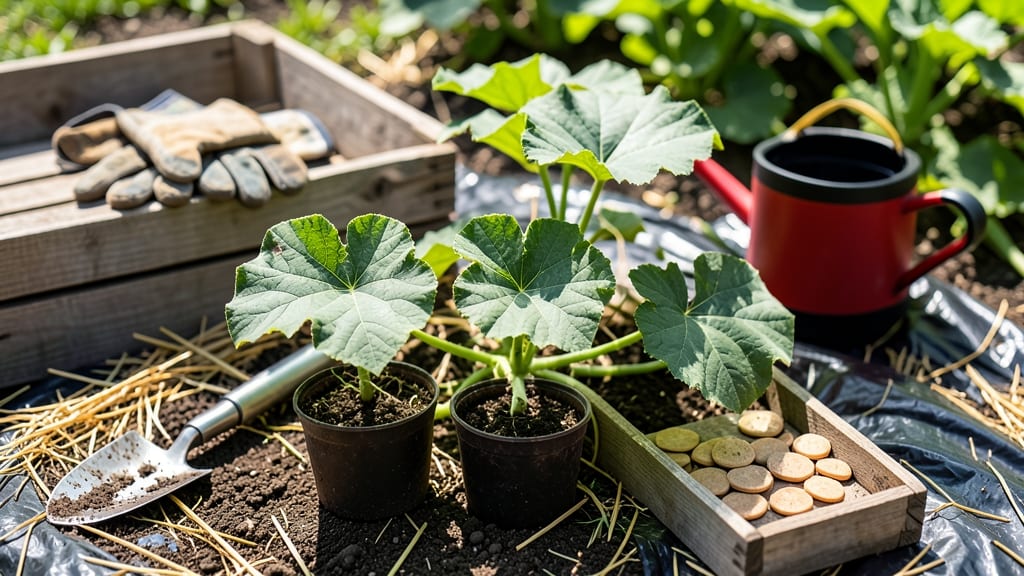
Planting acorn squash 🎃 in Texas isn’t just about timing—it’s about outsmarting the heat and unpredictable weather that can turn your garden dreams into a bust.
Too early, and your seedlings will wilt under 100°F soil; too late, and you’ll miss that perfect fall harvest window when the flavor is at its peak.
I’ve grown acorn squash in USDA Zones 8a-11 for years, and the key is knowing the exact 30-day windows that work for your region—whether you’re in North Texas’s cooler springs or South Texas’s relentless summers.
Skip the guesswork, and you’ll go from struggling with bolted plants to enjoying a bounty of sweet, nutty squash that rivals any store-bought variety.
What if I told you there’s a two-season strategy that lets you harvest twice a year? The secret lies in planting at the right time—mid-March to early July for fall crops, or late July to mid-August for winter harvests in warmer zones.
Let’s break down the exact months, soil prep tricks, and heat-resistant varieties that’ll make your Texas garden thrive.
You’ll leave here knowing not just when to plant, but how to give your acorn squash the best shot at success—even when Texas decides to throw a heatwave your way. Ready to turn your garden into a squash powerhouse?
Best months to plant acorn squash in Texas (by region & heat zones)
Texas’ diverse climate zones mean your acorn squash planting schedule should change depending on whether you’re in North Texas’ cooler hills or South Texas’ tropical heat. The key is avoiding summer’s scorching temperatures (above 90°F) while maximizing your fall harvest window before the first frost.
Let’s break it down by region so you can plan like a pro.
For North Texas (Zones 7-8), your last frost typically hits by mid-March, but soil warms slowly. This means you’ll want to start seeds indoors by late February or direct-sow after April 15 once nighttime temps stay above 55°F.
The goal? Beat the July-August heatwave and harvest before November’s early frosts.
In Central Texas (Zones 8-9), you’ve got more flexibility. You can direct-sow seeds from March 1 to April 15 for a fall crop, or try a late-summer escape by planting July 15 to August 1 for a winter harvest (yes, acorn squash can survive mild winters here!).
Just be ready to cover plants with frost cloth if temps dip below 30°F.
South Texas (Zone 10) gardeners have the easiest time—you can plant year-round with minimal frost risk! Focus on September to November plantings for a winter-to-spring harvest, or February to April for a summer crop (though you’ll need shade cloth to protect young plants from intense sun).
| Region | Best Planting Window | Harvest Window | Key Tips |
|---|---|---|---|
| North Texas (Zones 7-8) | Late Feb (indoors) or April 15 (direct sow) | October - November | Use black plastic mulch to warm soil; avoid planting after June 1. |
| Central Texas (Zones 8-9) | March 1 - April 15 OR July 15 - Aug 1 | October - December OR Feb - April | Try succession planting; protect with frost cloth if needed. |
| South Texas (Zone 10) | September - November OR February - April | December - March OR June - August | Use shade cloth for summer plantings; year-round growing possible. |
Pro tip: Soil temperature matters more than air temperature for acorn squash. Use a soil thermometer to confirm it’s at least 60°F before planting—cold soil delays germination and invites rot. In North Texas, this often means waiting until mid-April even if frost risk has passed.
If you’re transplanting seedlings (bought from a nursery), harden them off for 7-10 days before moving them outdoors. Acorn squash hates root disturbance, so opt for container-grown seedlings or start your own from seed to avoid shock.
For direct sowing, plant 2-3 seeds per hill, 1 inch deep, and thin to the strongest seedling once leaves appear.
For a second harvest, try the late-summer escape method: plant seeds July 15 to August 1 in Central/South Texas. These squash will mature just as cool weather arrives, giving you a winter crop when most gardens are dormant.
Just be prepared to water deeply as summer winds down—this is when many gardeners see blossom-end rot from inconsistent moisture.
Remember: Acorn squash needs space. Give vines 3-4 feet of diameter and rows 4-5 feet apart to prevent powdery mildew (a common Texas issue). If space is tight, choose bush varieties like 'Table Queen', which stay more compact.
Finally, mark your calendar for harvest time: aim to pick squash before the first frost (typically November 15 in North Texas, December 1 in Central Texas, and rarely before March in South Texas).
A hard rind and deep color mean it’s ready—don’t wait too long, or you’ll lose flavor and storage quality.
Best months to plant acorn squash in Texas (by region & heat zones)
Texas isn’t one-size-fits-all when it comes to acorn squash 🎃—your planting window depends on whether you’re in North Texas’s cooler springs, Central Texas’s long summers, or South Texas’s tropical heat.
I’ve grown squash across all three regions, and the difference between a thriving crop and a failed experiment often comes down to soil temperature and heat stress timing.
For example, in Zone 8a (North Texas), you can start seeds as early as mid-March, while Zone 10 (South Texas) demands a late July start to avoid summer’s brutal peak.
The golden rule? Wait until soil temps hit 60°F—any earlier, and your seeds will rot. Use a soil thermometer (they’re cheap and lifesavers) to check before planting. I’ve seen gardeners in Central Texas rush their spring planting only to watch seedlings collapse when soil spikes to 90°F by May.
The key is timing your transplant to align with fall’s cooler months when the squash can mature without wilting.
Here’s the exact planting schedule broken down by region, including direct sowing (seeds in the ground) vs. transplanting (seedlings from nurseries). South Texas gardeners, take note—your second planting window in late summer is your secret weapon for a winter harvest!
| Region | USDA Zone | Direct Sowing Window | Transplant Window | Harvest Time | Key Tip |
|---|---|---|---|---|---|
| North Texas | 7-8 | Mid-March to early April | Late April to mid-May | October - November | Use black plastic mulch to warm soil faster. |
| Central Texas | 8-9 | Late March to early May | Mid-May to early June | September - October | Plant near shade trees to escape afternoon heat. |
| South Texas | 10 | Late July to mid-August | Mid-August to early September | February - March | Use shade cloth for seedlings until established. |
For North Texas gardeners, your mid-March to early April window is critical—plant too early, and you’ll face soilborne diseases from cool, wet springs.
I’ve found that transplanting seedlings in late April gives them a head start before the heat ramps up. Central Texas is trickier: direct sowing in late March risks bolting (premature flowering), so I recommend transplanting in May when nights stay above 65°F.
Meanwhile, South Texas’s late July start is your only shot at a winter harvest—any earlier, and the 100°F+ soil will fry your seeds.
Pro tip: Avoid planting during Texas’ "dog days" (mid-July to early August). The combination of heat and humidity creates the perfect storm for powdery mildew and squash vine borers. Instead, aim for early morning planting when temps are cooler, and water deeply right after to settle the soil.
I’ve also had success using drip irrigation to keep leaves dry—a must in Texas’s muggy summers.
One mistake I see often? Gardeners in cooler microclimates (like the Hill Country) trying to stretch their season too long. If you’re in Zone 8a, don’t plant after early July—your squash won’t mature before frost.
Instead, focus on heat-tolerant varieties (we’ll cover those next) and mulch heavily to retain moisture. The goal is 90 days of growth without stress, and Texas’ heat makes that a moving target.
Ready to put this into action? Grab your soil thermometer, mark your calendar for your region’s window, and start your seeds indoors 3-4 weeks early if you’re transplanting.
With this schedule, you’ll be feasting on homegrown acorn squash 🎃 long after your neighbors are still buying store-bought—and none of that sad, mealy grocery-store squash!