
Plants
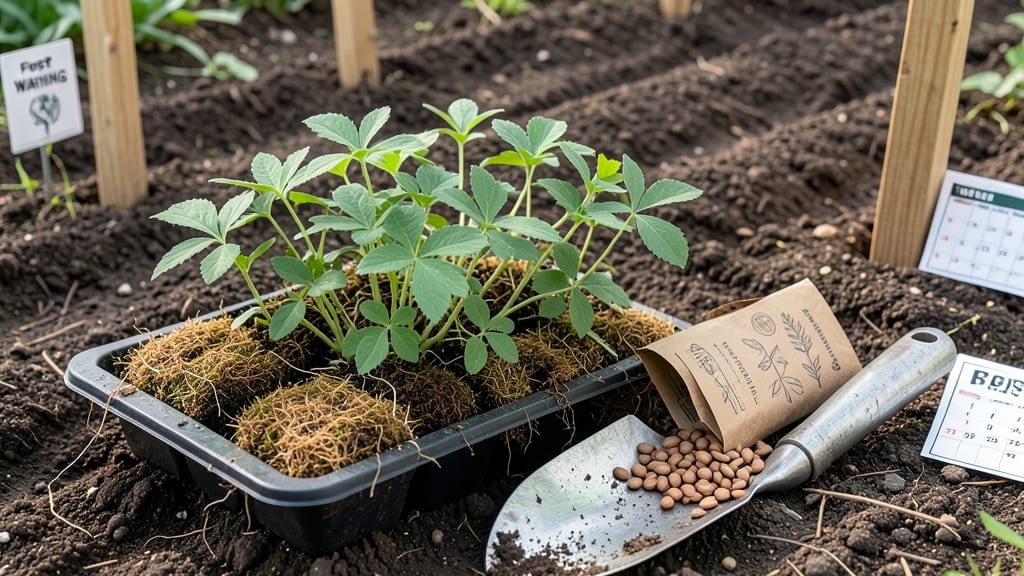
Timing your alfalfa planting in spring isn't just about throwing seeds into the dirt—it's about catching that sweet spot between frost and heat where roots can establish fast and strong.
Plant too early, and a late frost will wipe out your seedlings before they even sprout. Too late, and summer drought will stunt growth before your crop matures.
I've seen firsthand how precise timing makes all the difference—especially in USDA Zone 6a, where cool springs can turn into scorching summers in a flash. The key is planting alfalfa 🌱 when soil temperatures hit 50°F and the last frost date has passed, typically between early and mid-spring.
But there's more to it than just dates.
You'll want to prep your soil with the right pH and organic matter to support those deep roots, and some varieties handle early planting better than others. Let me walk you through the exact steps to time your planting for maximum yield, plus how to adjust for your specific climate.
By the end, you'll know exactly when to plant, how to prepare your soil, and which alfalfa types will give you the fastest growth—no guesswork involved. Let's get those seeds in the ground at the perfect moment.
Ideal spring planting windows for alfalfa by USDA hardiness zones
Alfalfa’s success hinges on planting at the right time—too early and frost zaps seedlings, too late and summer drought stifles growth. The ideal window depends on your USDA hardiness zone, soil temperature, and last frost dates.
Let’s break it down by region to help you pinpoint the perfect moment for alfalfa seeds to thrive.
For most gardeners, the spring planting window opens when daytime temperatures consistently reach 50°F and nighttime temps stay above 40°F. This typically falls between late March and mid-April in warmer zones (7-10), but shifts to April to early May in colder regions (3-6).
Always check your local frost-free date—planting 2-3 weeks after this date minimizes frost risk.
Here’s how to calculate your exact planting window: Subtract 14 days from your last frost date (e.g., if frost ends May 1, aim for April 15). For zones 3-5, wait until soil warms to 50°F at 2-inch depth—use a soil thermometer for precision.
In zones 6-10, you can plant slightly earlier, but avoid soggy soils to prevent rot.
Regional adjustments matter: In the Pacific Northwest, plant late April to early May to dodge late frosts. Southern states (zones 8-10) can start as early as February, but prioritize well-draining soil to prevent waterlogging.
Coastal areas with mild winters may extend the window into early June, but yields suffer in summer heat.
Pro tip: Use a frost risk calculator (like the Old Farmer’s Almanac) to refine your timeline. Input your zip code for hyper-local frost predictions—this accounts for microclimates where your garden might be warmer or colder than the zone average.
For example, a zone 6 garden near a lake could plant 1 week earlier than inland areas.
Soil temperature is non-negotiable: Alfalfa seeds won’t germinate below 40°F, and growth stalls under 50°F. Test your soil with a thermometer (or press your finger in—if it feels cold, wait).
In cooler zones, opt for cold-hardy varieties like ‘Moapa’ or ‘Ladak’ to shave 1-2 weeks off your planting window.
| USDA Zone | Ideal Planting Window | Soil Temp Threshold (°F) | Regional Adjustments | Risk Factors | |||||||||||||||||||
|---|---|---|---|---|---|---|---|---|---|---|---|---|---|---|---|---|---|---|---|---|---|---|---|
| 3-4 | May 1-15 | 50°F+ | Wait for soil to warm; use black plastic mulch | Late frosts, slow germination | |||||||||||||||||||
| 5-6 | April 15-May 1 | 45°F+ | Plant after last frost; use row covers | Frost pockets in valleys | |||||||||||||||||||
| 7-8 | March 15-April 15 | 40°F+ | Early planting; mulch to retain moisture | Summer drought stress | |||||||||||||||||||
| 9-10 | February-March | 35°F+ |
Ideal spring planting windows for alfalfa by USDA hardiness zonesAlfalfa’s success hinges on planting it when soil temperatures hover between 40°F and 50°F—too cold, and seeds rot; too warm, and they dry out. Since alfalfa thrives in cool spring weather, timing varies dramatically by USDA hardiness zone. In Zones 3-5, aim for early April, while Zones 6-7 can start as early as late March. Always wait until 2 weeks after the last frost date to avoid seedling damage. Your local frost-free date is your best guide, but soil temperature matters more. Use a soil thermometer to confirm readiness—plant only when readings consistently exceed 50°F for 3+ days. In the Pacific Northwest, this often means waiting until May, while Southern states like Texas can plant as early as February. Regional microclimates (like urban heat islands) can shift these windows by 2-3 weeks. 🌱 Alfalfa Planting Windows by USDA Zone
Note: Adjust for high-elevation areas (add 1-2 weeks) or coastal regions (subtract 1 week). For Pacific Northwest gardeners, prioritize planting after April 15 to avoid late spring frosts, which can devastate young seedlings. In contrast, Southern states like Florida or Georgia can start as early as February 1, but watch for drought conditions—alfalfa needs consistent moisture to germinate. If your area experiences unpredictable weather, use row covers to protect seedlings until they reach 4 inches tall. Pro tip: Plant alfalfa in succession every 2 weeks through May to stagger harvests. This extends your growing season and ensures a steady supply of nitrogen-rich forage. Pair it with clover or grasses to improve soil structure and reduce weed competition. Just avoid planting near potatoes or tomatoes, as alfalfa competes for nutrients and can stunt their growth. If you’re in a transition zone (like Zone 6b), err on the side of later planting. Alfalfa’s deep roots (10-15 feet) need time to establish before summer heat sets in. Delaying until mid-April gives seedlings a 30% better survival rate in marginal climates. Always test your soil’s phosphorus levels—alfalfa demands 100+ ppm for strong root development. For a risk-free approach, start seeds indoors 4-6 weeks before your last frost date and transplant seedlings when soil warms. This buys you 2-3 weeks of flexibility in unpredictable climates. Just harden off seedlings for 7-10 days before moving them outside to prevent transplant shock. Pair this with mulching to retain moisture and regulate soil temperature—critical for alfalfa’s deep-rooted success. |