
Plants
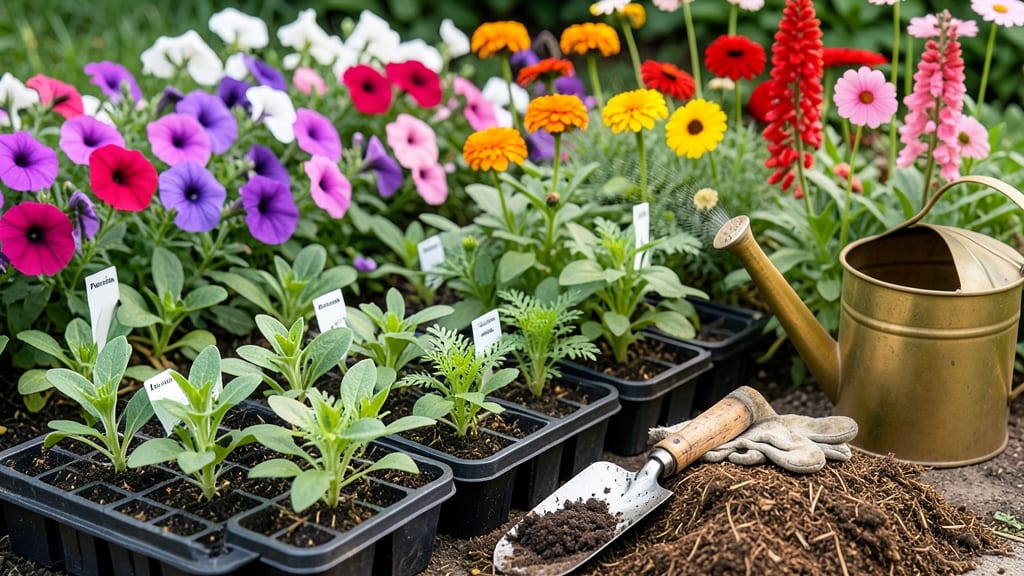
Timing your annuals planting in Colorado can mean the difference between a vibrant garden and a sad, wilted disappointment. With frost dates that vary wildly from the Front Range to the Western Slope, getting it right is key to enjoying those 🌸 blooms from spring through fall.
Most Colorado gardeners wait until after the last frost—typically around April 15 in lower elevations—but high-altitude areas may need to wait until May. The secret? Monitoring soil temperatures and understanding your microclimate, because what works in Denver might fail in Grand Junction.
In this guide, I’ll break down the exact windows for planting heat-loving annuals like zinnias and marigolds, plus cool-season favorites that thrive in Colorado’s shorter growing season. You’ll also learn how to extend your blooms with staggered plantings and simple tricks to protect young plants from late frosts.
Whether you’re a first-time gardener or a seasoned pro, these insights will help you avoid common mistakes and create a garden that stays beautiful from late spring to fall. Let’s get those annuals in the ground the right way!
Colorado planting zones & microclimate deadlines for annual flowers
Colorado’s diverse elevations and microclimates create unique challenges for annual flowers. While Denver’s USDA Zone 5b might signal spring planting in early May, the Western Slope’s Zone 6b could safely plant marigolds weeks earlier.
Understanding these differences is key to avoiding frost damage or wasted effort on plants that won’t thrive.
Most Colorado gardeners focus on last frost dates, but soil temperature matters just as much. Cool-season annuals like pansies tolerate 40°F soil, while heat lovers like zinnias need 55°F+.
Below, we’ll break down planting windows by region, including Front Range, Western Slope, and Eastern Plains, with specific deadlines for your favorite annuals.
| Region | USDA Zone | Last Frost Date | First Frost Date | Ideal Planting Window | Heat-Loving Annuals | Cool-Season Annuals |
|---|---|---|---|---|---|---|
| Front Range (Denver) | Zone 5b | April 15–May 1 | October 15–20 | May 10–June 15 | Zinnias, Marigolds, Petunias | Pansies, Snapdragons, Sweet Alyssum |
| Western Slope (Grand Junction) | Zone 6b | March 20–April 5 | October 30–November 5 | April 10–May 30 | Geraniums, Cosmos, Sunflowers | Calendula, Stock, Violas |
| Eastern Plains (Pueblo) | Zone 5a | April 20–May 5 | October 5–10 | May 15–June 10 | Portulaca, Lantana, Verbena | Lobelia, Primrose, Stock |
For high-altitude gardens (6,000+ ft), like those in Boulder or Aspen, push planting back to mid-May. These areas experience later frosts, and soil warms slowly. Use a soil thermometer to confirm 50°F+ before planting heat lovers like geraniums or zinnias, which won’t tolerate cold soil.
In drier climates, such as the Western Slope, prioritize drought-tolerant annuals like portulaca or lantana. These thrive with minimal watering once established, while petunias or impatiens may struggle without consistent moisture. Always mulch to retain soil moisture and regulate temperature.
Pro tip: Stagger your plantings by 2–3 weeks to extend bloom time. For example, plant marigolds in early May and again in late June for continuous color through fall. This works especially well for cool-season annuals like pansies, which you can sow in late summer for fall/winter blooms.
Colorado’s first frost typically arrives in mid-October, but microclimates near bodies of water or urban heat islands can delay it by weeks. Monitor local forecasts and use row covers to protect late-season plantings like cosmos or sunflowers until the first hard frost.
If you’re unsure about your exact last frost date, check the Colorado State University Extension or local nursery for hyper-local advice. Many nurseries provide free frost date calendars tailored to your ZIP code, which can save your annuals from frost damage.
Remember: Soil temperature is just as critical as air temperature. A soil thermometer (available for $10–$
How to extend your annual blooms: staggered planting & succession tips
Colorado’s short growing season doesn’t mean your annual flowers have to fade early. The trick is staggered planting—a simple strategy that keeps your garden vibrant from spring to frost. By planting in successive waves, you ensure continuous blooms instead of a single burst followed by bare soil.
Start with cool-season annuals like pansies and snapdragons in early spring (March-April). These tough varieties handle light frosts and give you color when many other plants are still dormant. Then, transition to heat-loving annuals like zinnias and marigolds after your area’s last frost date.
Here’s how I extend my garden’s season by 3-4 months using these techniques:
- 🌱 Early Spring Planting: Start cool-season annuals like pansies and sweet alyssum in March (Zone 5) or April (Zone 6-7). Use row covers to protect from late frosts.
- 🌞 Memorial Day Replant: After May 30, swap out frost-sensitive plants with heat lovers like zinnias and celosia. These thrive in Colorado’s summer heat.
- 🌿 Late Summer Refresh: In August, replant cosmos or sunflowers for a late-season burst. These handle cooler temps better than spring plantings.
- 🍂 Fall Pansies: Plant pansies again in early September for fall and winter color. They bloom until first frost and often return the next year.
- 🛡️ Frost Protection: Use row covers or cloche tunnels to extend early/late plantings by 2-3 weeks. Remove during the day for pollinators.
Another pro tip? Succession planting works wonders for vegetable-loving annuals too. For example, sow bush beans every 2 weeks from May to July. This ensures a steady harvest instead of one big crop followed by empty rows.
Don’t forget to monitor soil temperatures—most annuals need soil at least 50°F to thrive. Use a soil thermometer to time your plantings perfectly. With these strategies, your garden will stay bursting with color from spring to frost!
For high-altitude areas like Denver or Boulder, adjust timings by 2-3 weeks later than the Front Range. Western Slope gardeners can start 1-2 weeks earlier thanks to warmer microclimates.