
Plants
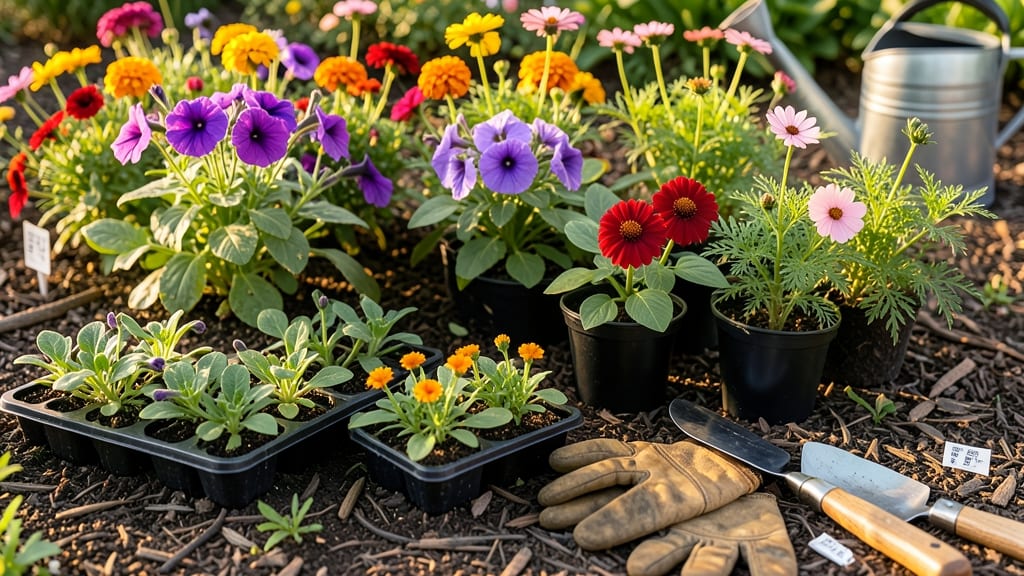
When to plant annuals in Ohio perfectly can mean the difference between a garden bursting with color and one that struggles to take off. With Ohio’s Zone 6a climate, knowing when to plant—whether you’re sowing seeds or transplanting seedlings—is critical to beating frost and maximizing your growing season.
You’ve probably heard the rule of thumb: wait until after the last frost date, but Ohio’s unpredictable spring weather makes that tricky.
That’s why I’ve broken down the exact weeks to plant your 🌸 annuals—from cool-loving pansies in early spring to heat-tolerant tomatoes in late May—so you can avoid common mistakes and enjoy blooms from spring through fall.
Whether you’re a first-time gardener or a seasoned pro, this guide will help you adjust for Ohio’s microclimates, from the cooler north to the slightly warmer south.
We’ll cover everything from starting seeds indoors to direct sowing outdoors, so you can confidently plant your annuals at the perfect time—no more guessing games.
Ready to transform your garden into a vibrant oasis? Let’s dive into the week-by-week planting schedule that will give your annuals the best possible start—and keep them thriving all season long.
Ohio annual planting calendar: week-by-week zones 5-6 guide
Ohio’s USDA Zones 5-6 offer a 165-day frost-free season, but timing your annuals correctly means the difference between vibrant blooms and wilted disappointment.
The last average frost date in most of Ohio falls around April 15, but microclimates—like urban heat islands or valley bottoms—can shift this by 1-2 weeks. Plan ahead using this week-by-week guide to align your planting with Ohio’s cool-season and warm-season windows.
For cool-season annuals like pansies, lettuce, and spinach, you can start as early as late February to early March under row covers or in a greenhouse. These hardy plants tolerate light frosts and even thrive when soil temps hit 40°F.
Meanwhile, warm-season favorites like tomatoes, peppers, and marigolds need to wait until after the last frost, when soil temps consistently reach 60°F or warmer.
🌱
📅 Ohio Annual Planting Timeline (Zones 5-6)
| Month | Cool-Season Annuals (Direct Sow) | Warm-Season Annuals (Start Indoors) | Warm-Season Annuals (Direct Sow) |
|---|---|---|---|
| March | Pansies, Lettuce, Spinach, Peas | Tomatoes, Peppers, Eggplants (6-8 weeks before last frost) | None |
| April | Radishes, Kale, Swiss Chard, Arugula | Basil, Cucumbers, Zucchini (4-6 weeks before last frost) | Basil, Beans (after last frost) |
| May | None (transition to warm-season) | Marigolds, Petunias, Geraniums (4 weeks before transplant) | Tomatoes, Peppers, Cucumbers (after last frost) |
| June | N/A | Succession plant: Lettuce, Spinach (for fall harvest) | Beans, Corn, Sunflowers |
| July-August | N/A | N/A | Succession plant: Bush Beans, Zinnias |
💡 Pro Tip: Use row covers to extend cool-season planting by 2-3 weeks in early spring or late fall.
Northern Ohio (Zone 5) tends to have earlier frosts and cooler soils, so adjust your timeline by 1-2 weeks later than the averages above. For example, if your last frost is May 1 instead of April 15, delay warm-season planting until mid-May.
Southern Ohio (Zone 6) can push warm-season crops like tomatoes and peppers a bit earlier, sometimes as soon as late April.
Don’t overlook succession planting—this is key to maximizing your Ohio garden’s productivity. For instance, after harvesting your early spring lettuce, replant with warm-season varieties like bush beans or basil in late May.
Similarly, sow cool-season crops like spinach or radishes in late July for a fall harvest before the first frost hits in mid-October.
For container gardening, warm up soil faster by placing pots on black plastic mulch or using heat mats to jumpstart warm-season plants like peppers and eggplants. These methods can shave off 1-2 weeks from your planting timeline, giving you an edge in Ohio’s short growing season.
🌿
Track your local frost dates using the Old Farmer’s Almanac or your county’s Cooperative Extension Service for hyper-local adjustments. For example, Cleveland (Zone 5b) might see its last frost on April 22, while Columbus (Zone 6a) averages April 15.
These small differences add up when planning your annual garden layout.
Finally, always check seed packet instructions for specific days to maturity. For instance, <
How to adjust planting dates for Ohio’s unpredictable weather
Ohio’s spring weather is famously fickle—one day it’s 70°F, the next you’re shivering through a surprise frost. If you’ve ever planted too early and lost seedlings to a late freeze, you know how frustrating this can be.
The key to success? Flexible planting dates that account for Ohio’s Zone 5-6 microclimates, from the cooler hills of Appalachia to the slightly warmer valleys near the Ohio River.
Even the average last frost date (around April 15 in most of Ohio) isn’t set in stone. That’s why I adjust my planting timeline based on weekly forecasts and local observations.
For example, if your area hasn’t hit 50°F by mid-April, hold off on planting heat-lovers like tomatoes or peppers—they’ll sulk in cool soil. Instead, focus on cool-season annuals like lettuce or pansies that can handle lighter frosts.
🌱 Pro Tip: Use a frost clock (like the Old Farmer’s Almanac) or sign up for your local Cooperative Extension Service alerts. They provide real-time updates on frost risks, so you’re never caught off guard.
In Northern Ohio (Zone 5), you might need to wait until late May for warm-season crops, while Southern Ohio (Zone 6) can often plant by early May.
Here’s how I protect early plantings when the forecast calls for frost: I use floating row covers or mini hoop tunnels to shield tender seedlings. These lightweight fabrics trap heat and can raise soil temperatures by 5-10°F, giving your plants a fighting chance.
For example, I’ve successfully planted marigolds and zinnias as early as mid-April under row covers, then removed them once nighttime temps stayed above 40°F.
⚠️ Callout Warning: Late Frost Risks
Ohio’s Zone 5-6 areas can experience late frosts as late as mid-May, especially in low-lying areas. If you plant warm-season annuals like basil or cucumbers too early, a single frost can set them back weeks—or kill them outright.
🌡️ Solution: Wait until soil temps hit 60°F+ (use a soil thermometer!) and nighttime lows are reliably above 50°F for at least 5 days. For extra safety, start seeds indoors 4-6 weeks before your target outdoor date.
Another trick I swear by is succession planting. Instead of sowing all your bush beans or radishes at once, stagger plantings every 2 weeks through June. This ensures a steady harvest and minimizes losses if one batch gets hit by unexpected cold.
For example, I plant a batch of cosmos every 3 weeks from May through July—this way, I always have blooms, even if an early frost nips the first flush.
Don’t forget about container gardening as a backup plan. Pots warm up faster than garden beds and can be moved to sheltered spots if frost is forecasted.
I keep my herbs like basil and cilantro in containers so I can roll them under a porch or into a garage overnight if needed. Plus, containers let you adjust planting times based on your microclimate—like placing heat-lovers near a sunny brick wall to extend the season.
Finally, keep a gardening journal to track your local patterns. Note which years had early frosts, which crops thrived with early starts, and which struggled. Over time, you’ll spot trends—like how your backyard might be 1-2 weeks later than the average frost date.
Armed with this data, you’ll plant with confidence, even when Mother Nature throws curveballs. 🌿