
Plants
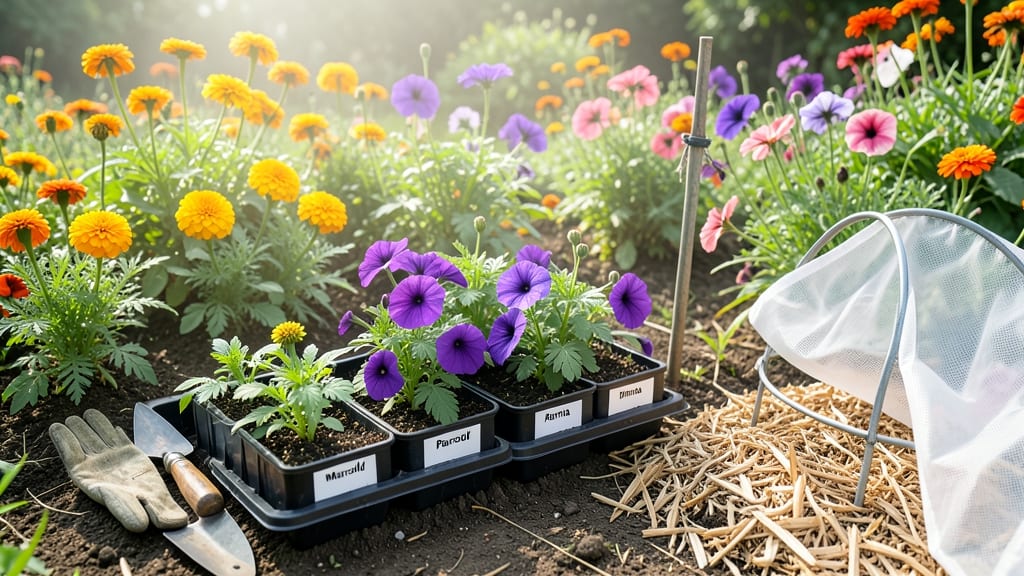
If you’ve ever watched your annuals 🌸 wilt because you planted them too early—or missed the window entirely—you know timing makes all the difference in Zone 5.
The average last frost date of April 15 isn’t just a number; it’s the dividing line between a thriving garden and a sad, half-dead one.
But here’s the thing: not all annuals play by the same rules. Cool-season crops like lettuce and peas can handle early planting, while heat-lovers like tomatoes and marigolds need warmer soil to take off. Getting this wrong means wasted seeds, frustrated gardeners, and missed harvests.
I’ve spent years perfecting the schedule for Zone 5 gardens, and the secret isn’t just about dates—it’s about soil temperature, microclimates, and even the type of annual you’re growing. Whether you’re a first-time gardener or a seasoned pro, these insights will help you plant with confidence.
Ready to transform your garden from “meh” to “wow”? Let’s break down the exact weeks before last frost for every type of annual—plus how to adjust for your specific corner of Zone 5. Your future blooms (and veggies) will thank you.
Exact weeks before last frost to plant annuals in Zone 5 by type
In Zone 5, the average last frost date is April 15, but this can vary by 2-3 weeks depending on your exact location.
For most annual flowers and vegetables, timing is critical—plant too early, and frost will kill tender seedlings; too late, and your plants won’t mature before winter. The key is understanding weeks before last frost for each type.
Cool-season annuals like lettuce and spinach can handle light frost, while tomatoes and marigolds need warm soil to thrive. Here’s your Zone 5 planting timeline broken down by type, with exact weeks before frost for optimal success.
| Plant Type | Weeks Before Last Frost | Soil Temp Requirement | Notes |
|---|---|---|---|
| Cool-Season Veggies (Lettuce, Spinach, Peas) | 6-8 weeks | 40-50°F (4-10°C) | Can tolerate light frost; sow early. |
| Warm-Season Veggies (Tomatoes, Peppers, Cucumbers) | 2-4 weeks | 60°F+ (15°C+) | Wait until soil is warm; use row covers if needed. |
| Annual Flowers (Marigolds, Petunias, Zinnias) | 2-4 weeks | 50°F+ (10°C+) | Direct sow after frost; harden off seedlings. |
| Herbs (Basil, Cilantro, Dill) | 3-5 weeks | 55°F+ (13°C+) | Basil needs warmth; cilantro bolts in heat. |
| Fast-Growing Annuals (Bush Beans, Cosmos, Sunflowers) | 1-2 weeks (or after frost) | 50°F+ (10°C+) | Tolerate cooler temps; great for late plantings. |
For cool-season crops, start seeds 6-8 weeks before last frost (early March) indoors or in a cold frame. These hardy plants can handle light frost and even thrive in cooler temps, making them ideal for early spring plantings.
Warm-season annuals like tomatoes and peppers need to wait until 2-4 weeks before last frost (early April) when soil temperatures are consistently above 60°F (15°C). Use row covers or a mini greenhouse to extend your season if needed.
If you’re planting annual flowers like marigolds or petunias, aim for 2-4 weeks before last frost. These plants prefer warmer soil but can handle a brief cold snap once established. For herbs, basil needs warmth, while cilantro bolts in heat—time your plantings accordingly.
Pro tip: Use a soil thermometer to check temperatures before planting. Most annuals need soil at least 50°F (10°C) to germinate properly. If your soil is still cold, wait a few more weeks or use black plastic mulch to warm it faster.
For fall plantings, aim to sow annuals 4-6 weeks before your first frost (early September in Zone 5). Fast growers like cosmos and bush beans can still thrive with a shortened growing season, giving you late-summer color and harvests.
Remember, Zone 5 has a 165-day frost-free season, so plan accordingly. Start with cool-season crops in early spring, transition to warm-season plants after frost, and finish with fast-growing annuals in late summer for a continuous harvest.
How to adjust planting times for Zone 5 microclimates and frost variations
Zone 5’s 165 frost-free days can feel like a tight squeeze, but your local microclimate might actually give you an extra 2–4 weeks of growing time—or take them away. If you’ve ever planted tomatoes in your backyard only to watch them wilt while your neighbor’s thrived, blame your microclimate.
Microclimates—like urban heat islands, south-facing slopes, or low-lying areas—can shift your last frost date by weeks. For example, a city garden might warm up 1–2 weeks earlier than rural areas, while a north-facing yard could delay spring planting by 3 weeks.
Ignoring these variations means missed opportunities for longer harvests or wasted seeds.
Here’s how to tweak your planting schedule based on your specific conditions. Start by tracking your local frost dates for 3–5 years—your garden’s history is the best predictor of success.
Use a minimum thermometer to confirm frost dates in your microclimate, especially if you’re in a transitional area like the northern edge of Zone 5.
Watch Out for These Microclimate Pitfalls
• Urban heat islands can push last frost dates 1–2 weeks earlier—but also make summer soil too hot for seedlings. Use shade cloth if planting early.
• Low-lying areas hold cold air longer, delaying spring planting by 1–3 weeks. Avoid planting warm-season crops until soil warms to 60°F+.
• South-facing slopes warm up faster—ideal for early plantings of heat-loving annuals like peppers or marigolds.
• Wind-exposed spots dry out faster and get colder at night. Use windbreaks or row covers to protect tender seedlings.
If you live in an area with late frosts (like northern Indiana or upstate New York), consider staggered plantings. For example, sow bush beans in 3 batches: the first on May 1, the second 2 weeks later, and the third 1 week after that.
This ensures a continuous harvest even if an unexpected frost hits.
For elevated areas or rocky soil, warm up the ground faster by covering it with black plastic mulch 2–3 weeks before planting. This can add 5–10°F to soil temperature, helping warm-season annuals like tomatoes and cucumbers germinate earlier. Just remove the plastic once seedlings emerge to avoid overheating.
Pro tip: Use row covers or cold frames to extend your planting window by 3–4 weeks in spring or fall. These protect tender annuals like basil or cosmos from late frosts, giving you a head start—or a late-season boost.
Just remove covers when temps rise above 75°F to avoid heat stress.