
Plants
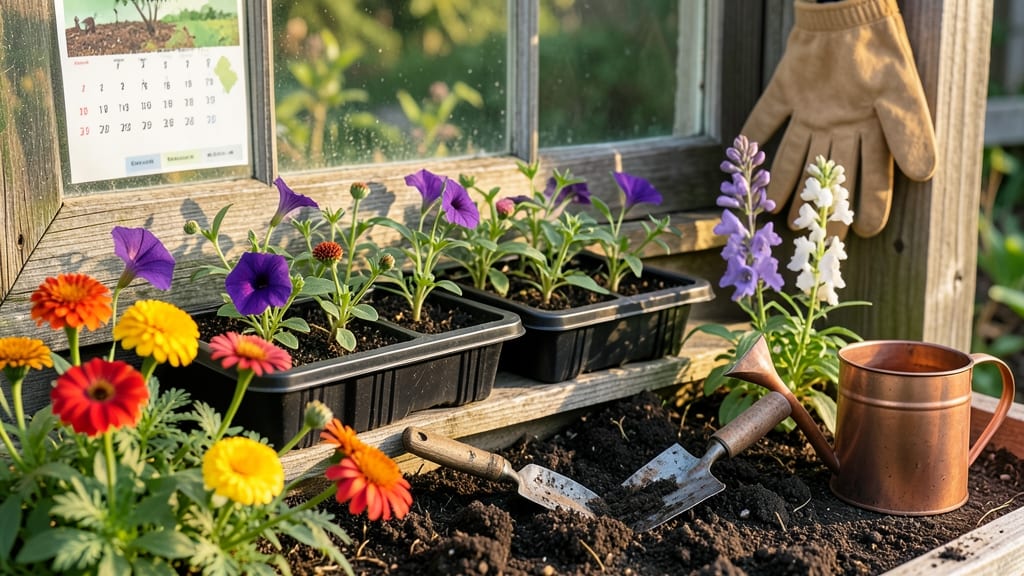
Knowing when to plant annuals in Zone 6 can mean the difference between a garden bursting with 🌸 vibrant blooms and one that struggles to take off. The last frost date—typically around April 15—is your starting point, but microclimates in your yard can shift that window by weeks.
If you plant too early, frost will nip tender seedlings in the bud. Too late, and you’ll miss peak flowering seasons. The key is balancing soil warmth (aim for at least 50°F) with your local frost patterns—whether you’re in a sheltered valley or a windy hillside.
In this guide, I’ll break down the exact weeks to start cool-season and warm-season annuals, plus how to adjust for your yard’s unique conditions. You’ll learn which varieties thrive in Zone 6’s short growing season and how to stretch your planting window for continuous color.
Ready to transform your garden into a season-long paradise? Let’s get those seeds in the ground at the perfect time—no guesswork required.
Zone 6 planting windows for annuals by frost-free date
In Zone 6, where average last frost dates range from April 15 to May 15, timing your annuals correctly means the difference between vibrant blooms and wilted seedlings.
The key is understanding two distinct planting windows: cool-season annuals (like pansies and lettuce) that tolerate light frosts, and warm-season annuals (like tomatoes and marigolds) that need soil temperatures above 50°F (10°C) to thrive.
Your local frost-free date determines when to plant most annuals, but don’t rely solely on averages. Check your microclimate—a south-facing bed may warm up 2 weeks earlier than a shaded corner.
For heat-loving plants, wait until soil temperatures consistently reach 60°F (15°C) at 4 inches deep, which often means late May for Zone 6.
Cool-season annuals like calendula and spinach can handle light frosts down to 25°F (-4°C), so I start these 4-6 weeks before your last frost date—often in early March for early blooms. Warm-season annuals, however, need to wait until 2-3 weeks after your last frost date to avoid chilling injury.
Here’s my week-by-week planting schedule for Zone 6, accounting for both frost dates and soil temperature thresholds:
| Planting Window | Annual Type | Soil Temp Requirement | Notes |
|---|---|---|---|
| Early March | Cool-season flowers | 40–50°F (4–10°C) | Pansies, snapdragons, calendula |
| Late March | Leafy greens | 35–45°F (2–7°C) | Lettuce, spinach, arugula |
| April 15–May 1 | Warm-season flowers | 50–60°F (10–15°C) | Marigolds, zinnias, cosmos |
| May 15–June 1 | Heat-loving veggies | 60–70°F (15–21°C) | Tomatoes, peppers, basil |
| June 15–July 1 | Late-season bloomers | 55–65°F (13–18°C) | Sunflowers, nasturtiums, cosmos |
For succession planting, I recommend sowing fast-growing annuals like bush beans and radishes every 2 weeks from May through July. This ensures a continuous harvest and prevents gaps in your garden’s productivity. Slow growers like tomatoes and peppers should be planted all at once for uniformity.
Pro tip: Use row covers to extend your planting window for cool-season annuals by 3–4 weeks. This lets you start broccoli and cauliflower in early April without frost damage. Just remove covers when flowers appear to prevent cross-pollination issues.
If you’re starting seeds indoors, begin 6–8 weeks before your last frost date for warm-season annuals. This means late January to early February for Zone 6 gardeners. Use grow lights to prevent leggy seedlings, and harden off plants for 10–14 days before transplanting.
One common mistake? Planting tomatoes too early because you’re eager for harvests. Cold soil stunts root growth, making plants vulnerable to blossom-end rot. Always check soil temperature with a soil thermometer—if it’s below 55°F (13°C), wait a few more days.
For container gardening, warm-season annuals can be planted 2 weeks later than in-ground plants since pots heat up faster. Just ensure containers have drainage holes and use lightweight potting mix to prevent overheating.
Finally, keep a planting journal to track your local frost dates and microclimate quirks. Over time, you’ll refine your schedule—maybe your south-facing bed is ready for marigolds by May 1, while the north side needs to wait until May 15.
That’s the beauty of gardening in Zone 6: flexibility and fine-tuning!
Zone 6 planting windows for annuals by frost-free date
Your Zone 6 planting schedule hinges on the last frost date, which typically falls between April 15 and May 15. But don’t just wait for that date—soil temperature matters just as much.
Most annuals need soil at least 50°F (10°C) to germinate and thrive. Use a soil thermometer to confirm readiness, especially if your spring is unpredictable.
Cool-season annuals like pansies and lettuce can handle light frosts, so I recommend planting them 4–6 weeks before your last frost—often in early March. Warm-season varieties such as tomatoes and marigolds, however, need to wait until 2 weeks after your last frost to avoid frost damage.
Timing is critical for their full potential.
Here’s a quick breakdown of your Zone 6 planting windows for both cool-season and warm-season annuals, adjusted for microclimates:
| Planting Type | Time to Plant | Soil Temp Requirement | Examples | Notes |
|---|---|---|---|---|
| Cool-Season Annuals | 4–6 weeks before last frost (early March) | 40–50°F (4–10°C) | Pansies, Lettuce, Spinach, Kale | Tolerates light frost; sow early for spring harvests. |
| Warm-Season Annuals | 2 weeks after last frost (late April–early May) | 50–60°F (10–15°C) | Tomatoes, Peppers, Marigolds, Sunflowers | Wait until soil is consistently warm to avoid stunted growth. |
| Heat-Tolerant Annuals | Late May–early June | 60–70°F (15–21°C) | Zinnias, Cosmos, Okra, Sweet Potatoes | Thrives in summer heat; ideal for late-season color. |
| Succession Planting | Every 2–3 weeks (May–July) | 50–60°F (10–15°C) | Bush Beans, Radishes, Nasturtiums | Extend harvests by sowing new seeds regularly. |
For succession planting, focus on fast-growing annuals like radishes or bush beans. Start your first batch in late April, then sow every 2–3 weeks until early July.
This ensures a steady supply of fresh produce or blooms all season long. Just remember: water consistently after each planting to help seeds germinate.
If you’re unsure about your last frost date, check local USDA Plant Hardiness Zone maps or ask fellow gardeners in your area. Even a 1-week difference can mean the difference between thriving plants and struggling seedlings.
Pro tip: Keep a garden journal to track your frost dates over the years—it’ll help you fine-tune your schedule!
Finally, don’t overlook container gardening for warm-season annuals. Pots warm up faster than the ground, giving you a 2-week head start on planting. Just ensure containers have drainage holes to prevent root rot.