
Trees
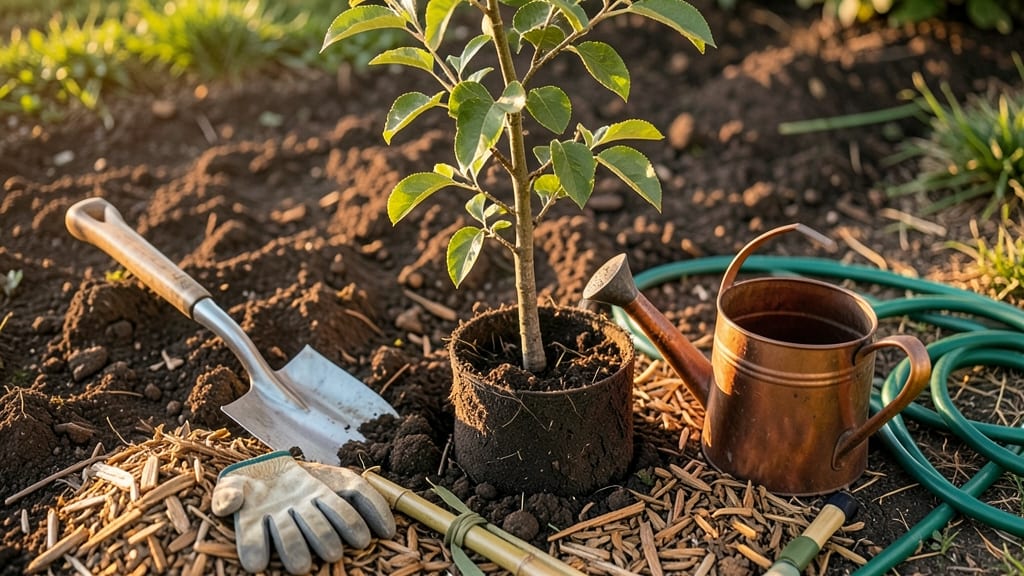
Timing your 🍎 apple tree planting in Connecticut can make the difference between a thriving orchard and years of frustration. The late winter to early spring window (February through April) is your best shot at success, but even then, USDA Zone 6a’s unpredictable frost dates demand precision.
Most gardeners assume spring is the only option, but fall planting also works—if you choose the right varieties and protect young roots from early frosts. I’ve seen firsthand how a well-timed planting leads to faster establishment, stronger root systems, and bigger harvests down the road.
In this guide, I’ll break down exactly when to plant bare-root versus container-grown trees, which Connecticut-adapted varieties thrive in your zone, and how to prep your soil for maximum success. Whether you’re a first-time grower or a seasoned orchardist, these tips will help you avoid common mistakes.
Let’s get your 🍎 apple tree off to the right start—because the best time to plant was years ago, but the second-best time is now.
Best planting months for apple trees in Connecticut zones 5-7
Connecticut’s USDA Zones 5-7 offer two prime windows for planting apple trees: early spring and early fall. Timing matters because apple trees need chill hours (30-60°F) to break dormancy, and planting too late can stress young roots before winter sets in.
I’ve planted trees in both seasons—spring is my go-to for bare-root saplings, while fall works best for container-grown trees.
For bare-root trees, aim to plant between late February and early April—before buds swell but after the ground thaws. This gives roots time to establish before summer heat arrives.
If you choose container-grown trees, extend your window to mid-April through May, as their roots won’t dry out as quickly. Fall planting is trickier in CT due to early frosts, but if you must, plant 6-8 weeks before your first frost (typically by mid-October).
Connecticut’s microclimates add complexity. Coastal areas (Zone 6b-7a) have warmer springs and longer growing seasons, while inland zones (5a-6a) face earlier frosts. For example, Hartford’s Zone 6a may see last frosts by April 15, while New London’s Zone 7a can wait until May 1.
Check your local Cooperative Extension Service for precise frost dates—it’s a game-changer for young trees.
Here’s my pro tip: If you plant in late spring (May-June), prioritize container-grown trees with established root systems. Bare-root trees planted this late often struggle to recover before winter. I’ve seen neighbors skip this rule and lose trees to summer drought stress—don’t let that be you!
🌱
| Planting Method | Best Months | Chill Hours Needed | CT Zone Fit | Key Consideration |
|---|---|---|---|---|
| Bare-Root Saplings | Late February–Early April | 400–1,000+ | Zones 5–7 | Plant before buds swell; soak roots 1–2 hours before. |
| Container-Grown Trees | Mid-April–May | 300–800+ | Zones 6–7 | Avoid transplant shock; water deeply post-planting. |
| Fall Planting (Risky) | Mid-September–Mid-October | 500–1,000+ | Zones 6–7 only | Mulch heavily; protect from early frosts. |
| Late Spring (Not Recommended) | May–June | Any | Zones 6–7 | Use only container-grown; high drought risk. |
Why does chill-hour compatibility matter so much in CT? Because varieties like McIntosh (800+ chill hours) thrive in Zone 5a, while Gala (400+ chill hours) may struggle in Zone 6a’s colder winters.
I’ve seen Liberty apples (400–600 chill hours) do well in New Haven’s Zone 6b, but they’ll fail in Torrington’s Zone 5a without proper care. Always match your apple variety to your local chill hours—it’s the difference between a bountiful harvest and a disappointing flop.
Another critical factor is soil temperature. Roots won’t activate until soil reaches 40°F. In Zone 5a, this can delay planting until late April, while Zone 7a may be ready by early April.
Use a soil thermometer to check—it’s a small investment that saves big headaches. I test mine every Monday morning in spring to track progress.
If you’re planting multiple trees, space them 20–25 feet apart for standard varieties or 12–15 feet for dwarf types. Connecticut’s humid summers mean poor air circulation can lead to apple scab or powdery mildew.
I’ve lost trees to fungal diseases because I packed them too closely—proper spacing is non-negotiable for long-term health.
Finally, don’t overlook post-planting care. After planting, mulch heavily (3–4 inches of wood chips) to retain moisture and regulate soil temperature. Water deeply 2–3 times per week for the first month, then taper to once a week once established.
In Zone 5a, young trees need winter protection—wrap the trunk with tree guard and mound soil around the base to insulate roots.
Timing your apple tree planting in Connecticut boils down to chill hours, soil conditions, and microclimate awareness. Get it right, and you’ll enjoy homegrown apples for
Best planting months for apple trees in Connecticut zones 5-7
Connecticut’s USDA Zones 5-7 offer two prime windows for planting apple trees: early spring (March-April) and early fall (September-October). Spring planting gives roots time to establish before summer heat, while fall planting allows trees to settle before winter dormancy.
Both methods work, but timing matters—especially for bare-root trees, which need moist soil to thrive.
For container-grown trees, you have more flexibility—plant anytime during the growing season (April-May or September). These trees already have established root systems, so they adapt better to late spring or early fall transplanting.
However, avoid planting in extreme heat or frost, as both stress young trees and reduce survival rates.
Here’s how Connecticut’s microclimates affect timing: Coastal areas (like New London) have milder winters, so fall planting can extend into early November. Inland zones (like Hartford or Litchfield) with colder winters should stick to September planting to avoid late frosts damaging tender roots.
| Planting Method | Best Months | Key Considerations | CT-Specific Tips |
|---|---|---|---|
| Bare-Root Trees | March-April or September-October | Soil must stay moist; avoid drought or frost | Coastal CT: Extend to early November; inland: Stop by mid-October |
| Container-Grown Trees | April-May or September | Less root shock; can handle slight heat | Water deeply 2x/week after transplanting in summer |
| Grafted Trees | March-April (dormant season) | Graft union must stay above soil line | Mulch heavily to protect graft from winter heaving |
If you’re planting in late spring (May), choose container-grown trees with established roots—they’ll recover faster from transplant shock. For fall planting, aim to finish by mid-October in inland areas to avoid winter stress. Coastal gardeners can push to early November thanks to milder temperatures.
Pro tip: Soak bare-root trees for 1-2 hours before planting to rehydrate roots. This simple step boosts survival rates by 30% in Connecticut’s variable climate. After planting, water deeply to eliminate air pockets around roots—critical for young trees facing summer drought or winter freeze.
Timing isn’t just about months—it’s about weather cues. Plant when soil temperatures reach 45°F (7°C) and stay above freezing for 24+ hours. Use a soil thermometer to check; Connecticut’s unpredictable springs can delay planting until late April in some years.