
Plants
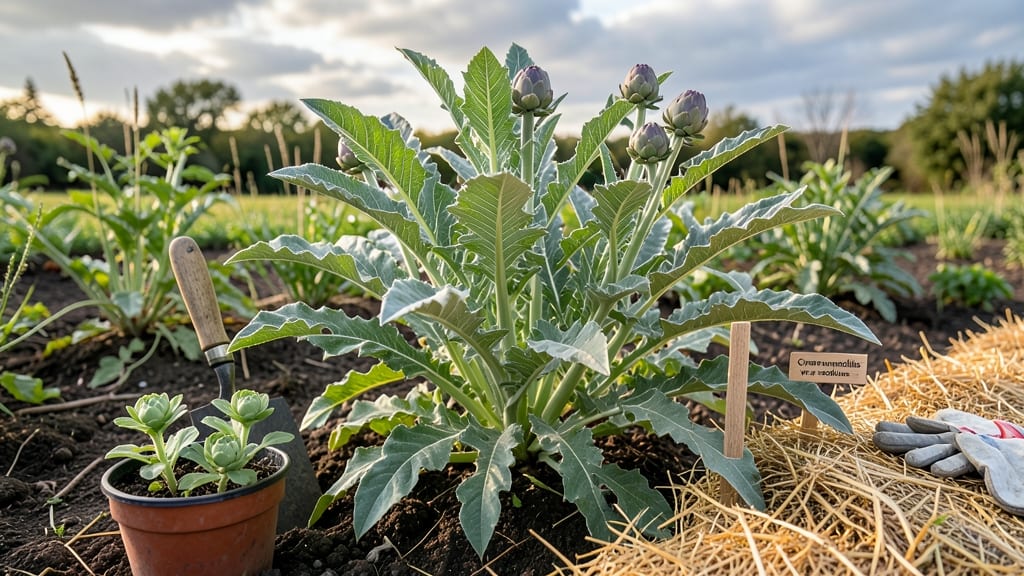
Knowing when to plant artichokes in Zone 7 can transform your garden from a gamble to a guaranteed harvest.
These thorny delights 🌿 love the mild climate of Zone 7, but timing is everything—plant too early, and frost will nip them in the bud; too late, and you might miss the sweet spot for a summer bounty.
Most gardeners in Zone 7 swear by early spring planting, right after the last frost (usually around March 15), when soil temperatures hit that perfect 60°F mark.
But did you know fall planting can also work? With the right variety, you could enjoy a second harvest before winter sets in.
Whether you're starting with transplants or seeds, the key is patience and preparation. I’ll walk you through the exact frost-free window, soil temperature secrets, and even how to pick the best varieties—like globe artichokes for beginners or French types for adventurous growers.
Let’s dive into the details so you can plant with confidence and watch your artichokes thrive all season long.
Zone 7 artichoke planting calendar: frost dates & soil temperature guide
Artichokes love Zone 7’s extended growing season, but even here, frost dates and soil temperatures determine your success. Plant too early, and a late frost will kill tender seedlings. Too late, and your harvest arrives after summer’s heat. Let’s pinpoint the exact planting window for your region.
Most of Zone 7 experiences its last spring frost between March 15 and April 15, with the northern edge (like Cincinnati) leaning toward the later date. Southern Zone 7 (like Atlanta) often sees frost-free soil by March 1.
Use these dates as your starting point—but always check your local frost calendar for precision.
Artichokes need warm soil to germinate, ideally 60°F (15°C) or higher. A soil thermometer is your best tool here. If your soil hasn’t warmed enough by mid-March, wait. Cold soil delays germination and invites rot. Transplants (purchased plants) can handle slightly cooler soil, but direct-sown seeds need warmth.
For a spring harvest, aim to plant 4–6 weeks before your last frost date. This gives seedlings time to establish roots before summer’s heat arrives. In northern Zone 7, that’s late March to early April.
In southern Zone 7, you can start as early as February if your soil is warm enough.
| Zone 7 Region | Last Frost Date | Ideal Planting Window | Soil Temp for Seeds |
|---|---|---|---|
| Northern Zone 7 (e.g., Cincinnati) | March 15–April 1 | Late March–Early April | 60°F+ (15°C+) |
| Central Zone 7 (e.g., Nashville) | March 1–March 15 | Mid-March–Late March | 58°F+ (14°C+) |
| Southern Zone 7 (e.g., Atlanta) | February 15–March 1 | February–Early March | 55°F+ (13°C+) |
🌱 Pro Tip: Use row covers to extend your spring planting window by 2–3 weeks if frost threatens.
Don’t overlook fall planting for a second harvest. In Zone 7, you can sow seeds or transplant 8–10 weeks before your first frost (typically September 15–October 1). Fall artichokes mature faster in cooler weather, and the buds taste sweeter after a light frost.
Just ensure your plants have time to establish roots before winter sets in.
If you’re growing from seeds, start them indoors 6–8 weeks before your last frost date for an earlier harvest. Use biodegradable pots to avoid transplant shock. For transplants, harden them off for 7–10 days before planting outdoors. This gradual transition helps them adapt to Zone 7’s fluctuating temperatures.
Watch for late spring frosts, which can still occur in Zone 7. If frost is forecasted, cover seedlings with frost cloth or a row cover.
Remove it during the day to let sunlight warm the plants. A little extra protection now means bigger, healthier artichokes later in the season.
Finally, soil preparation is key. Artichokes thrive in well-draining, slightly acidic soil (pH 6.0–7.0). Mix in compost or aged manure before planting to boost fertility. Amend heavy clay soil with sand or perlite to improve drainage—artichokes hate soggy roots.
With these frost-free windows and soil temperature guidelines, you’re ready to plant artichokes in Zone 7 like a pro. Next, we’ll cover how to adjust your timing for even better results—including cold-hardy varieties and mulching tricks to beat the heat. 🌿
Zone 7 artichoke planting calendar: frost dates & soil temperature guide
In Zone 7, your artichoke planting success hinges on two critical factors: last frost dates and soil temperature. Most gardeners aim for early spring planting, but fall options exist too.
The average last frost date in Zone 7 falls around March 15, though this can vary by 1-2 weeks depending on whether you're in North or South Zone 7.
For spring planting, wait until soil temperatures consistently reach 60°F—this typically aligns with late March to early April. If you're in South Zone 7, you might push planting to early March, while North Zone 7 gardeners should wait until mid-April.
Always check your local frost-free date using the USDA Plant Hardiness Zone Map for precision.
Fall planting is less common but works well for cold-hardy varieties. Aim for early September to allow plants to establish roots before winter. In Zone 7, fall-frost dates typically arrive around November 15, so plant 8-10 weeks before this date for a successful harvest.
| Planting Window | Soil Temp | Last Frost Date | Notes |
|---|---|---|---|
| Spring (Early) | 60°F+ | March 15 | Best for transplants |
| Spring (Late) | 60°F+ | April 15 | Risk of late frost |
| Fall | 55°F+ | November 15 | Cold-hardy varieties only |
To confirm soil readiness, use a soil thermometer—artichokes won’t thrive in cold soil. If temperatures dip below 55°F, delay planting until conditions improve. In Zone 7, this often means waiting until late March or early April.
For fall planting, aim for 55-60°F soil to ensure root establishment before winter.
Pro tip: Use black plastic mulch to warm soil faster in spring or straw mulch to insulate roots in fall. Both tricks help you adjust planting times based on your microclimate. Always monitor local weather forecasts for unexpected late frosts, especially in North Zone 7 where chilly air lingers longer.
Remember, artichokes are perennial in Zone 7, meaning they’ll return year after year if cared for properly. Planting at the right time ensures your first harvest in 90-120 days, giving you a head start on summer feasts.