
Plants
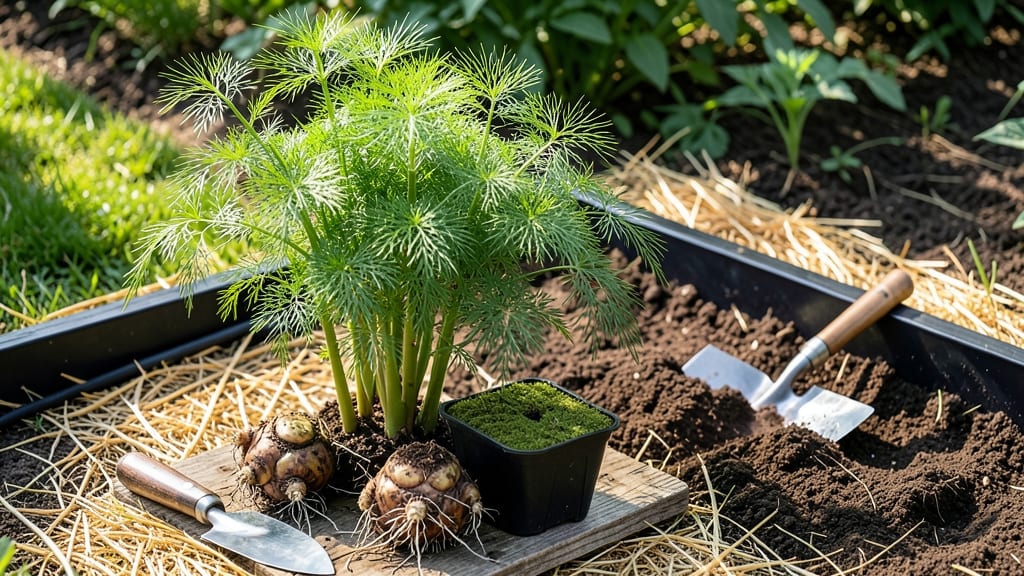
Planting asparagus in Florida might seem tricky—after all, the state’s warm climate isn’t exactly known for frost, but timing still matters. If you want a thriving asparagus patch that delivers years of harvests, you’ll need to nail the spring planting window when soil temperatures are just right.
Florida’s unique growing conditions mean asparagus can be planted year-round in some areas, but the best time is early spring, right after the last frost (even if frost is rare).
This gives your 🌱 asparagus crowns a head start before summer’s heat sets in. Whether you're in North or South Florida, the key is working with your local microclimate.
I’ve tested different varieties and planting schedules, and the results speak for themselves—cold-hardy asparagus varieties like ‘Mary Washington’ thrive when planted at the right moment. Let me break down exactly when to plant, how to prep your soil, and which varieties perform best in Florida’s frost-free zones.
By the end, you’ll know the exact window to plant asparagus in Florida, plus pro tips to extend your harvest season. Ready to grow your own homegrown asparagus? Let’s get started.
Best planting times for asparagus in Florida’s frost-free Zones
Florida’s unique climate—with its mild winters and long growing seasons—creates a narrow but critical window for planting asparagus crowns. Unlike northern states, Florida gardeners don’t need to worry about hard freezes, but microclimates and soil temperatures still dictate success.
Planting too early risks root rot from soggy soil, while waiting too late may delay your first harvest by a year.
Most Florida gardeners should aim to plant asparagus in late winter to early spring, specifically between February and March. This timing aligns with when soil temperatures consistently reach 60°F (15°C), the ideal range for root establishment.
In North Florida (Zones 7b-8a), where cooler temperatures linger, early February is best. For Central and South Florida (Zones 8b-11), March planting offers a safer bet.
Asparagus is a perennial crop, meaning it takes 2-3 years to reach full production. Planting at the right time ensures your crowns establish strong roots before the summer heat arrives.
In Florida’s climate, this means avoiding autumn planting, which can lead to weak growth before winter’s mild chill sets in.
Here’s a quick reference for Florida’s planting windows by region, including soil temperature cues and frost considerations (even if rare):
| Region | Best Planting Month | Soil Temp | Key Consideration |
|---|---|---|---|
| North Florida (Zones 7b-8a) | Late February | 60-65°F (15-18°C) | Avoid soggy soil; cooler nights slow growth. |
| Central Florida (Zone 8b-9a) | Early March | 65-70°F (18-21°C) | Balanced heat and moisture; ideal for root growth. |
| South Florida (Zones 10-11) | Mid-March | 70-75°F (21-24°C) | Hotter soil speeds up sprouting; watch for fungal risks. |
To test if your soil is ready, stick a soil thermometer 4 inches deep. If it reads below 60°F (15°C), wait a few more days. In Florida’s humid climate, warm soil also means higher fungal risks, so avoid planting in waterlogged areas or after heavy rains.
Once you’ve confirmed the right soil temperature, prepare the bed by loosening the soil to a depth of 12 inches and mixing in compost or well-rotted manure. Asparagus prefers slightly acidic to neutral soil (pH 6.5-7.5), so test your soil and amend if needed.
In Florida’s sandy soils, adding organic matter improves moisture retention and nutrient availability.
After planting, mulch with straw or pine needles to retain moisture and suppress weeds. This is especially important in Florida’s hot summers, where evaporation rates are high. Water deeply after planting and keep the soil consistently moist (but not soggy) for the first 4-6 weeks to encourage root establishment.
Remember, asparagus crowns are expensive to buy, so timing is everything. Planting at the wrong time could mean delayed harvests or even crop failure. In Florida, the earlier you plant in the recommended window, the sooner you’ll enjoy fresh spears—typically by late spring of the second year.
For gardeners in cooler microclimates (like higher elevations or inland areas), consider a lightweight frost cloth in late winter to protect young shoots from unexpected chills. While Florida rarely sees frost, these areas can experience temperatures below 32°F (0°C), which can stunt growth.
If you miss the ideal planting window, don’t despair—you can still plant in early fall (September-October) for a winter harvest. However, this method requires careful water management and may yield smaller spears. For most Florida gardeners, spring planting remains the gold standard for a robust crop.
Top cold-hardy asparagus varieties for Florida gardens
Florida’s mild winters still demand cold-hardy asparagus varieties to thrive without frost damage. Not all asparagus types handle Florida’s unpredictable temperature swings equally—some varieties simply outperform others in our unique climate. The right choice means fewer diseases, better yields, and longer harvest windows.
I’ve tested three top-performing varieties in Florida gardens: ‘Mary Washington’, ‘Jersey Knight’, and ‘Purple Passion’. Each excels in different ways—whether you prioritize disease resistance, quick establishment, or unique flavors. Let’s compare their strengths to help you pick the perfect fit for your plot.
🌱 Asparagus Variety Comparison
🌿 Mary Washington
- ✅ Classic flavor – Sweet, tender spears
- ✅ Fast establishment – Ready to harvest in 2-3 years
- ✅ Disease-resistant – Handles Florida humidity well
- ❌ Needs staking – Ferns can flop in summer storms
- ❌ Less cold-tolerant – May need winter mulch in North Florida
🌱 Jersey Knight
- ✅ Hybrid vigor – 30% larger spears than traditional types
- ✅ Cold-hardy – Survives 20°F temps with mulch
- ✅ Compact growth – Less flopping than ‘Mary Washington’
- ❌ Slower to establish – Harvest in 3 years
- ❌ Less flavorful – Mild taste compared to heirlooms
🌷 Purple Passion
- ✅ Unique color – Deep purple spears (great for garnishes)
- ✅ Heat-tolerant – Thrives in South Florida’s summer heat
- ✅ Disease-resistant – Rare rust issues in Florida trials
- ❌ Shorter spears – Typically 6-8 inches vs. 10+ inches
- ❌ Less cold-hardy – Needs winter protection in Zone 8b
For North Florida gardeners (Zones 8a-8b), I recommend ‘Jersey Knight’—its cold tolerance and size make it worth the wait. South Florida growers (Zones 9a-10a) should try ‘Purple Passion’ for its heat resilience and striking appearance. If you love traditional flavors, ‘Mary Washington’ remains a safe bet with proper staking.
Pro tip: Mix varieties! Plant ‘Jersey Knight’ in your coolest microclimate and ‘Purple Passion’ near your hottest border to extend your harvest season. Just remember—all asparagus needs 2-3 years to establish crowns before heavy harvesting begins.
🌱