
Trees
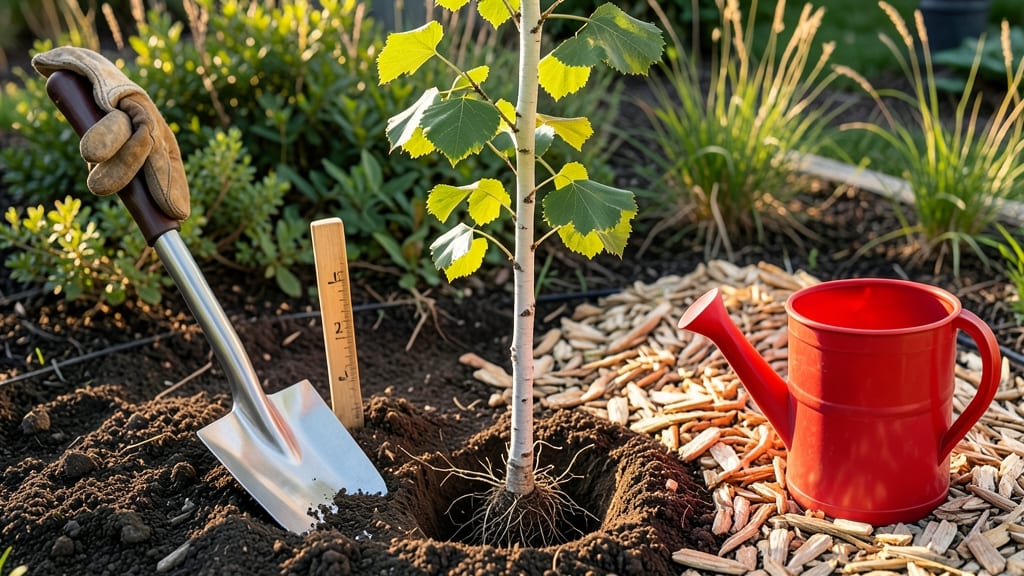
If you're dreaming of planting an aspen tree 🌳 in Colorado, timing is everything—get it wrong, and you might be waiting years for those golden leaves to shine.
The best window for planting aspen trees in Colorado isn’t just about months; it’s about avoiding frost, preparing soil, and accounting for elevation shifts that can change everything.
Spring and fall are your golden opportunities, but here’s the catch: lowland areas near 3,000 feet have different rules than highland zones above 9,000 feet. Plant too early, and frost will nip your sapling’s growth; too late, and roots won’t establish before winter sets in.
I’ll break down the exact months that work for each zone so you can plant with confidence.
You’ll also discover how to prep your soil, choose the right sapling, and even spot the best local nurseries stocking Colorado-adapted aspen varieties. Whether you’re restoring a forest edge or adding a single tree to your yard, these insights will help your aspen thrive from day one.
Let’s dive into the critical timing and secrets to planting aspen trees that grow strong and tall—no guesswork required.
Optimal planting months for aspen trees by Colorado elevation zones
Colorado's dramatic elevation changes create three distinct planting zones for aspen trees: lowland (3,000–6,000 ft), mid-elevation (6,000–9,000 ft), and highland (9,000+ ft). Each zone has unique frost risks and soil temperature thresholds that determine your ideal planting window.
Getting this right means the difference between a 10-foot sapling and a 50-foot giant within a decade.
At low elevations (3,000–6,000 ft), your best planting windows are March 15–April 15 (spring) or September 15–October 15 (fall). These dates align with soil temperatures above 45°F and minimal frost risk.
The Front Range cities like Denver and Colorado Springs fall into this category, where last frost dates typically occur around April 15.
For mid-elevations (6,000–9,000 ft), including areas like Fort Collins and Manitou Springs, shift your planting to April 1–May 15 or September 1–October 1. The shorter growing season here means you must avoid planting too early when soil temperatures hover near freezing.
Aspen trees planted in this zone often show slower initial growth due to cooler temperatures, but with proper care, they catch up.
At high elevations (9,000+ ft), such as Estes Park or Leadville, your only viable window is late May–June 15 or late August–September 1. The longer frost periods and colder soils make early spring planting risky.
However, aspen trees thrive in these cooler climates once established, often developing darker foliage and sturdier trunks than their lowland counterparts.
🌳 Colorado Aspen Planting Windows by Elevation
| Elevation Zone | Best Planting Months | Soil Temp Threshold | Frost Risk | Growth Rate (Year 1) |
|---|---|---|---|---|
| Lowland (3,000–6,000 ft) | March 15–April 15 September 15–October 15 |
45°F+ | Low (last frost: April 15) | 1–2 ft |
| Mid-Elevation (6,000–9,000 ft) | April 1–May 15 September 1–October 1 |
50°F+ | Moderate (last frost: May 1) | 6–12 inches |
| Highland (9,000+ ft) | Late May–June 15 Late August–September 1 |
55°F+ | High (last frost: June 1) | 3–6 inches |
💡 Pro Tip: Always check local almanac frost dates—Colorado’s microclimates can shift planting windows by 2–4 weeks.
Timing isn’t just about the calendar—it’s also about soil moisture levels and rainfall patterns. In Colorado’s arid climate, planting aspen trees in early spring (March–April) gives roots 6–8 weeks of consistent moisture before summer droughts hit.
If you choose fall planting, aim for late September to allow roots to establish before first frost, typically around October 15.
One common mistake I see is planting aspen trees in late spring (May–June), especially at higher elevations. By this time, soil moisture evaporates quickly, and young roots struggle to establish.
The result? Stunted growth and increased susceptibility to pests. To avoid this, water deeply for the first 3 months after planting, even if natural rainfall seems sufficient.
For urban gardeners in Denver or Colorado Springs, another critical factor is heat island effect. Cities can be 5–10°F warmer than rural areas, which may allow for earlier spring planting by 2–3 weeks.
However, this also means soil dries out faster, so mulching with wood chips is essential to retain moisture and regulate temperature.
If you’re planting aspen trees in mountain communities like Breckenridge or Aspen, focus on late summer (August) planting. The cooler
Optimal planting months for aspen trees by Colorado elevation zones
Colorado’s dramatic elevation changes mean your aspen tree planting window shifts dramatically from the Front Range to the Rocky Mountains. At 3,000–6,000 feet, you’ve got a longer season to work with, while above 9,000 feet, frost can arrive as early as September.
I’ve mapped out the best months for each zone so you can plant when soil temperatures are ideal and frost risks are low.
For lowland areas (3,000–6,000 ft), aim for March through April in spring or September through early October in fall. These windows give roots 6–8 weeks to establish before winter.
At 6,000–9,000 feet, shift your timing to late April–May for spring or late August–September for fall, as frost can hit earlier.
Above 9,000 feet, your options shrink to late May–June for spring or August for fall. High-elevation aspen trees need to establish roots quickly—plant too late, and winter will stunt their growth before they’re ready.
Always check your local USDA Plant Hardiness Zone (Colorado spans Zones 4–7) for precise timing.
| Elevation Zone | Spring Planting Window | Fall Planting Window | Soil Temp Threshold | Frost Risk |
|---|---|---|---|---|
| 3,000–6,000 ft (Lowland) | March–April | September–Early October | 45–50°F (7–10°C) | Low (last frost: mid-April) |
| 6,000–9,000 ft (Mid-Elevation) | Late April–May | Late August–September | 40–45°F (4–7°C) | Moderate (last frost: late April) |
| 9,000+ ft (Highland) | Late May–June | August (early) | 35–40°F (2–4°C) | High (last frost: early May) |
Pro tip: Use a soil thermometer to confirm ground temps are above 40°F (4°C) before planting. Cold soil slows root growth, leaving your aspen vulnerable to winter stress.
If you’re planting in fall, do it at least 6 weeks before the first expected frost to allow roots to knit together.
Local nurseries like Colorado Tree Company or Denver Botanic Gardens often stock Colorado-native aspen varieties (like Quaking Aspen) that are pre-acclimated to your elevation. Call ahead to confirm their planting-ready saplings are available—some only arrive in spring.
Remember, aspen trees thrive in full sun and well-draining soil. If your site has clay-heavy soil, amend it with compost or sand before planting to prevent waterlogging. The right timing + soil prep = a tree that grows 3–5 feet per year instead of struggling to survive.