
Plants
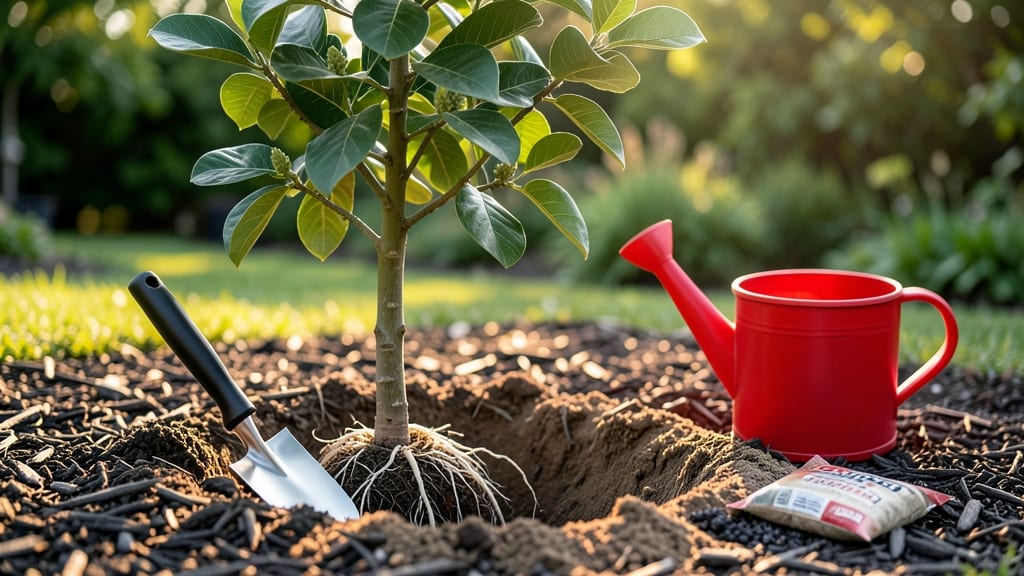
Timing when to plant an avocado tree in the ground wrong could mean the difference between a lush, fruit-bearing giant and a sad, frost-zapped sapling—so let's get this right.
These tropical trees hate cold, and even a light frost can send them into shock, especially in USDA Zones 9-11, where they thrive.
I've seen firsthand how a single late-winter chill can turn a promising young tree into a crispy mess. That's why knowing your local microclimate—whether you're near the coast or inland—isn't just helpful, it's essential. The key is planting when the soil is warm and the frost risk is truly gone.
But here's the thing: your perfect planting window depends on where you live. Coastal areas might be ready by early spring, while inland spots need to wait until all danger of frost has passed.
I'll walk you through exactly how to read your climate's cues so you can plant with confidence.
Ready to avoid the common mistakes that kill avocado trees before they even take root? Let's dive into the science—and the simple tricks—that will give your 🥑 tree the best possible start in the ground.
Optimal planting windows by USDA hardiness Zones for avocado trees
Avocado trees thrive in warm climates and despise frost, making timing your most critical decision. In USDA Zones 9-11, where they’re happiest, your planting window is narrow but precise—typically late winter to early spring, once soil temperatures hit 60°F (15°C) and stay there.
For Zone 10, aim for February to March when nighttime lows consistently stay above 45°F (7°C). In Zone 11, you’ve got a bit more flexibility—plant from January to April, but avoid summer months when heat stress can shock young roots.
In Zone 9, the riskiest zone for avocados, plant no earlier than March after the last frost date. Coastal areas in Zone 9 often have milder microclimates, allowing for earlier planting than inland spots.
If you’re in Zones 8 or below, growing avocados outdoors is extremely challenging—but not impossible. You’ll need to extend your season with frost protection, which we’ll cover later. For now, focus on Zones 9-11, where success is far more predictable.
🌱
Beyond USDA zones, pay attention to microclimates. Coastal areas stay warmer longer due to ocean breezes, while inland spots can experience sudden temperature drops. For example, Los Angeles (Zone 10) might be safe by February, but Phoenix (Zone 9) could still see frost in March.
Always check your local frost dates—tools like the National Weather Service or Almanac’s Frost Calculator are invaluable. Planting too early risks root rot from cold, wet soil, while waiting too long delays growth and fruit production.
If you’re transitioning an avocado from a container to ground, time it for early spring when roots are actively growing. Avoid summer planting, as the heat stress can stunt young trees for years.
🌿
Pro tip: In Zone 9, watch for warm spells in late winter. If temperatures spike above 70°F (21°C) for a week, it’s a sign your soil may be ready—but verify with a soil thermometer before planting.
Signs your avocado tree is ready for ground planting (not too early!)
Avocado trees are tropical divas—they despise cold, and rushing their transition from container to ground can spell disaster. Before planting, check for these three critical signs that your tree is truly ready to handle outdoor conditions without stress.
First, examine the root system. Healthy roots should fill the container, with white or light tan roots extending to the edges. If roots are circling or sparse, delay planting—your tree needs a strong root base to survive transplant shock.
Gently remove the tree from its pot and inspect for root-bound conditions, which can stunt growth for years.
Next, look at the leaf color and texture. Vibrant, deep green leaves signal readiness, while yellowing or wilting leaves mean your tree isn’t hardened off yet.
A quick test: Gently tug a few leaves—if they stay firm and don’t drop easily, your tree is resilient enough for outdoor life. Avoid planting if leaves feel leathery or brittle, as this indicates stress.
Finally, monitor local temperature trends. Avocado trees thrive in warm soil (65°F+) and can’t tolerate frost. Use a soil thermometer to confirm ground temperatures meet this threshold before planting.
If nighttime temps dip below 50°F, even briefly, delay until conditions stabilize—frost can kill a young avocado tree in hours.
⚠️ Common Mistake: Planting Too Early
Many gardeners rush to plant avocado trees in early spring before soil warms, leading to transplant shock or even death. Wait until all frost risk has passed—even a single cold snap can set your tree back months. In USDA Zone 10, aim for mid-March; in Zone 11, February is ideal.
Pro tip: If your tree shows all the right signs but your climate is still chilly, harden it off first. Move the container outdoors for 6-8 hours daily, gradually increasing exposure over 2 weeks.
This mimics natural conditions and reduces shock. Start in partial shade and slowly transition to full sun to avoid leaf burn.
Once you’ve confirmed roots, leaves, and temps are perfect, it’s time to plant! Choose a sunny, sheltered spot with well-draining soil, and dig a hole twice as wide as the root ball.
Amend the soil with compost or aged manure to give your avocado tree a nutrient-rich start. With the right timing, your tree will thrive for decades—and those first avocados? Worth the wait!