
Plants
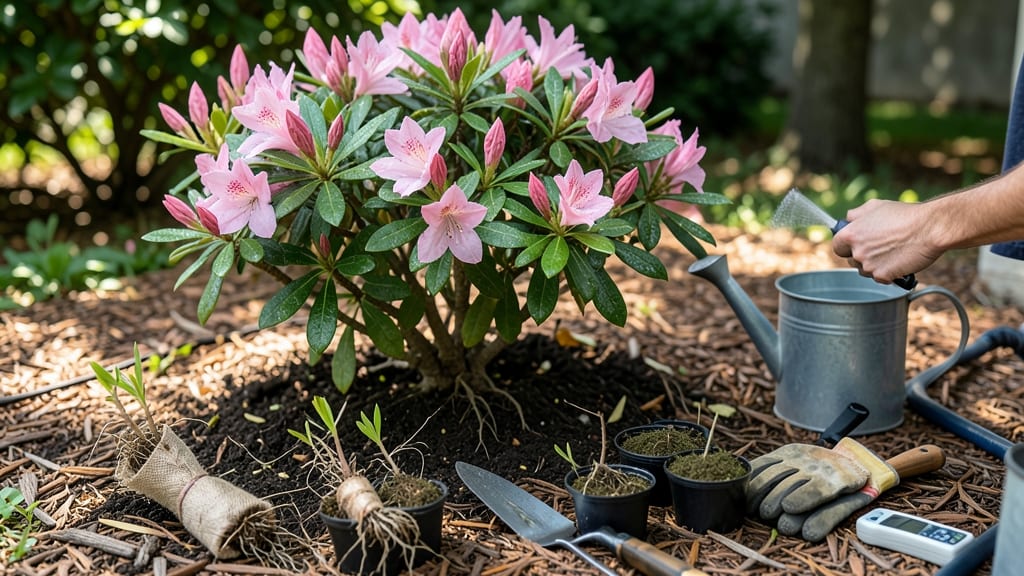
Planting azaleas in Oklahoma isn’t just about picking a month—it’s about matching their chill-hour needs to your local climate. These stunning 🌸 shrubs thrive when planted during optimal windows, but get it wrong, and you’ll battle heat stress or weak root growth before summer’s peak.
For Oklahoma’s USDA Zone 6b-7a, the sweet spot is fall (October-November) or early spring (March-April), when soil temps are cool and frost risks are low. This timing lets azaleas establish roots before Oklahoma’s brutal summer heat sets in—critical for survival and vibrant blooms.
But here’s the catch: Northern Oklahoma’s cooler microclimates may extend your window slightly, while southern regions demand earlier action. I’ll break down exactly how to adjust based on your location, plus soil prep tips to give your azaleas the best start.
Skip the guesswork and learn how to plant azaleas for maximum success in Oklahoma’s climate. Your future shrubs will thank you with lush foliage and showstopping spring blooms.
Best planting windows for azaleas in Oklahoma’s Zone 7a/7b: chill-hour breakdown
Oklahoma’s USDA Zones 7a/7b create a unique challenge for azaleas, which need 300-600 chill hours below 45°F to bloom reliably. The key? Planting during optimal windows when soil temps are cool but not frozen, and roots can establish before summer’s heat arrives.
Most gardeners in Oklahoma swear by fall planting (October-November) as the gold standard. This gives roots 6-8 weeks to establish before winter dormancy, while avoiding the intense summer heat that stresses young plants. Spring planting (February-March) works too, but requires careful timing to avoid late frosts.
Here’s the science: Azaleas need chill hours to break dormancy, but Oklahoma’s winters are unpredictable. Northern Oklahoma (Zone 7a) gets 500+ chill hours, while southern Oklahoma (Zone 7b) often sees 300-400 hours. Choose varieties like ‘Southern Indica’ for Zone 7b, which tolerates fewer chill hours.
Soil temperature matters just as much as air temperature. Ideal planting soil should be 50-60°F. In Oklahoma, this typically means October 1st to November 15th for fall planting, or February 15th to March 15th for spring.
Missed the fall window? Don’t panic. Container-grown azaleas can handle spring planting better than bare-root varieties. The trick is to water deeply before transplanting and use mulch immediately to retain moisture.
Pro tip: Oklahoma’s first frost usually hits November 15th, but late frosts in spring can linger until April 15th. Protect young plants with frost cloth if planting in early spring.
🌸 Azalea Planting Timeline for Oklahoma
| Stage | Action | Notes |
|---|---|---|
| Soil Prep | Test pH (4.5-6.0), amend with sulfur if needed | Azaleas hate alkaline soil |
| Fall Planting | October 1-November 15 | Best for bare-root plants |
| Spring Planting | February 15-March 15 | Use container-grown azaleas |
| Watering | Deep water 2x/week for first month | Morning watering only |
| Mulching | Apply 3" organic mulch | Keep mulch 2" from stem |
🌡️ Critical Soil Temp for Planting: 50-60°F
Why does timing matter so much in Oklahoma? Summer heat (often exceeding 100°F) stresses young azaleas, while winter freezes can damage newly planted roots. The 60-day rule applies: Give your azaleas 60 days of cool weather before summer’s heat arrives to ensure root establishment.
For container-grown azaleas, spring planting in March works well because they’re already established. Bare-root plants, however, need the extra time that fall planting provides. If you’re in southern Oklahoma (Zone 7b), prioritize early fall planting to maximize chill hours.
Remember: Oklahoma’s microclimates vary wildly. A garden in Tulsa (Zone 7a) might handle spring planting better than one in Oklahoma City (Zone 7b). Always check your local frost dates and adjust accordingly.
One final tip: If you plant in late spring (April-May), choose heat-tolerant varieties like ‘George Taber’ and provide afternoon shade during the hottest months. Your azaleas will thank you with vibrant blooms next spring!
Best planting windows for azaleas in Oklahoma’s Zone 7a/7b: chill-hour breakdown
Oklahoma’s USDA Zones 7a/7b create unique challenges for azaleas, which need 300-600 chill hours below 45°F to bloom properly. Too few chill hours, and your azaleas may skip flowering entirely. Too many, and they’ll struggle with heat stress once summer arrives.
For optimal success, focus on two planting windows: early fall (October-November) and late winter (February-March). These timings align with Oklahoma’s frost patterns while keeping soil temperatures cool enough for root establishment.
Fall planting (October-November) is ideal because azaleas can establish roots before winter dormancy. By November 15, most of Oklahoma has seen its first frost, but soil remains warm enough for root growth. Spring planting (March-April) works too, but avoid waiting until May—summer heat stress becomes a major risk.
Here’s how Oklahoma’s chill hours break down by region and why timing matters:
| Planting Window | Chill Hours Needed | Soil Temp | Frost Risk |
|---|---|---|---|
| October-November | 300-500 hours | 55-65°F | Low (post-first frost) |
| February-March | 500-600 hours | 45-55°F | Moderate (late frosts possible) |
| April-May | Insufficient (heat stress risk) | 65-75°F+ | None (too late) |
Northern Oklahoma (e.g., Oklahoma City) typically accumulates 600+ chill hours, while southern regions (e.g., Tulsa) may only hit 400-500 hours. This means northern azaleas can handle slightly later spring planting, while southern varieties need earlier fall planting to meet chill-hour requirements.
Always check your local last frost date (usually April 15 in most of Oklahoma) and aim to plant 4-6 weeks before to give roots time to establish. For container-grown azaleas, this window is slightly more flexible than bare-root varieties.
Pro tip: If you’re in a warmer microclimate (like urban heat islands), opt for early October planting to avoid summer heat stress. Your azaleas will thank you with healthier roots and bigger blooms next spring.