
Plants
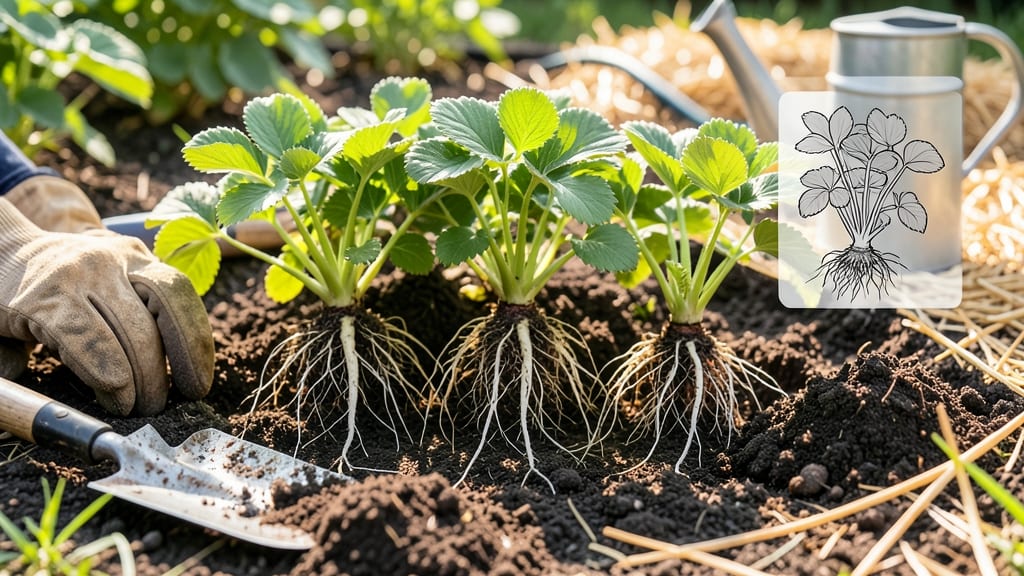
Timing your bare root strawberries wrong in Zone 8 could mean the difference between a year-round harvest of juicy 🍓 and plants that struggle to fruit—or worse, never recover. Unlike colder zones, Zone 8’s mild winters demand precision, and the best window isn’t just "fall" or "spring"—it’s about matching your variety’s chill-hour needs with your local microclimate.
If you’ve ever planted strawberries in Zone 8 only to watch them send up weak runners or produce tiny berries, you’re not alone.
The key lies in understanding when to plant—whether it’s late fall for June-bearing types or early spring for everbearing varieties—and how to prep your soil to give those roots the perfect start.
In this guide, I’ll break down the exact planting windows that work for Zone 8, including how to adjust for coastal vs. inland conditions. You’ll learn which months avoid frost damage, how to mulch for winter protection, and even how to stretch your harvest season by choosing the right varieties.
Ready to turn your Zone 8 garden into a strawberry powerhouse? Let’s dive into the chill-hour calendar and planting strategies that’ll have you picking berries from spring through summer—without the guesswork.
Zone 8 bare root strawberry planting calendar: chill-hours explained
Zone 8’s mild winters make timing critical for bare root strawberries. Unlike colder zones, strawberries here need 300–1,000 chill-hours—the cumulative time below 45°F (7°C)—to break dormancy and fruit properly. Plant too early, and roots rot in wet soil; too late, and plants struggle to establish before summer heat.
The key? Matching your strawberry variety type to Zone 8’s microclimates and chill-hour windows.
Most Zone 8 gardeners focus on fall planting (October–November) or early spring (March), but everbearing and day-neutral varieties offer more flexibility. June-bearing types, which produce one big harvest, require more chill-hours (800–1,000) and thrive when planted in late fall.
Everbearing and day-neutral varieties, needing 300–500 chill-hours, can handle spring or fall planting with better success.
Here’s how chill-hours translate to your Zone 8 planting window:
| Variety Type | Chill-Hours Needed | Best Planting Window | Zone 8 Notes |
|---|---|---|---|
| June-bearing | 800–1,000 | Late October–November | Needs cold winters; coastal areas may struggle. |
| Everbearing | 300–500 | March or October–November | Flexible; produces fruit in spring and fall. |
| Day-neutral | 300–500 | March–April or September | Best for year-round harvests; heat-tolerant. |
For June-bearing varieties, aim to plant 6–8 weeks before the first frost (typically late October–November in Zone 8). This gives roots time to establish before winter dormancy. Everbearing and day-neutral types, however, can handle spring planting (March–April) if you’re in a coastal microclimate with milder winters.
Just avoid planting in summer heat, as bare roots will dry out quickly.
Pro tip: Use a chill-hour calculator for your exact location—some inland Zone 8 areas (like Phoenix) get fewer chill-hours than coastal spots (like San Diego). If your area falls short, opt for day-neutral varieties like Seascape or Albion, which produce fruit with minimal chill.
After planting, mulch heavily (4–6 inches) with straw or wood chips to insulate roots from temperature swings and retain moisture. In desert Zone 8 (e.g., Las Vegas), add shade cloth during summer to protect newly planted strawberries from intense sun and heat stress.
Remember: Bare root strawberries should never be planted when soil temps exceed 70°F (21°C). If your spring warms up quickly, hold off until March to avoid stress. For the best results, test soil moisture before planting—bare roots need consistent moisture for the first 2–3 weeks to avoid transplant shock.
🌱
Best months to plant bare root strawberries in Zone 8 by variety type
Zone 8’s mild winters make strawberry planting more flexible than colder regions, but variety types dictate the best windows. June-bearing strawberries thrive when planted in late fall (October-November) to meet their 500+ chill-hour needs before spring growth.
Everbearing varieties, needing 300–500 chill hours, can handle spring or fall planting, while day-neutral types (requiring 0–300 chill hours) offer the most flexibility, even allowing year-round planting in coastal areas.
For Southern California desert regions, where winters are nearly frost-free, focus on early spring (March-April) planting to avoid summer heat stress. Inland areas with cooler nights can extend fall planting into December, but avoid planting after mid-December to prevent frost damage to newly established roots.
Here’s how to match your strawberry variety to the perfect Zone 8 planting window:
- June-Bearing: Ideal Plant in October–November for spring harvest. Needs 500+ chill hours to fruit well. Avoid spring planting—these varieties focus energy on leaves first.
- Everbearing: Flexible Plant in September–March. Thrives with 300–500 chill hours and produces two harvests per year (spring + fall). Coastal Zone 8 gardeners can plant as late as January.
- Day-Neutral: Year-Round Plant anytime except frost risk (March–November in most of Zone 8). Needs 0–300 chill hours and produces berries continuously. Perfect for container gardening or raised beds.
- Desert Zone 8 Tip: Caution Avoid summer planting (June–August) due to extreme heat. Instead, plant in early spring (March) or fall (October) with shade cloth for summer protection.
Pro tip: Pair your planting window with soil temperature checks. Strawberry roots need soil temps above 40°F (4°C) to establish—use a soil thermometer to confirm before planting. In coastal areas, this might mean waiting until December for fall plantings, while inland gardeners can start as early as October.
Once planted, mulch heavily with straw or wood chips (3–4 inches) to protect roots from temperature swings and retain moisture. For everbearing and day-neutral varieties, remove old fruit regularly to encourage new growth—this keeps your plants productive through multiple harvest cycles in Zone 8’s extended growing season.
Timing your planting right isn’t just about the calendar—it’s about matching your strawberries’ needs to your local microclimate. With the right variety and window, you’ll enjoy homegrown strawberries from spring through fall, even in Zone 8’s challenging climate.