
Plants
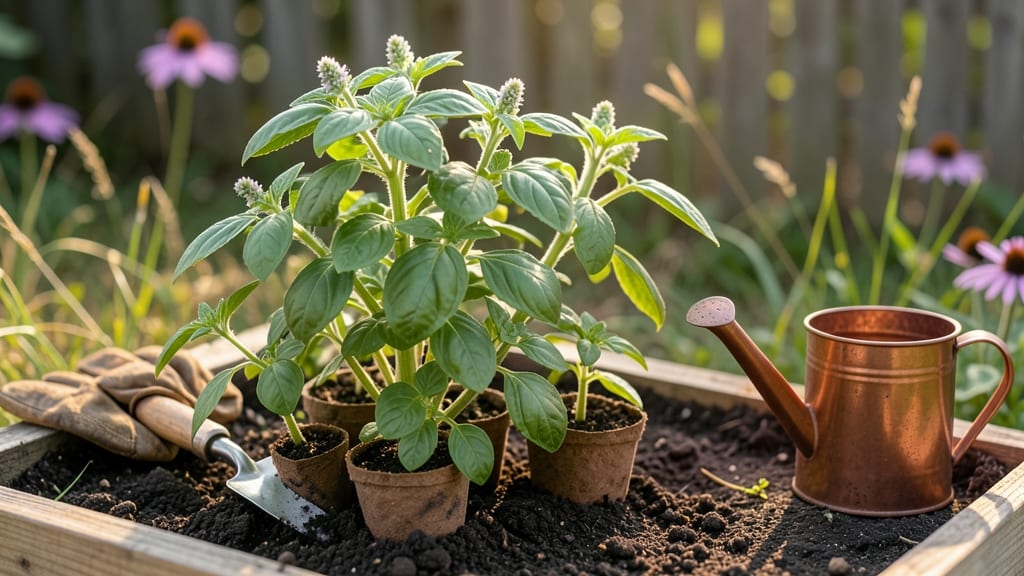
Timing your basil planting in Michigan right means the difference between a thriving herb garden and sad, frost-nipped seedlings. Since Michigan’s 5b-6b zone offers just 160 frost-free days, every week counts—especially when you’re aiming for that first harvest by June.
You’ve probably heard “wait until after last frost,” but what does that really mean for your backyard? In most of Michigan, that window opens around mid-April, but soil temperature matters just as much as the calendar.
Planting too soon risks stunted growth, while waiting too long cuts your harvest short.
Here’s the game-changer: start seeds indoors by March (yes, in Michigan!) to give them a head start, then transplant outdoors once nighttime temps stay above 50°F. With the right schedule, you’ll enjoy fresh 🌿 basil from June through September—no guesswork, just flavor.
Ready to avoid the common mistakes? I’ll break down exactly when to plant, which varieties handle Michigan’s heat best, and how to stretch your harvest until fall. Let’s get those seeds in the ground the right way.
Michigan basil planting schedule: frost dates & heat zones explained
Michigan’s short growing season means timing your basil planting perfectly is crucial.
The last frost date in Michigan typically falls between mid-April and early May, depending on your region—southern areas like Detroit may see frost-free soil by April 15th, while northern zones like Traverse City might wait until May 1st.
Always check Michigan State University’s frost maps for your exact location.
Basil is a warm-season herb that won’t tolerate frost, so planting too early can kill your seedlings. In USDA Zones 5b-6b, aim to transplant basil 2-3 weeks after your last frost.
For example, if your last frost is April 25th, transplant by May 10th to give plants time to establish before summer heat arrives.
For container gardening, you can start seeds indoors 6-8 weeks before your last frost (around March 1st for most of Michigan). Harden off seedlings by moving them outdoors for 2-3 hours daily starting 2 weeks before transplanting. This gradual exposure prevents shock and ensures strong growth once planted.
If you’re sowing seeds directly in the garden, wait until soil temperatures reach 50°F—use a soil thermometer to check. Cold soil slows germination, so black plastic mulch can warm the soil faster and create a microclimate for faster growth.
This is especially helpful in northern Michigan, where springs can be chilly.
Here’s a quick planting timeline for Michigan gardeners:
- March 1st: Start seeds indoors (if using containers)
- April 15th–May 1st: Last frost date (varies by region)
- May 1st–15th: Ideal transplanting window
- June 1st: First harvests possible for early plantings
🌱 Michigan Basil Planting Summary
| Task | Timeframe | Notes |
|---|---|---|
| Start seeds indoors | March 1–15 | Use grow lights for 12+ hours/day |
| Harden off seedlings | April 15–30 | Gradually increase outdoor time |
| Transplant outdoors | May 1–15 | After last frost, soil ≥50°F |
| First harvest | June 1–15 | Pinch flowers to extend harvest |
| Succession plant | June 15–July 15 | Every 2–3 weeks for continuous harvests |
Michigan’s heat zones also play a role in basil success. Southern Michigan (Zone 6b) can handle longer heat exposure, while northern areas (Zone 5b) may experience earlier heat stress.
Choose heat-tolerant varieties like Thai basil or Genovese for better resilience. If your summer gets too hot (90°F+), provide afternoon shade to prevent leaf scorch.
For extended harvests, plan a succession planting schedule. After your first harvest in June, sow new seeds every 2–3 weeks until July 15th. This ensures fresh basil through early September, just before the first frost.
Use row covers in late summer to protect plants from unexpected early frosts that can hit as early as September in northern Michigan.
Pro tip: Mark your planting dates on a calendar and set reminders for fertilizing (every 4–6 weeks) and harvesting (every 2–3 weeks). Basil grows fast—if you wait too long between harvests, the plant will bolt (flower) and lose flavor.
Regular pruning keeps it bushy and productive all season long.
🌿
Michigan basil planting schedule: frost dates & heat zones explained
Michigan's frost dates are your basil's best friend—get them wrong, and you'll either lose seedlings to late frost or miss the harvest window entirely. The average last frost date across Michigan ranges from mid-April in southern regions (like Detroit) to late May in the Upper Peninsula.
For most gardeners in USDA Zones 5b-6b, aim to plant basil 2-3 weeks after your local last frost date.
For precise timing, check Michigan State University's frost-free date maps or use the 50°F soil temperature rule—basil seeds need warm soil to germinate. In southern Michigan, this means mid-April to early May for direct sowing, while northern areas should wait until late May.
If you're transplanting seedlings, start them indoors 4-6 weeks before your last frost.
| Michigan Region | Last Frost Date | Ideal Planting Window | First Frost Risk |
|---|---|---|---|
| Southern Michigan (Detroit, Lansing) | Mid-April | Late April - Early May | Low after May 15 |
| Central Michigan (Grand Rapids, Kalamazoo) | Early May | Mid-May - Early June | Moderate until June 10 |
| Northern Michigan (Traverse City, UP) | Late May | Late May - Early June | High until June 20 |
For container gardening, you can push the envelope slightly—pots warm up faster and can be moved to protected spots if frost threatens. Start potted basil 3-4 weeks before your outdoor planting window, and keep them near a south-facing window or under grow lights for 12+ hours daily.
This gives you a 2-3 week head start on the growing season.
Remember, basil is a tender annual in Michigan—it won't survive winter, so focus on maximizing your harvest window. Once you've planted, use black plastic mulch to warm the soil and row covers for early protection if temperatures dip unexpectedly.
These tricks can extend your growing season by 2-4 weeks on either end.
Pro tip: Mark your calendar for June 15th—this is when most Michigan gardeners start their second planting of basil to ensure a continuous harvest through late summer. By then, the frost risk is minimal, and you'll have 80-100 days of growth before fall sets in.
If you're in Zone 6b (like much of southern Michigan), you might even squeeze in a third planting in July for a late-season harvest. Just be prepared to bring pots indoors or use a cold frame when nights dip below 50°F.
With the right timing, you can enjoy fresh basil from June through September—just in time for tomato season!