
Plants
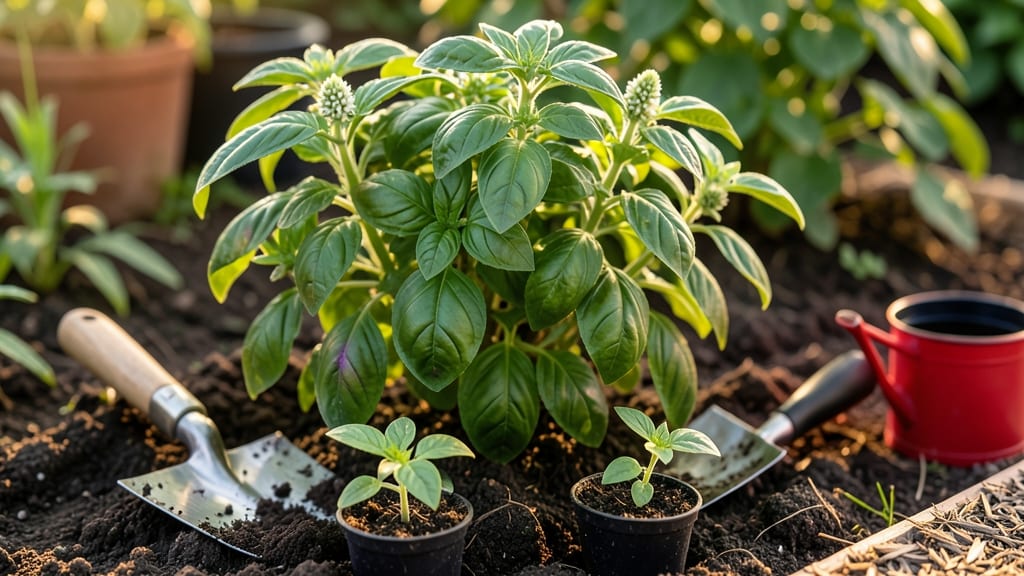
Timing your planting basil in NC can make or break your herb harvest—get it wrong, and you're left with stunted plants or worse, frost damage.
North Carolina's 7a-8b zones offer two perfect windows: spring after the last frost (mid-April to early June) and fall for a late-season harvest (late July to early August).
Why does timing matter so much? Basil 🌿 thrives in warmth but bolts quickly when stressed by cold. Plant too early, and you risk losing your crop to unexpected late frosts—something I learned the hard way in my first NC garden.
But with the right schedule, you can enjoy fresh basil from June through October.
In this guide, I'll break down the exact weeks before last frost for your region, plus pro tips to extend your growing season.
Whether you're a first-time gardener or a seasoned pro, these insights will help you grow basil that's lush, flavorful, and ready to harvest when you need it most.
From soil prep to companion planting, we'll cover everything you need to turn your NC garden into a basil paradise. Let's get started—your kitchen (and pesto) will thank you!
North Carolina basil planting dates by region: exact weeks before last frost
North Carolina’s diverse climate means your basil planting window varies dramatically from the Coastal Plain to the Mountains. The key is planting 2-4 weeks after your average last frost date, when soil temperatures hit at least 50°F.
For most NC gardeners, this falls between mid-April and early June for spring basil, with a second chance in late July to early August for fall harvests.
Basil is a warm-season annual, so rushing it can lead to stunted growth or frost damage. In Zone 7a (western NC), wait until May 15—planting earlier risks cold soil. Meanwhile, Zone 8b gardeners (Coastal NC) can start as early as April 1, taking advantage of milder winters.
Always check your local frost dates using the USDA Plant Hardiness Zone Map or your county extension office.
Here’s how to time it perfectly across NC’s three main regions:
| Region | Last Frost Date | Optimal Planting Window | Soil Temp Requirement | Fall Planting Window |
|---|---|---|---|---|
| Coastal Plain (Zone 8a-8b) | Mid-March to early April | April 1 – May 15 (2-4 weeks after frost) | 50°F+ | July 20 – August 15 |
| Piedmont (Zone 7b-8a) | Late March to early April | April 15 – May 1 (3-4 weeks after frost) | 55°F+ | July 30 – August 10 |
| Mountains (Zone 6b-7a) | Early to mid-April | May 1 – May 15 (4+ weeks after frost) | 60°F+ | August 5 – August 20 |
For direct sowing seeds, plant 1/4-inch deep and keep soil moist until sprouts appear (typically 7-14 days). If you’re transplanting seedlings, harden them off for 5-7 days before moving them outdoors. Avoid planting in low-lying areas, where cold air pools and delays warming.
Microclimates matter! Urban areas like Raleigh-Durham or Charlotte often warm up 1-2 weeks earlier than rural zones due to the urban heat island effect. If you’re in a microclimate, observe nearby gardens or use a frost calendar from your local extension service to fine-tune your timing.
Basil thrives in NC’s long growing season, but don’t wait too long. Planting after mid-June risks bolting (premature flowering) as days shorten. For a continuous harvest, stagger plantings every 2-3 weeks from spring through summer.
This ensures fresh basil from June through October, even if your first batch bolts.
If you’re growing basil in containers, start 2 weeks earlier than in-ground plants. Containers warm up faster in spring and can be moved to protected spots if frost threatens. Just ensure pots have drainage holes and use lightweight potting mix to prevent root rot in NC’s humid summers.
For fall harvests, prioritize Genovese or Sweet Basil varieties—they handle NC’s humid heat better than delicate types like Thai basil. Plant 8-10 weeks before your first frost (typically late July to early August) to ensure a full harvest before temperatures drop below 50°F.
Remember: Basil hates cold soil. Even if daytime temps are warm, soil temperature is what matters. Use black plastic mulch or row covers to warm the soil faster if you’re eager to plant early. And always water deeply after transplanting to help roots establish in NC’s often-dry spring soils.
With these region-specific planting dates, you’ll avoid the heartbreak of frost-damaged basil and enjoy a bountiful harvest all season long. Happy gardening! 🌿
How to extend basil’s growing season in NC: staggered planting and cold protection
North Carolina’s humid subtropical climate gives you two chances to grow basil—spring and fall—but with the right strategies, you can enjoy fresh leaves for nearly half the year. The key is staggered planting and protecting young plants from unexpected temperature drops.
I’ve learned that even in Zone 7b, a late frost in April or early October can wipe out your crop if you’re not prepared.
For a spring harvest, start seeds indoors 6-8 weeks before your last frost date (typically mid-March to early April in most of NC). Transplant seedlings outdoors 2-3 weeks after the last frost when soil temps hit 50°F.
In cooler mountain regions, wait until late April to avoid cold-sensitive seedlings.
For a fall harvest, plant seeds or seedlings late July to early August—this gives basil enough time to mature before first frost (mid-October to early November). In Coastal NC, you can push this to early September for a longer harvest window.
🌱 Pro Tips for Extending Basil’s Season
- Use row covers to protect seedlings from light frosts (28-32°F)—they trap heat while allowing sunlight and airflow.
- Plant in containers so you can move pots indoors or under a cold frame when temps drop below 50°F at night.
- Succession plant every 2 weeks in spring and fall to ensure a continuous harvest from June through October.
- Avoid planting too early—cold soil (below 50°F) stunts growth, making plants vulnerable to disease.
- Harvest aggressively in fall to encourage new growth before frost—pinch off flowers to delay bolting.
If you’re in Piedmont or Mountain NC, where nights can dip into the 40s°F unexpectedly, consider using a mini greenhouse or cloche for early spring starts.
I’ve had success with basil grown under a cold frame in Zone 7a, extending my harvest by 2-3 weeks in both spring and fall.
One mistake I made early on was planting basil too close to tomatoes—while they’re great companions, basil needs more space (12-18 inches apart) to avoid competition. Instead, pair it with peppers or lettuce, which thrive in similar conditions but won’t crowd your herbs.
With these strategies, you can turn your NC garden into a basil powerhouse, enjoying fresh leaves from late May to October—just in time for pesto season! 🌿