
Plants
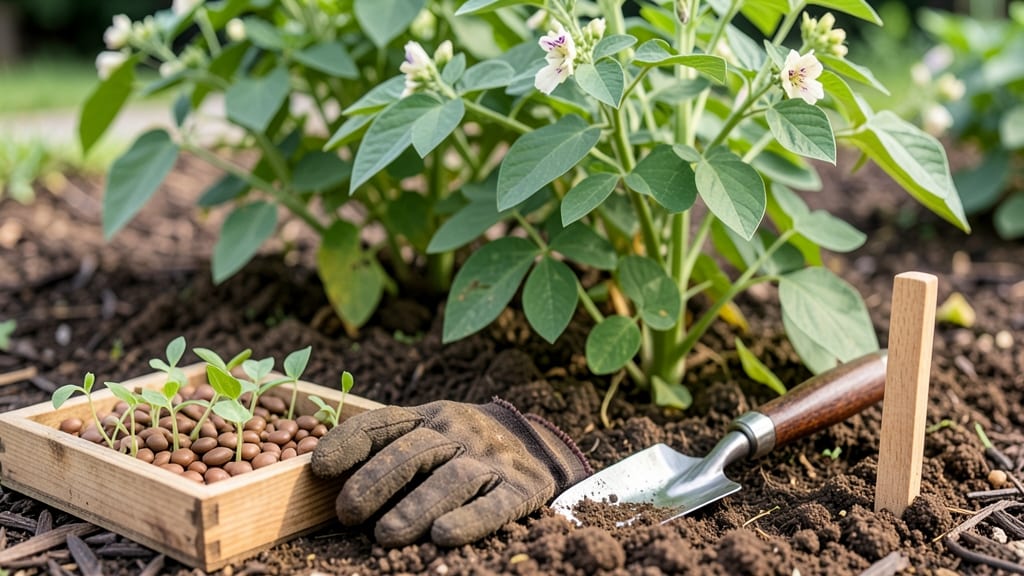
Timing your beans planting in Colorado can feel like a high-stakes game of chance—get it wrong, and frost might wipe out your entire crop before it even sprouts. The good news? With the right frost-free window strategy, you can grow thriving 🌱 plants from Denver’s plains to the mountain valleys.
Colorado’s diverse elevations create wildly different planting schedules, from April 15 in lower zones to late May in higher areas. That’s why understanding your local frost dates is the key to success.
Whether you’re growing bush beans or pole varieties, knowing when to plant ensures you maximize your harvest from July through September.
In this guide, I’ll break down the best planting windows by elevation, soil prep tips, and how to extend your growing season with simple tricks. No more guessing—just a foolproof plan for Colorado gardens.
Ready to grow beans that actually thrive? Let’s dive into the exact timing and techniques that work for your region.
Colorado bean planting zones: frost dates by elevation and region
Colorado’s microclimates make bean planting a high-elevation puzzle. The Front Range (Denver, Boulder) has different frost dates than the Western Slope (Grand Junction) or Eastern Plains (Fort Collins).
Understanding these zones ensures your beans thrive—not just survive. Let’s break it down by elevation and region for bush and pole beans alike.
For low-elevation areas (3,500–5,000 ft), like the Eastern Plains near Greeley, last frost typically hits April 15–May 1. Here, you can plant early-maturing varieties (50–60 days to harvest) as soon as soil warms to 55°F+.
In contrast, high-altitude gardens (6,000–8,000 ft), such as those in Aspen or Leadville, face last frosts as late as June 1, delaying planting by 6–8 weeks.
Here’s the elevation-based planting timeline you need to avoid frost damage and maximize your harvest:
| Region | Elevation Range | Last Frost Date | Planting Window | Best Varieties |
|---|---|---|---|---|
| Eastern Plains | 3,500–5,000 ft | April 15–May 1 | April 20–May 15 | Blue Lake, Kentucky Wonder |
| Front Range | 5,000–6,500 ft | May 1–15 | May 15–June 1 | Provider, Roma II |
| Western Slope | 4,000–6,000 ft | April 1–April 15 | April 10–May 10 | Blue Lake, Contender |
| High Altitude | 6,500–9,000 ft | June 1–15 | June 10–July 1 | Pole Beans (e.g., Kentucky Blue) |
The Western Slope (e.g., Grand Junction, Durango) enjoys earlier last frosts due to its desert climate, allowing 3–4 weeks earlier planting than the Front Range.
Meanwhile, high-altitude gardens in USDA Zone 5 or colder (like Steamboat Springs) may only get 90–120 frost-free days, making fast-maturing varieties a must. Use black plastic mulch to warm soil faster in these areas.
For pole beans, which take longer to mature, prioritize lower elevations where the growing season stretches into September. In Denver or Colorado Springs, aim to plant by May 15 to ensure harvests before the first frost in October.
If you’re in Zone 6 or higher, consider succession planting every 2 weeks for a continuous harvest.
Don’t forget to monitor local frost alerts—Colorado’s unpredictable mountain weather can push last frosts 2–3 weeks later than averages. Use row covers for an extra 2–3°F of protection if late frosts threaten.
For high-altitude gardens, extend the season with cold frames or greenhouses to plant 4–6 weeks earlier.
Pro tip: Test your soil temperature with a soil thermometer—beans won’t germinate below 55°F. In cool, high-elevation zones, wait until soil hits 60°F+ to ensure quick germination. This small step can mean the difference between a bountiful harvest and a failed crop.
Now that you’ve got your elevation-specific planting window, let’s tackle the next big question: Should you start with starter plants or direct sow? The answer depends on your microclimate and growing season length.
We’ll cover that in the next section—plus how to extend your harvest with clever techniques like succession planting and season extenders.
Direct sowing vs. starter plants: best methods for Colorado’s short growing season
Colorado’s short growing season forces tough choices: direct sow beans into cold soil or risk transplant shock with starter plants. I’ve tested both methods in USDA Zones 5-7, and the right approach depends on your elevation and last frost date.
For high-altitude gardens (6,000+ ft), starter plants give you a 2-3 week head start—critical for beating early frosts.
Direct sowing works best in lower elevations (4,000-5,000 ft) where soil warms faster. The key is waiting until soil hits 55°F+—use a soil thermometer to avoid planting too early. Cold, wet soil stunts root growth and invites fungal diseases like root rot.
Here’s my elevation-based breakdown for Colorado growers:
| Elevation Zone | Last Frost Date | Best Planting Method | Soil Temp Requirement | Pro Tip |
|---|---|---|---|---|
| Front Range (5,000-7,000 ft) | May 10-20 | Starter plants (April 15) | 55°F+ | Use black plastic mulch to warm soil faster |
| Western Slope (4,000-6,000 ft) | April 15-30 | Direct sow (May 1) | 60°F+ | Choose cold-tolerant varieties like 'Provider' or 'Kentucky Wonder' |
| Eastern Plains (3,500-4,500 ft) | April 1-15 | Direct sow (April 15) | 50°F+ | Sow succession crops every 2 weeks for continuous harvest |
For high-altitude gardens, I swear by row covers to extend the season. Lay them over starter plants after transplanting to trap heat—this can add 10-14 extra frost-free days. Just remove covers when flowers appear to prevent cross-pollination issues.
If you’re direct sowing, plant seeds 1 inch deep and space them 3-4 inches apart in rows 18-24 inches apart. Thin seedlings to 4-6 inches apart when they’re 2 inches tall—this prevents overcrowding and bean mosaic virus spread.
Pro move: Use biodegradable pots for starter plants to avoid transplant shock. Pop them straight into the ground with the pot still intact—roots stay undisturbed, and they’ll establish 30% faster than bare-root transplants.