
Plants
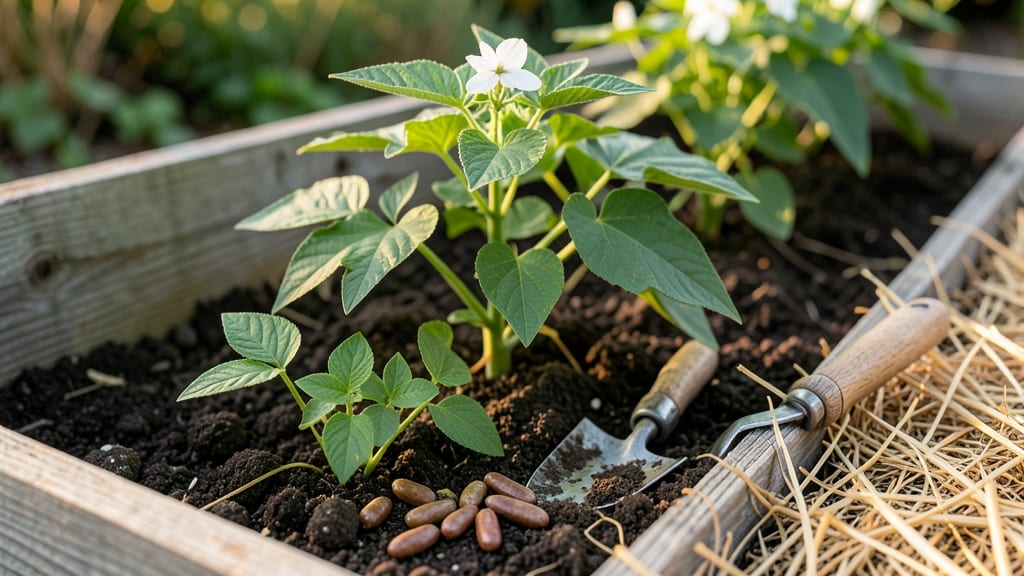
Timing your bean planting in Georgia can mean the difference between a thriving garden and a failed crop, especially when you're working with the state's 7b-8b climate zones.
The key to success isn't just avoiding frost—it's understanding when your soil warms up enough to support these warm-season plants, which thrive best when temperatures hit at least 60°F.
Most gardeners in Georgia plant beans in March-April for spring harvests or August-September for fall crops, but regional microclimates can shift these windows by weeks. Whether you're in the Piedmont's cooler hills or the Coastal Plain's humidity, knowing your last frost date and soil conditions is the most important step.
Let me show you exactly how to get it right.
Pole beans and bush beans have different needs, and choosing the wrong variety for your timing can lead to stunted growth or poor yields. We'll break down the best planting strategies for each type, plus how to extend your growing season with simple tricks like mulching or row covers.
Ready to grow a garden full of homegrown beans?
From soil temperature tests to county-specific adjustments, this guide covers everything you need to plant confidently. Whether you're a first-time gardener or a seasoned pro, these tips will help you maximize your harvest—no guesswork required.
Georgia bean planting dates by variety: pole vs bush beans explained
Georgia gardeners enjoy a 215-day frost-free season, perfect for growing both pole beans and bush beans. But timing depends on your USDA Zone (7b-8b) and whether you're planting in North Georgia's cooler Piedmont or South Georgia's warmer Coastal Plain.
Let's break down the best planting windows for each variety.
For spring plantings, aim for March 15–April 15 in most regions, but adjust based on soil temperature. Fall plantings should happen between August 1–September 15 to ensure harvest before the first frost. These windows maximize your 60–70°F soil warmth requirement—critical for germination.
Pole beans, like Kentucky Wonder or Rattlesnake, need warmer soil (70°F+) and thrive in longer growing seasons. Bush beans, such as Blue Lake or Contender, tolerate cooler soil (60°F+) and mature faster—ideal for North Georgia's shorter season.
🌱
| Variety Type | Spring Planting Window | Fall Planting Window | Soil Temp Requirement | Days to Harvest |
|---|---|---|---|---|
| Pole Beans (e.g., Kentucky Wonder) | April 1–May 15 (after last frost) | August 15–September 1 | 70°F+ | 55–70 days |
| Bush Beans (e.g., Blue Lake) | March 15–April 15 | July 20–August 15 | 60°F+ | 45–55 days |
| Dwarf Beans (e.g., Contender) | March 1–April 10 | July 10–August 10 | 60°F+ | 40–50 days |
🌱 Note: Adjust dates 1–2 weeks earlier for South Georgia and 1–2 weeks later for North Georgia.
In North Georgia (Athens, Dalton), cooler nights delay planting until April 1 for pole beans. Meanwhile, South Georgia (Tifton, Savannah) can start as early as March 15 due to warmer microclimates. For container gardening, use black plastic mulch to warm soil faster—critical for early plantings.
Pro tip: Stagger plantings every 2 weeks in spring to extend your harvest. For example, plant Blue Lake bush beans on March 15, April 1, and April 15 for a continuous supply. This works especially well in USDA Zone 8a, where summers are long and hot.
If you're growing heirloom varieties like Scarlet Runner, wait until after May 1—these need even warmer soil (75°F+) and longer daylight. For fall plantings, prioritize bush beans to avoid early October frosts, which can damage tender vines.
Remember: Soil temperature matters more than air temperature. Use a soil thermometer to confirm readiness—60°F+ for bush beans and 70°F+ for pole beans. If your soil is too cold, seeds may rot or fail to sprout, wasting your effort and seed investment.
For raised beds, soil warms 2–3 weeks faster than in-ground plots. This gives you a head start in North Georgia's cooler zones. Just ensure beds are south-facing to maximize sun exposure during early spring.
🌿
How to check soil temperature & avoid common planting mistakes in Georgia
Before you rush to plant your beans, checking soil temperature is the single most important step to avoid stunted growth or failed germination. Beans are warm-season crops that won’t thrive until the soil reaches at least 60°F, with ideal conditions between 65–75°F.
In Georgia, this typically aligns with mid-April in the north and early March in the south, but don’t guess—test it!
Many gardeners make the mistake of planting too early, especially in cooler microclimates like the Piedmont region. Cold soil slows germination and makes plants vulnerable to soil-borne diseases. Use a soil thermometer (available for under $10) to check temperatures at a 4-inch depth, where roots will be.
Morning is the best time to test, as temperatures fluctuate less.
If your soil is still below 60°F after your target planting date, try these quick fixes: Lay down black plastic mulch 1–2 weeks before planting to warm the soil faster, or use row covers to create a microclimate.
For container gardeners, place pots in a sunny, sheltered spot and pre-warm the soil with a heat mat if needed.
Common Planting Mistakes in Georgia
- Planting too early: Cold soil (<60°F) causes slow germination and disease risk. Wait until soil warms naturally.
- Ignoring microclimates: North Georgia (e.g., Athens) may need 2 weeks later than South Georgia (e.g., Savannah).
- Overcrowding seeds: Space seeds 1–2 inches apart; beans need room to grow. Thinning later prevents competition.
- Skipping soil prep: Beans thrive in well-draining, slightly acidic soil (pH 6.0–7.0). Add compost before planting.
Another critical mistake is overwatering after planting. While beans need consistent moisture, soggy soil can lead to root rot. Water deeply once a week (1–2 inches) and mulch with straw to retain moisture.
If your beans start yellowing or wilting soon after planting, it’s often a sign of overwatered or compacted soil.
For fall plantings (August–September), monitor your first frost date—typically mid-November in Georgia. Aim to plant 80–90 days before frost for a harvest. Use short-season varieties like ‘Contender’ or ‘Blue Lake’ if your growing window is tight. These adapt better to cooler fall temperatures than heat-loving varieties.
Pro tip: If you’re in a high-humidity area like the Coastal Plain, plant beans in raised beds to improve drainage and reduce fungal diseases like bean rust. Elevate beds at least 6 inches and ensure they’re at least 12 inches wide for easy access.