
Plants
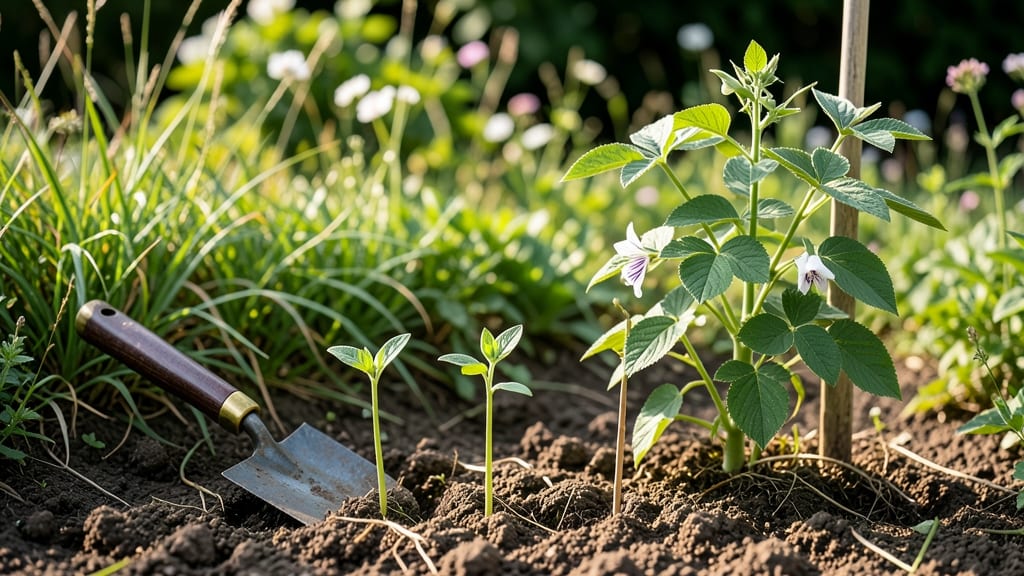
Timing your beans planting in Kentucky isn’t just about luck—it’s the difference between a garden full of lush 🌱 plants and a season of disappointment. With Kentucky’s 6a-7a zones, waiting until after the last frost (usually around April 15) ensures your seeds germinate quickly and thrive.
But here’s the catch: rushing too early can leave your beans struggling in cold soil, while planting too late might cut your harvest short before summer’s end.
Most gardeners in Kentucky focus on spring planting between April and June, but the real secret lies in soil temperature. Beans need warm soil—at least 60°F—to sprout fast, and that means waiting until late April or early May in cooler areas.
Whether you’re growing bush beans for quick harvests or pole beans for a longer season, getting this timing right is your ticket to a garden bursting with flavor.
Don’t let common mistakes derail your harvest—like planting too deep or ignoring your local microclimate. I’ll break down the exact steps to time your planting for fast germination, from pre-sprouting seeds in cooler zones to using row covers for early starts.
Plus, I’ll share which bean varieties work best in Kentucky’s short growing season, so you can avoid the frustration of waiting too long for those first crisp pods.
Ready to turn your Kentucky garden into a bean bonanza? Let’s dive into the zone-specific deadlines and pro tips that’ll have you picking fresh beans from July through September. Your future self (and your taste buds) will thank you!
Kentucky planting zones 6-8: exact dates for bean germination success
Kentucky’s USDA Zones 6-8 create unique challenges for bean growers, where last frost dates can vary by 2-3 weeks across regions. In Zone 6 (northern KY), aim for April 20–May 10, while Zone 7-8 (Louisville, Lexington) can start as early as April 1–April 15.
These windows ensure soil stays above 55°F—the minimum for germination—while avoiding late frosts that can kill young seedlings.
For pole beans (like Kentucky Wonder), which need a longer season, plant April 15–May 1 to allow 90-100 days to maturity. Bush beans (e.g., Blue Lake) mature faster (50-60 days), so you can stretch your harvest by making succession plantings every 2 weeks until June 15.
Fall plantings are risky in KY but possible in Zone 8 with mid-August sowings for harvest before frost.
Use the Kentucky Mesonet or UK Extension Service to track local frost dates—tools like their Frost Freeze Forecast can adjust your timeline by ±5 days based on microclimates. For example, elevated areas like the Cumberland Plateau may need to wait 10 days longer than Louisville’s urban heat islands.
Soil temperature is more critical than air temperature for bean germination. Use a soil thermometer to confirm 60–65°F at 2-inch depth—cold soil (50°F) delays sprouting by 3–5 days.
In Zone 6, wait until May 1 if April soil stays below 55°F. For faster results, soak seeds overnight in warm water before planting.
Kentucky’s humidity and clay soil can also affect timing. If your garden has poor drainage, plant 1–2 weeks later to avoid waterlogged seeds. Amend soil with compost or sand to improve aeration.
In sandy soils (common in western KY), you can plant 1 week earlier since they warm faster.
Pro tip: Plant a test row of radishes 2 weeks before your target date—they sprout in 7–10 days and signal safe soil temps. If radishes thrive, your beans are ready to go!
For pole beans, install trellises now (they grow 1–2 inches/day), but wait until soil is warm to plant.
Remember: Late frosts in KY’s Zone 6 (e.g., May 10–15) can still damage young plants. Use frost cloth or plant near tall crops (corn, sunflowers) to create a microclimate. If frost hits after true leaves appear, cover plants immediately—they’re surprisingly resilient!
For container gardening in KY, start seeds indoors 2–3 weeks earlier (mid-March) and transplant after last frost. Containers warm up faster than ground soil, so adjust your timeline accordingly. Use black pots to absorb heat if extending your season.
🌱
5 Critical factors that determine the best planting time for Kentucky beans
When it comes to planting beans in Kentucky, soil temperature is your first critical factor. Beans need soil that’s warmed to at least 60°F for fast germination. In Zone 6a areas, this usually means waiting until late April, while Zone 7a gardeners can start as early as mid-April.
A soil thermometer is your best friend here—planting too soon in cold soil leads to rotten seeds and wasted effort.
Next, last frost dates dictate your planting window. Kentucky’s last average frost typically falls around April 15, but microclimates near lakes or mountains can push this back by 2-3 weeks.
Always wait 2 weeks after the last frost before planting beans, as even light frosts can damage tender seedlings. Check your local UK Extension Service frost maps for precise timing.
Don’t overlook nighttime temperatures—beans struggle when nights dip below 50°F. In Kentucky’s cooler spring nights, consider using row covers or planting in black plastic mulch to warm the soil faster.
This simple trick can extend your planting window by 1-2 weeks, especially in Zone 6a where spring nights linger cooler.
Humidity levels in Kentucky’s spring can swing wildly, creating perfect conditions for fungal diseases like bean rust. Aim for 40-60% humidity around your plants by spacing them 4-6 inches apart and ensuring good airflow. If your area tends toward high humidity (like western Kentucky), consider planting on raised beds to improve drainage and reduce disease risk.
Finally, companion planting can shift your planting window by 2-3 weeks. Pairing beans with corn or cucumbers creates a microclimate that retains heat longer in the soil. The corn provides shade that keeps roots cooler, while cucumbers deter pests like bean beetles.
This natural partnership lets you start beans 10-14 days earlier than solo plantings, giving you an extended harvest window.
Pro tip: For Zone 6a gardeners, pre-sprout your seeds indoors under grow lights 7-10 days before your target planting date. This head start compensates for Kentucky’s slower soil warming and gives you a jump on the growing season.
Just be sure to harden off seedlings for 3-5 days before transplanting to avoid shock.