
Plants
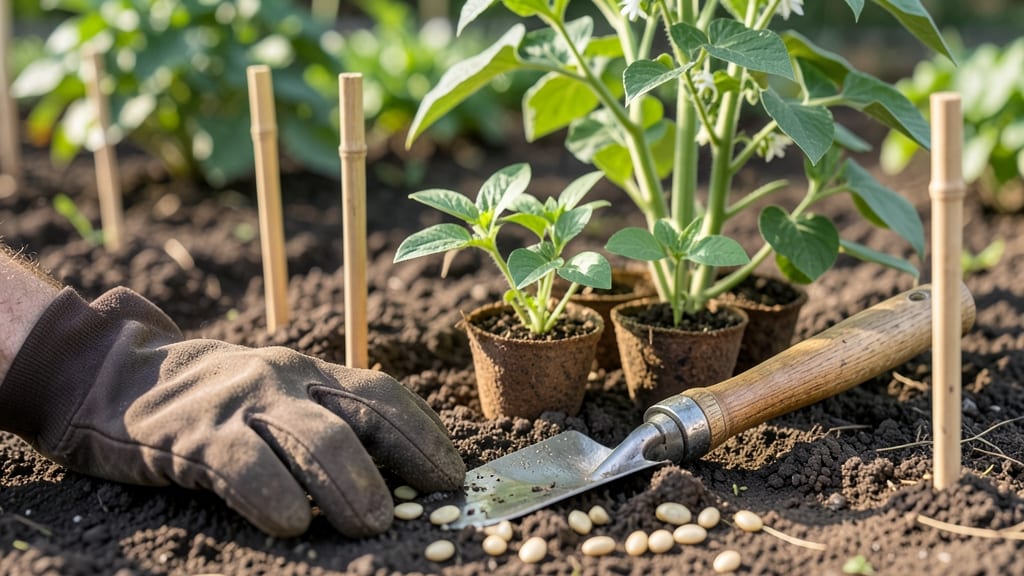
When to plant beans in Massachusetts just right is the difference between a thriving garden and a wasted effort—especially when coastal Boston enjoys a 2-week longer growing season than inland areas like Worcester.
Most gardeners here wait until April 15 (after the last frost), but soil temperature is the real game-changer. Bush beans need 50°F+, while pole beans thrive at 60°F+—and a simple paper towel test can tell you when it’s safe to plant without guessing.
Microclimates matter too: coastal gardens stay warmer longer, while inland spots like the Berkshires may need row covers for early starts. I’ll break down the exact windows, soil tests, and variety picks to maximize your harvest from July through September.
Ready to avoid the common mistakes that leave Massachusetts gardens empty-handed? Let’s get your beans in the ground at the perfect moment for reliable, abundant harvests this year.
Massachusetts bean planting calendar: soil temperature rules for pole vs. bush beans
Massachusetts' USDA Zones 5b-7a create a 165-day frost-free window, but beans need precise timing. Bush beans tolerate cooler soils (50°F+), while pole beans thrive only when soil hits 60°F+.
In Boston, the last frost typically arrives April 15, but inland areas like Worcester can wait until May 1—so check your local frost date first.
For a reliable harvest, align planting with soil temperature, not just calendar dates. Use a soil thermometer (or DIY tests we’ll cover later) to confirm readiness. Coastal areas like Cape Cod may plant 2 weeks earlier than inland zones due to maritime microclimates that warm faster.
Here’s the golden window for Massachusetts:
- Bush beans: April 20–May 15 (soil 50°F+)
- Pole beans: May 10–June 1 (soil 60°F+)
- Succession plantings: Every 2 weeks until June 15 for continuous harvests
| Bean Type | Ideal Soil Temp | Planting Window (MA) | Harvest Time | Microclimate Notes |
|---|---|---|---|---|
| Bush Beans (e.g., Blue Lake, Contender) | 50°F+ | April 20–May 15 | July–August | Cooler inland zones (e.g., Berkshires) |
| Pole Beans (e.g., Kentucky Wonder, Rattlesnake) | 60°F+ | May 10–June 1 | August–September | Warmer coastal/southern MA |
| Heirloom Beans (e.g., Jacob’s Cattle, Romano) | 55°F+ | April 25–May 20 | July–September | Versatile; adapt to most MA zones |
Massachusetts’ microclimates can shift planting windows by 2+ weeks. Coastal areas like Provincetown or New Bedford often see warmer soils 1–2 weeks earlier than inland spots like Worcester or Springfield. Use a local frost date tracker (like Almanac.com) and adjust your schedule accordingly.
If you’re in Zone 5b (e.g., North Adams), err on the later side of these windows—cold snaps can linger. For Zone 7a (e.g., Nantucket), you might even squeeze in a fall planting of cold-tolerant varieties like Wax Beans in late August.
For extended harvests, try succession planting: Sow bush beans every 2 weeks from April 20–June 15. This ensures a steady supply of fresh pods from July–September. Pole beans, with their longer vines, benefit from one late-May planting for a late-summer bounty.
Always harden off seedlings (if starting indoors) for 7–10 days before transplanting. Massachusetts’ unpredictable spring weather can bring late frosts—use row covers or cloches to protect young plants until they’re 3–4 inches tall.
Remember: Soil temperature > calendar dates. A 50°F soil in early April might be safe for bush beans, but a 45°F soil in late May after a cold snap? Wait it out. Use the soil thermometer test we’ll cover next to avoid costly mistakes.
🌿 For heirloom varieties, like Romano beans, aim for mid-May—they need consistent warmth to develop their signature flavor.
And if you’re growing dwarf beans (e.g., Mascotte), they’re forgiving enough to handle slightly cooler soils (48°F+), making them ideal for early April plantings in Zone 6+.
Massachusetts bean planting calendar: soil temperature rules for pole vs. bush beans
Massachusetts’ USDA Zones 5b-7a mean your bean planting window hinges on soil temperature, not just frost dates.
While Boston’s coastal warmth lets you start 2 weeks earlier than inland Worcester, both regions share one critical rule: bush beans need soil at 50°F+, while pole beans require 60°F+ to thrive. Ignore this, and you’ll either wait too long for germination or risk frost damage.
Most gardeners in Zone 6 (central MA) aim for mid-May as their safety date, but using a soil thermometer (or even a DIY test) can shave off 1-2 weeks of guesswork.
For example, my heirloom Kentucky Wonder pole beans failed last year because I planted in early May—soil was only 55°F, and germination stalled for 10 days.
Here’s the breakdown by region: Boston/coastal areas can start April 20-May 10 (soil warms faster near water), while inland zones (Berkshires, Worcester) should wait until May 10-20. The key? Test soil depth at 2 inches—surface temps can mislead you.
🌱
| Bean Type | Ideal Soil Temp | MA Planting Window | Notes |
|---|---|---|---|
| Bush Beans | 50°F+ | April 20–May 10 (coastal) May 10–20 (inland) |
Faster germination; harvest in 50 days |
| Pole Beans | 60°F+ | May 1–June 1 (all regions) | Slower start but longer harvest (70+ days) |
| Heirloom Varieties | 55°F+ (avg) | April 25–May 15 (coastal) | Test seeds first—some need warmer soil |
Don’t overlook succession planting: After your first harvest in July, replant bush beans every 2 weeks until August 1 to extend your season.
Inland areas can even squeeze in a fall crop of cold-tolerant varieties like ‘Tendergreen’ by August 15, using row covers to protect from early frosts.
Pro tip: Mark your calendar for June 1 as the absolute cutoff—after that, beans planted in Massachusetts won’t mature before the first frost (October 15). I learned this the hard way with a late-July planting that produced tiny, stunted pods by September.
🌡️