
Plants
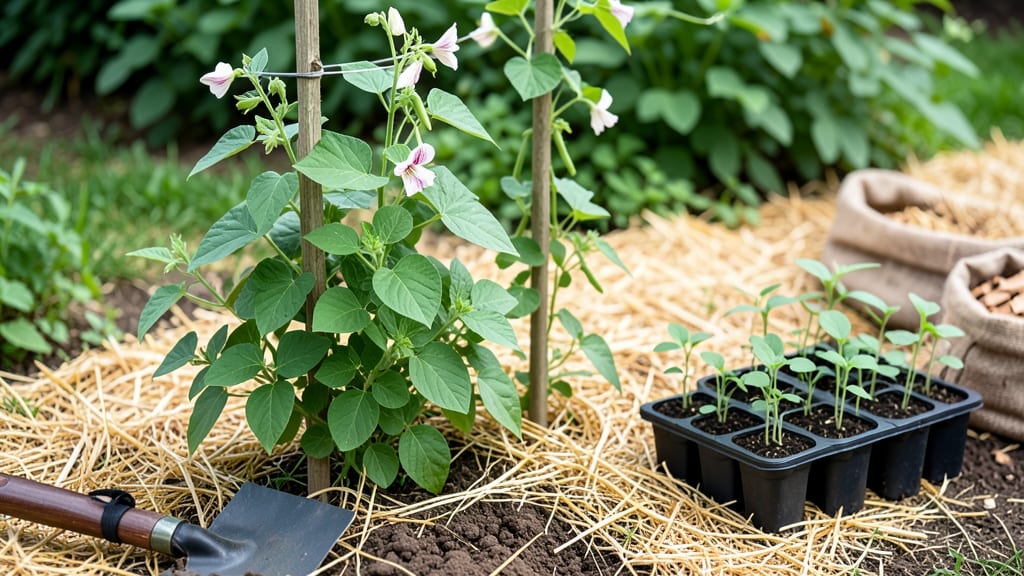
If you've ever planted beans in Oklahoma only to watch them bolt before producing a single pod, you're not alone—and the solution is simpler than you think.
The perfect planting window for beans in Oklahoma depends on your specific microclimate, where even neighboring towns can have 2-week differences in soil warming.
Most gardeners in Oklahoma's USDA zones 6a-8a know spring is the prime time to plant beans, but timing matters more than you'd expect. Plant too early, and cold soil delays germination; too late, and summer heat sends beans into premature flowering.
The key is waiting until soil temperatures hit 60°F—a threshold that varies wildly across the state.
What sets Oklahoma apart is its dramatic shifts in weather. While northern regions like Tulsa might see their last frost in early April, western areas like Lawton can still experience chilly nights in May.
This means your planting schedule should align with your local frost-free date plus soil warmth—not just calendar months.
In this guide, I'll break down the exact planting windows for your corner of Oklahoma, plus pro tips to ensure fast germination and a bountiful harvest.
Whether you're growing pole beans, bush beans, or limas, getting the timing right is the secret to avoiding wasted effort—and ending up with a garden full of fresh, homegrown pods.
Oklahoma bean planting zones: exact dates by microclimate (north vs. south vs. west)
Oklahoma’s USDA zones 6a-8a create dramatic differences in planting windows—what works in Tulsa (Zone 7a) may fail in Altus (Zone 7b) or Lawton (Zone 7a). The key? Soil temperature thresholds of 60-65°F for germination, paired with last frost dates that vary by 2-3 weeks across regions.
Northern Oklahoma (e.g., Oklahoma City, Norman) typically has April 15-May 1 as the ideal window for early varieties, while southern areas (e.g., Tulsa, Lawton) can start as early as March 20-April 5. Western Oklahoma’s higher elevations often push planting back until May 1-15 to avoid late frosts.
For pole beans and bush beans, aim for 60-75 days before first frost. Oklahoma’s first frost dates range from October 15 (north) to November 15 (south), so late summer plantings (August) work for heat-tolerant varieties like ‘Contender’ or ‘Blue Lake’.
| Region | USDA Zone | Last Frost Date | Optimal Planting Window | Soil Temp Threshold |
|---|---|---|---|---|
| Northern OK (Oklahoma City) | 6b-7a | April 15 | April 15-May 1 | 60-65°F |
| Central OK (Tulsa, Lawton) | 7a-7b | March 20-April 5 | March 20-April 15 | 60-65°F |
| Southern OK (Altus, Ardmore) | 7b-8a | March 15-April 1 | March 15-April 10 | 65-70°F |
| Western OK (Claremore, Elk City) | 6b-7a | April 20-May 5 | May 1-15 | 60-65°F |
🌱 Pro Tip: Use a soil thermometer to confirm 60°F+ before planting.
For lima beans, which thrive in warmer soil (70°F+), wait until May 15-June 1 in most regions. These heat-lovers bolt quickly if planted too early, so avoid northern Oklahoma before late May.
Oklahoma’s summer heat (90°F+) can stress beans, so late July-August plantings work best for short-season varieties like ‘Black Valentine’. Always water deeply to prevent pod shattering during harvest.
If you’re in Zone 8a (southwest OK), you can even try a fall planting in August-September for a winter harvest, though yields may be smaller. Use row covers to protect from early frosts.
Remember: Direct sowing is best for beans—they hate transplanting. Use 1-inch deep rows, 3-4 inches apart for bush beans, and 4-6 inches apart for pole beans to give roots room to spread.
For container gardening in Oklahoma, choose compact varieties like ‘Mascotte’ and plant in 5-gallon pots with well-draining soil. Containers warm up faster, so you can plant 2-3 weeks earlier than in-ground.
Track your local frost dates using the Oklahoma Mesonet for real-time updates. A 5-day forecast of 50°F+ is your green light to plant!
How to adjust planting for Oklahoma’s unpredictable weather (heat waves, droughts, and late frost)
Oklahoma’s weather can shift faster than a summer storm, leaving your bean seedlings vulnerable to late frosts, sudden heat waves, or drought stress. The key to success is flexibility—adjusting your planting strategy based on real-time conditions rather than sticking to a rigid calendar.
Start by monitoring your local soil temperature using a soil thermometer. Beans need soil that’s consistently 60°F or warmer to germinate properly. In northern Oklahoma, this might not happen until mid-to-late May, while southern regions could be ready by early April.
If your soil is still cold, hold off planting—cold soil delays germination and invites rot.
Here’s the biggest mistake I see gardeners make: planting too early and relying on row covers to “save” their beans. Row covers can help, but they’re not a substitute for warm soil.
If your beans sprout but the soil stays cool, they’ll grow slowly and become weak, making them more susceptible to pests like slugs or fungal diseases.
⚠️ Late Frost Warning
Never plant beans outdoors before your average last frost date—even if the air feels warm. A single 28°F night can kill seedlings overnight. Use frost-free date maps from your local Cooperative Extension office to guide your timing.
To extend your growing season, try these three proven strategies:
- Use black plastic mulch to warm soil faster and suppress weeds.
- Plant in raised beds—they heat up quicker than in-ground soil.
- Choose heat-tolerant varieties like ‘Contender’ or ‘Fordhook,’ which handle Oklahoma’s summer heat better than standard beans.
Drought is another Oklahoma wildcard. Beans need consistent moisture, especially during flowering. If rain is scarce, water deeply every 2-3 days in the morning to reduce evaporation.
A drip irrigation system is ideal—it delivers water directly to the roots without wetting the leaves, which helps prevent fungal diseases like rust.
Finally, keep an eye on the 7-day forecast. If a heat wave is coming, delay planting until temperatures drop below 90°F. Beans struggle to set pods when daytime highs exceed 85°F, so timing your planting for cooler periods maximizes your yield.
With these adjustments, you’ll turn Oklahoma’s unpredictable weather into an advantage—not an obstacle. Your beans will germinate faster, grow stronger, and produce more pods than ever before.