
Plants
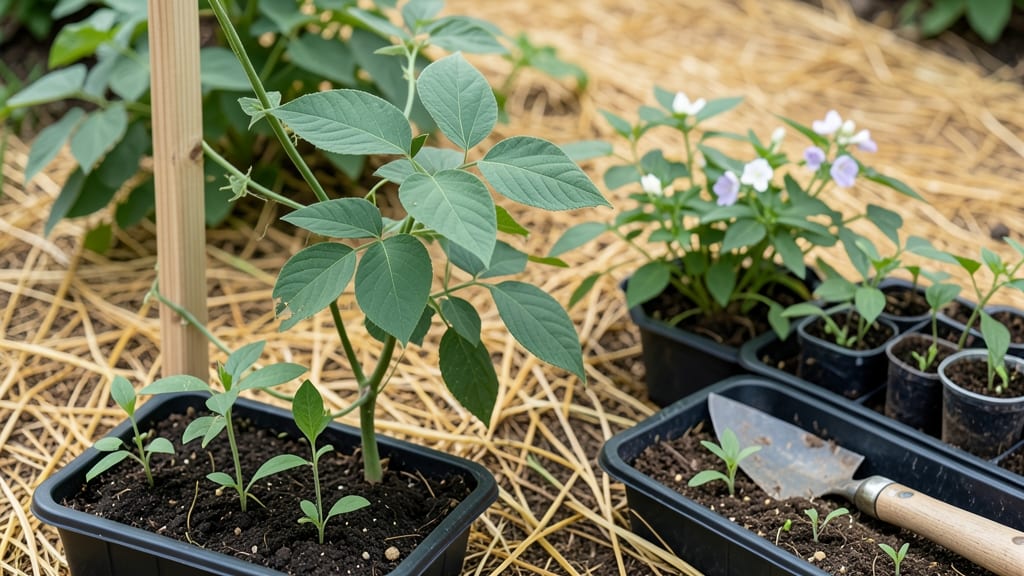
Timing your bean planting in Zone 7 can make or break your harvest—get it wrong, and you’ll watch your seeds rot in cold soil or bolt in summer heat. The key isn’t just waiting for spring; it’s tracking soil warmth, which most gardeners overlook until it’s too late.
I’ve planted 🌱 beans for years in Zone 7, and the difference between a 50°F morning and a 60°F+ soil bed is night-and-day for germination.
Skip the guesswork: Learn exactly when to sow for reliable sprouts, whether you’re growing bush varieties for early harvests or pole beans that climb all summer.
This isn’t about memorizing dates—it’s about reading your soil’s cues. We’ll cover the ideal planting windows (April–May and August–September), how to test soil temperature like a pro, and why some varieties thrive in Zone 7’s unpredictable springs while others flop.
Ready to turn seed packets into a bountiful harvest? Let’s dive into the science behind Zone 7’s perfect planting moments—no more wasted seeds or missed opportunities.
Zone 7 bean planting timeline: exact weeks by soil temperature
In Zone 7, timing your bean planting isn't just about avoiding frost—it's about soil temperature. Beans need soil at 60°F+ to germinate reliably, and planting too early can leave seeds rotting in cold soil.
Let's break down the exact weeks to plant for both spring and fall crops based on your local climate patterns.
Most Zone 7 gardeners should aim for late April to early May for spring planting, but this varies by microclimate. For example, areas with warmer microclimates (like near south-facing walls) can plant 2-3 weeks earlier, while cooler valleys may need to wait until mid-May.
Always check your last frost date—typically around April 15 in Zone 7.
For fall planting, focus on late summer (August) to early September. This gives beans 60-70 days to mature before first frost (around October 15). Fall beans often produce sweeter pods because cooler nights reduce starch buildup.
Here’s the key rule: Never plant beans when soil temps are below 50°F, or germination will fail. Use a soil thermometer (or the back-of-your-hand test) to confirm readiness. If your soil is too cold, wait—beans won’t wait for you!
| Planting Window | Soil Temp Requirement | Days to Maturity | Notes |
|---|---|---|---|
| Late April - Early May | 60°F+ (consistently) | 50-65 days | Spring planting; avoid if frost risk remains. |
| Mid-May | 65°F+ (ideal) | 45-55 days | Warmer microclimates; faster germination. |
| Late August - Early September | 60°F+ (daytime) | 50-60 days | Fall crop; harvest before first frost. |
| Early September (high-altitude) | 55°F+ (minimum) | 60-70 days | Cooler areas; use fast-maturing varieties. |
If you're unsure about your local frost dates, check with your local Cooperative Extension Service or use a frost calendar for your city. For example, Atlanta, GA (Zone 7b) typically has its last frost around March 15, while Raleigh, NC (Zone 7a) averages April 1.
These differences matter!
For pole beans, which take longer to mature, plant 1-2 weeks earlier than bush beans. Pole beans also benefit from warmer soil to support their climbing structures. If you’re growing both, stagger your planting by 10-14 days to extend your harvest window.
One common mistake is planting beans too early in hopes of an earlier harvest. But cold soil leads to rotten seeds and poor stands. Instead, focus on soil warmth and frost-free dates.
If you’ve had a cool spring, consider starting seeds indoors in biodegradable pots and transplanting after soil warms.
Remember, Zone 7’s unpredictable springs can throw off even the best-laid plans. Always have a backup planting date—usually 2-3 weeks later—ready in case of unexpected cold snaps. With the right timing, you’ll enjoy fresh beans from June through October!
Zone 7 bean planting timeline: exact weeks by soil temperature
Zone 7 gardeners have a 165-day frost-free window, but timing your bean planting isn’t about counting days—it’s about soil temperature.
Beans need soil at least 60°F to germinate reliably, and waiting for the average last frost date (April 15) can leave your seeds sitting in cold, damp soil for weeks.
I’ve learned the hard way that planting too early means rotten seeds, while waiting too long risks summer bolting. The sweet spot? Start when soil hits 60°F—usually late April to early May—and repeat in late August for a fall harvest.
🌱 Key Rule: Never plant before soil warms to 50°F (beans may sprout but die in cold snaps), and avoid planting after July 15 (pods won’t mature before frost).
| Planting Window | Soil Temp | Variety Notes |
|---|---|---|
| Late April | 55–60°F | Cold-tolerant bush beans (e.g., 'Contender') |
| Early May | 60–65°F | Pole beans (e.g., 'Kentucky Wonder') for summer harvest |
| Late August | 65–70°F | Fast-maturing 'Blue Lake' for fall pods |
For northern Zone 7 (e.g., Cincinnati, Richmond), aim for May 1–15—cooler soils delay germination. In southern Zone 7 (e.g., Atlanta, Raleigh), you can plant as early as April 15 if soil warms early.
Pro Tip: Use black plastic mulch to warm soil 5–10°F faster in early spring. This lets you plant 2 weeks earlier without risking cold damage.
Don’t forget the fall planting window! Sow 8–10 weeks before first frost (by August 1) for a second harvest before winter sets in. Just choose dwarf varieties to avoid frost damage.