
Plants
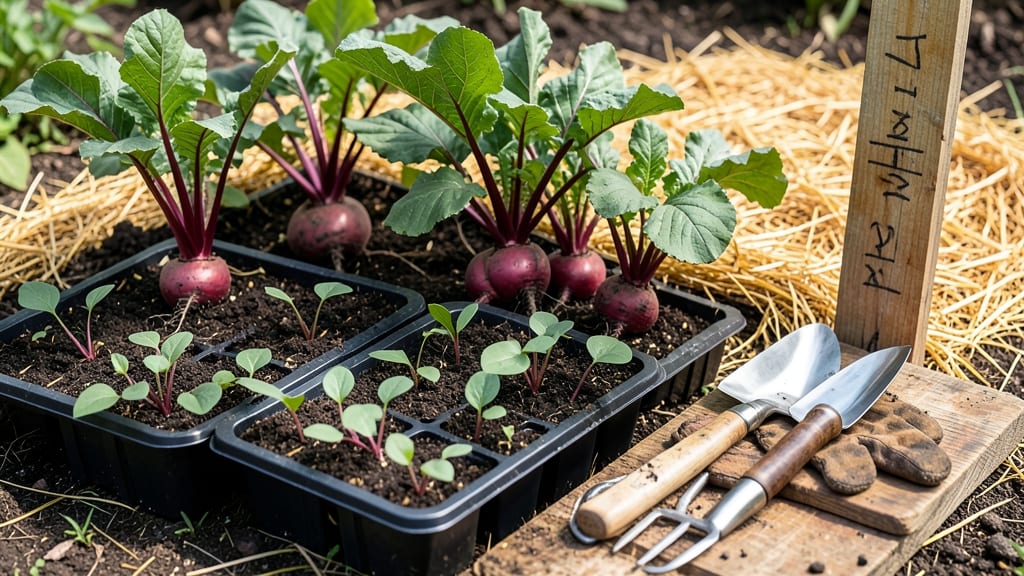
Timing your 🥕 beet planting in Indiana isn't just about luck—it's the difference between tender, sweet harvests and bitter disappointment. If you've ever watched your beets bolt before reaching their peak flavor, you know how frustrating that can be.
Indiana's Zone 6a climate gives you two perfect windows to grow these earthy roots: early spring and late summer. But getting the timing right means avoiding those early frosts in April or the heat waves that can stress young plants.
Let me show you exactly when to plant for the crispest beets all season long.
We'll cover the ideal planting months, how to adjust for Indiana's unpredictable weather, and which varieties thrive best in your region. Whether you're a first-time gardener or a seasoned green thumb, these tips will help you grow beets that are sweeter, crisper, and more abundant than ever before.
Ready to transform your garden into a beet bonanza? Let's dive into the perfect planting schedule that will have you harvesting delicious roots from June through November.
Indiana’s ideal beet planting windows: Zone 5-6 specific timeline
Indiana’s Zone 5-6 climate gives you two prime windows to grow crisp, flavorful beets: early spring and late summer. Timing these correctly ensures you avoid bolting (premature flowering) and maximize your harvest before first frost hits around mid-October.
Let’s break down the exact dates and conditions for each window.
For spring planting, aim to sow seeds 4-6 weeks before your last frost date—typically between late March and mid-April in most of Indiana. Soil temperatures should reach at least 50°F for consistent germination.
In northern Indiana, this might mean waiting until early April, while southern Indiana gardeners can start as early as late March.
Your second planting window opens in late July to early August, allowing you to harvest beets before winter sets in. This summer-fall planting works because beets are cool-season crops that tolerate light frosts.
Just be sure to plant early enough so roots mature before first frost (usually October 15 in Indiana).
Here’s a quick reference for Indiana’s beet planting timeline, including soil temperature thresholds and frost-free dates:
| Planting Window | Soil Temp Threshold | Last Frost Date | Harvest Window |
|---|---|---|---|
| Early Spring | 50°F+ | April 15 (avg.) | June–July |
| Late Summer | 50°F+ | October 15 (avg.) | October–November |
| Northern IN Adjustment | Wait until April 1 | October 10 | Shorter window |
| Southern IN Adjustment | Start March 20 | October 20 | Extended harvest |
Pro tip: Use a soil thermometer to confirm temperatures—cold soil delays germination. If your soil is still chilly, consider black plastic mulch to warm it up faster. For container growing, start seeds indoors 4-6 weeks before transplanting outside.
Missed the spring window? Don’t panic! Succession planting every 2-3 weeks in late summer can still yield a fall harvest. Just avoid planting too close to frost—beets need 50-60 days to mature, so aim for a July 15-August 15 sowing for a late-season crop.
Indiana’s microclimates can vary dramatically—even within 50 miles. If you’re in a low-lying area, frost may arrive earlier, while higher elevations might have a longer growing season. Always check your local frost date averages and adjust accordingly.
One common mistake? Planting beets too early in cold soil, which leads to slow germination or rot. Wait until soil temps are consistently 50°F or warmer—your seeds will thank you with fast, even sprouting.
For a continuous beet supply, stagger plantings every 2 weeks from March to August. This ensures you always have young, tender beets ready to harvest, whether you’re roasting them for dinner or storing them in the root cellar.
Indiana’s ideal beet planting windows: Zone 5-6 specific timeline
Indiana’s Zone 5-6 climate creates two prime windows for growing 🥕 beets: early spring and late summer. The key is planting when soil temperatures hit 45-50°F—too cold, and seeds rot; too hot, and they bolt prematurely.
For most of Indiana, this means March 15 to April 15 for spring and July 1 to August 15 for fall.
Northern Indiana (like Gary or Fort Wayne) has earlier frost risks than southern areas (like Evansville). Use your last frost date (typically April 15) as your guide: plant spring beets 4-6 weeks before this date, so they mature before summer heat sets in.
| Planting Window | Soil Temp | Frost Risk | Harvest Time |
|---|---|---|---|
| Early Spring (March 15-April 15) | 45-50°F | Low (after April 15) | June-July |
| Late Summer (July 1-August 15) | 50-60°F | High (after Oct 15) | October-November |
For northern Indiana, aim for March 20-April 1 to avoid late frosts. Southern Indiana gardeners can push to April 15 safely. Always test soil with a thermometer—beets need consistent warmth to grow properly.
Fall plantings should start 8-10 weeks before your first frost (usually October 15 in Indiana). This gives beets time to mature before winter sets in. Use row covers if nights dip below 40°F to protect tender seedlings.
Pro tip: Direct-sow seeds instead of starting indoors—beets hate transplanting and develop woody roots. Plant ½ inch deep and keep soil moist until germination (7-14 days). Thin seedlings to 2-3 inches apart once they’re 2 inches tall.
With these timing tricks, you’ll avoid the bitter, fibrous beets that result from poor scheduling. Next, we’ll tackle Indiana’s unpredictable weather and how to adapt your planting plan when Mother Nature throws curveballs. 🌱