
Plants
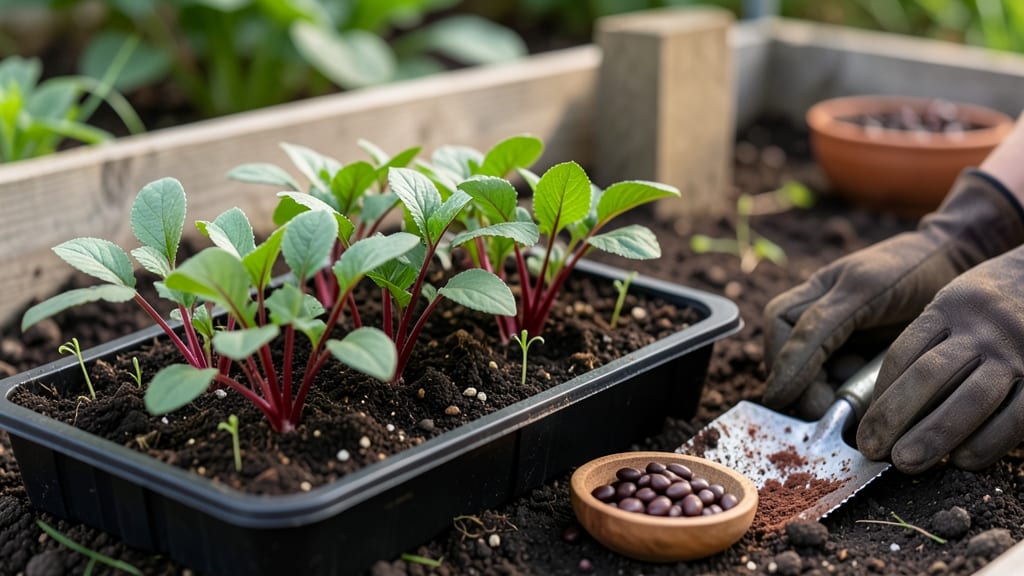
Timing your beet planting in North Carolina can mean the difference between a bountiful harvest and a bitter disappointment—especially when you're dealing with Zone 7a-8b variations.
Whether you're in the mountains or coastal plains, getting those seeds in the ground at the right moment ensures sweet, tender roots instead of tough, woody messes.
Most gardeners in North Carolina know beets thrive in cool weather, but did you know the perfect window shifts depending on your exact location?
In the mountains, you might plant as early as March 15, while coastal gardeners should wait until late March or early April to avoid frost damage. The key is understanding your last frost date—because planting too soon can turn your 🍠 into a sad, stunted experiment.
Here's the game-changer: with just two main planting seasons—spring and fall—you can enjoy fresh beets from June through November. But there's more to it than just dates. Soil temperature, succession planting, and even variety selection play crucial roles in maximizing your yield.
Let me walk you through the exact steps to make your beet-growing season a success, no matter where in North Carolina you're planting.
Ready to transform your garden into a beet paradise? You'll discover how to avoid common mistakes, extend your harvest, and pick the perfect varieties for your zone—so you're not left with a patch of disappointed greens. Let's get those seeds in the ground the right way, the first time.
North Carolina beet planting calendar by Zone (7a vs 8b)
North Carolina’s diverse climate zones mean your beet planting schedule should vary between Zone 7a (mountains) and Zone 8b (coastal). The key difference? Frost dates—Zone 7a gets colder winters, while Zone 8b can grow beets year-round with protection.
Let’s break down the optimal planting windows for each zone to maximize your harvest.
For Zone 7a, your last frost typically arrives around April 15, while Zone 8b sees frost-free conditions by March 1 in coastal areas. First frost in Zone 7a arrives by November 1, but Zone 8b can extend harvests until December with row covers.
These differences mean Zone 8b gardeners have a 2-month advantage for fall planting!
Both zones share soil temperature requirements: beets germinate best when soil reaches 50°F. In Zone 7a, this usually happens by late March, while Zone 8b can start as early as February. Use a soil thermometer to confirm—cold soils delay germination and invite pests.
Here’s your zone-specific planting timeline, including early spring, fall, and overwintering options for Zone 8b:
| Zone | Planting Window | Soil Temp Threshold | Last Frost Date | Harvest Window | Overwintering Option |
|---|---|---|---|---|---|
| Zone 7a | March 20 - April 15 (spring) August 1 - September 10 (fall) |
50°F+ | April 15 | June - July (spring) October - November (fall) |
None (frost-sensitive) |
| Zone 8b | February 15 - March 30 (spring) July 15 - September 30 (fall) November (overwinter) |
50°F+ | March 1 (coastal) | April - May (spring) September - December (fall) |
Yes (with row covers) |
In Zone 7a, focus on spring planting (March 20–April 15) for a June–July harvest.
For fall, plant by August 1 to harvest before frost. Zone 8b gardeners can push boundaries: start seeds as early as February 15 for an April harvest, or plant fall crops until September 30 for late-season beets.
Pro tip: Use succession planting every 2 weeks in spring/fall to ensure a continuous harvest. In Zone 8b, overwintering with row covers lets you harvest into December—just protect seedlings from freezing temps with straw mulch or floating row covers.
For both zones, avoid planting beets in summer heat (June–August). Temperatures above 80°F cause bolting (premature flowering), turning sweet roots bitter. Instead, focus on spring and fall for the sweetest, most tender beets.
Need to adjust for your specific NC location? Check your local frost dates using the NC State Climate Office or plant a test row 2 weeks early to gauge soil warmth. With the right timing, you’ll enjoy homegrown beets for 6+ months in Zone 8b—or 4 months in Zone 7a!
Remember: Soil prep matters. Amend your beds with compost before planting to improve drainage—beets hate soggy soil. Add a balanced fertilizer (5-10-10) at planting for extra vigor.
🌱
North Carolina beet planting calendar by Zone (7a vs 8b)
North Carolina's Zone 7a and Zone 8b have distinct frost patterns that dramatically affect your beet planting schedule. In Zone 7a (mountains), you'll want to start seeds indoors by February 15 for transplanting after your last frost—typically around April 15.
Meanwhile, Zone 8b gardeners (coastal areas) can plant directly outdoors as early as March 1 thanks to milder winters.
The key difference? Zone 7a has a longer frost window, while Zone 8b can extend fall planting until October 15 without frost worries. Let's break down the exact planting windows and soil temperature requirements for each zone to maximize your harvest.
Notice how Zone 8b gardeners get an extra month of fall planting? That's why coastal areas often enjoy beets well into November. For both zones, aim to have your beet seeds in the ground when soil temperatures are between 50-70°F—any warmer, and you risk bolting.
Pro tip: Use a soil thermometer to check before planting.
For Zone 7a, consider starting seeds indoors in late January to get a head start on the season. In Zone 8b, you can even try an early February planting if you use row covers to protect young seedlings from unexpected cold snaps.
The goal is to give your beets 50-70 days of cool weather to mature before summer heat sets in.
Don't forget about succession planting—sow new seeds every 2-3 weeks from March through August to ensure a continuous harvest. This works especially well in Zone 8b, where you can extend planting until September for late fall harvests.
Timing your beet harvest is just as critical as planting. In Zone 7a, aim to harvest by late October to avoid frost damage, while Zone 8b gardeners can keep harvesting until early December with proper protection.
The key is watching for dark green leaves and 1-3 inch roots—your cue that it's time to pull those sweet, tender beets.