
Plants
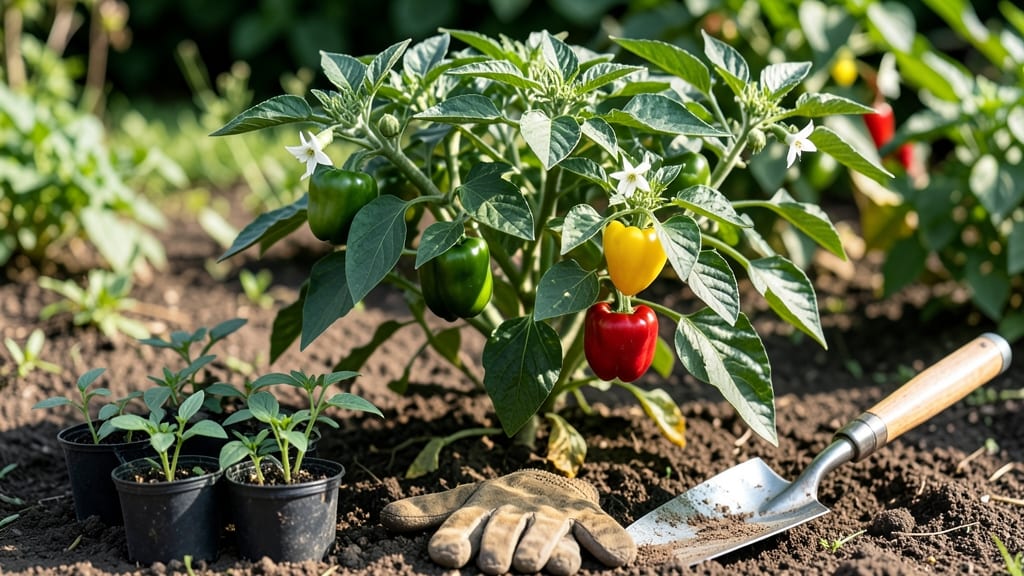
Timing your bell pepper planting in Arizona isn’t just about avoiding frost—it’s about outsmarting the desert’s relentless heat. Unlike cooler climates, Arizona’s 9b zone lets you grow 🌶️ year-round, but those scorching summers demand precision.
Plant too early, and your seedlings may bolt before fruiting. Too late, and the intense sun can stress young plants before they establish roots. The sweet spot?
Start transplants in late January to early March or direct-sow in February to April, when soil warms to 70°F+—the magic threshold for healthy growth.
But here’s the twist: Arizona’s microclimates vary wildly. Phoenix’s low desert thrives with early starts, while Flagstaff’s high desert may need a delayed approach. I’ll break down the best strategies for your specific area, plus pro tips to extend your harvest through October’s last flush.
Ready to turn your backyard into a pepper powerhouse? Let’s dive into the desert-smart secrets that’ll keep your plants thriving—even when the thermometer hits 110°F.
Optimal planting windows for Arizona bell peppers by region
Arizona’s diverse climate means bell peppers thrive in different regions, but timing is critical. Unlike northern states, we don’t have to worry about frost, but soil temperature and heat intensity dictate the perfect window.
For the low desert (Phoenix/Tucson), aim for late January to early March for transplants or February to April for direct sowing. In high desert areas (Flagstaff), wait until mid-March to late April to avoid early-season heat stress.
The key is planting 6–8 weeks before summer’s peak heat (June–July). Bell peppers need soil temperatures above 70°F to germinate and grow well. Use a soil thermometer to confirm—cool soils delay growth and invite fungal diseases.
In USDA Zone 9b, most of Arizona’s low desert fits this, while higher elevations may need adjustments.
Microclimates matter—even within cities. Urban heat islands in Phoenix can push temperatures 10°F higher than rural areas, so adjust planting dates 1–2 weeks earlier if your garden runs hot. For example, Tucson’s Santa Cruz Valley often plants 2 weeks later than Phoenix due to cooler nights.
🌶️ Arizona Bell Pepper Planting Guide by Region
| Region | Best Planting Window | Soil Temp Threshold | Notes |
|---|---|---|---|
| Phoenix/Scottsdale | Late Jan–Early Mar (transplant) / Feb–Apr (direct sow) | 70°F+ | Urban heat islands may require earlier starts. |
| Tucson/Santa Cruz Valley | Mid-Feb–Early Apr | 70°F+ | Cooler nights delay heat stress; plant 2 weeks later than Phoenix. |
| Flagstaff/Sedona | Mid-Mar–Late Apr | 65°F+ (higher elevations) | Short growing season; prioritize heat-tolerant varieties. |
| Yuma | Early Jan–Mid-Feb | 75°F+ (year-round warmth) | Can plant twice yearly; fall crops thrive until Nov. |
⚠️ Pro Tip: Use shade cloth (30–50%) for 2–3 weeks post-transplant to ease heat stress.
For container growing, start seeds indoors 8–10 weeks before your region’s ideal transplant date. Arizona’s long growing season lets you succeed crops twice yearly: once in spring and again in fall (August–September for high desert). In Yuma, you can even grow year-round with proper irrigation.
Choose heat-tolerant varieties like ‘NuMex Heritage’ or ‘Carmen’ for Arizona’s climate. These handle 100°F+ days better than standard varieties. Avoid ‘Bell Boy’ or ‘California Wonder’—they bolt in summer heat. Always check the seed packet for days to maturity and adjust your planting window accordingly.
Test your soil pH (6.0–6.8) before planting—bell peppers hate acidic soil. Amend with lime if needed, and mix in compost for nutrient-rich beds. Drip irrigation is a game-changer in Arizona; it delivers water directly to roots and reduces evaporation.
Water in the early morning to prevent fungal issues from overnight moisture.
Spacing is crucial: 18–24 inches apart in rows 24–36 inches apart. Overcrowding stresses plants and invites pests like aphids. Use mulch (straw or wood chips) to retain moisture and keep roots cool. In high desert areas, add black plastic mulch to warm soil faster in spring.
Monitor for blossom-end rot, a common issue in Arizona’s fluctuating water levels. Keep soil consistently moist (not soggy) and add calcium via crushed eggshells or gypsum.
Harvest peppers when they’re firm and glossy, and pick regularly to encourage more production. With the right timing, you’ll enjoy homegrown peppers from June through October!
How to extend your bell pepper growing season in the desert
Arizona’s brutal summer heat doesn’t have to mean the end of your bell pepper harvest. With the right strategies, you can push your growing season from spring through fall—even when temps flirt with 110°F. The key? Heat management through shade, water, and smart planting choices.
I’ve grown bell peppers in Phoenix for years, and the difference between a meager harvest and a bountiful one often comes down to these desert-smart tactics. Let’s break down how to keep your plants thriving when the sun feels like a blowtorch.
🌶️ Pro Tip: Start with heat-tolerant varieties like ‘NuMex Sandia’ or ‘Carmen’—they handle Arizona’s climate like champs. Pair them with these season-extending tricks for maximum success.
Don’t let the heat fool you—bell peppers love Arizona’s sun, but they need protection during the hottest afternoons. I’ve seen plants wilting under 105°F only to bounce back with proper care. The secret? Consistency in watering and shade.
For fall harvests, start seeds indoors in July and transplant in August when temps dip slightly. Choose shorter-day varieties like ‘Aristotle’ to trigger fruiting before winter sets in.
With these tricks, you’ll enjoy homegrown peppers from spring to fall—no matter how fierce the desert sun gets. 🌿