Plants
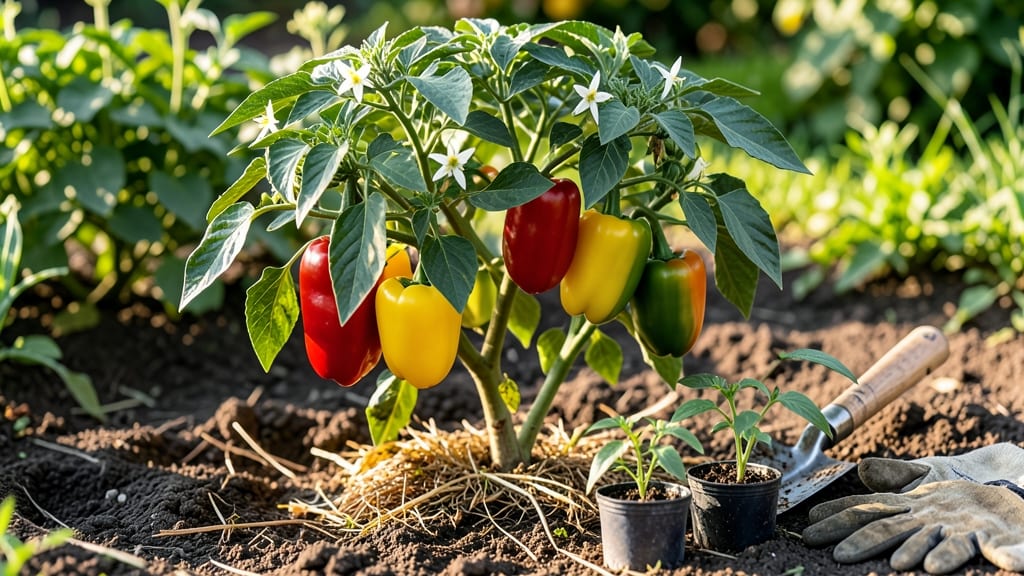
If you’ve ever struggled with when to plant bell peppers in South Florida, you’re not alone—this tropical climate throws a wrench into traditional planting schedules.
Unlike northern gardeners, South Florida’s year-round growing season means you can plant 🌶️ bell peppers almost anytime, but timing still matters to avoid heat stress or stunted growth.
The key is understanding your microclimate—whether you’re in Miami’s humid heat or the slightly cooler inland areas of Zone 10A. Plant too early, and your peppers may bolt before reaching maturity; too late, and the summer sun can scorch young seedlings.
I’ll break down the exact months to start seeds or transplant for a bountiful harvest, plus the best heat-tolerant varieties to try.
You’ll also discover how staggered planting keeps your kitchen stocked with fresh peppers year-round, and why mulching and watering schedules make all the difference in Florida’s sandy soil. Let’s dive into the perfect planting strategy for your South Florida garden.
Whether you’re a seasoned gardener or just starting, these tips will help you grow plump, flavorful bell peppers without the common pitfalls. Ready to transform your garden into a pepper powerhouse?
Best planting dates for bell peppers in South Florida’s climate zones
South Florida’s USDA Zones 10A-11 offer a unique advantage: you can grow bell peppers year-round with the right timing. Unlike northern climates, we don’t have to worry about frost, but heat stress and humidity still pose challenges.
The key is planting when soil temperatures stay above 65°F and avoiding the hottest summer months (June-August), when peppers struggle to set fruit.
For optimal yields, I recommend staggered planting every 2-3 weeks. This ensures a continuous harvest while avoiding overwhelming your plants during peak heat. Start with cool-season varieties in late fall/winter, then transition to heat-tolerant types as temperatures rise.
South Florida’s microclimates (Miami vs. Fort Lauderdale vs. Homestead) can vary by 2-3 weeks in ideal planting windows, so adjust based on your specific location.
Direct sowing is possible in South Florida, but transplanting seedlings (purchased or homegrown) gives you more control over timing and variety selection. Seedlings should be 4-6 weeks old with 2-3 true leaves before transplanting. Harden them off for 5-7 days before moving them outdoors to prevent transplant shock.
Here’s your month-by-month planting schedule for South Florida’s zones, including ideal soil temperatures and key considerations:
| Month | Ideal Planting Time | Soil Temp (°F) | Method | Notes | ||||||||||||||||
|---|---|---|---|---|---|---|---|---|---|---|---|---|---|---|---|---|---|---|---|---|
| January | Late Jan - Early Feb | 65-75°F | Transplant | Cool-season varieties; minimal heat stress | ||||||||||||||||
| February | Mid-Feb - Late March | 70-80°F | Transplant or Direct Sow | Transition to heat-tolerant varieties | ||||||||||||||||
| March | Late March - Early April | 75-85°F | Transplant | Avoid peak heat; use shade cloth if needed | ||||||||||||||||
| April | Mid-April - May | 80-90°F | Transplant (late afternoon) | High heat risk; prioritize heat-tolerant varieties | ||||||||||||||||
| May | Early May (shade cloth) | 85-95°F | Transplant (protected) | Use 30-50% shade cloth; water deeply daily | ||||||||||||||||
| June-August | Avoid planting | >95°F | N/A | Peppers struggle to set fruit; focus on maintenance | ||||||||||||||||
| September | Late Sept - Early Oct | 80-85°F | Transplant | Ideal for fall harvests; cooler temps improve fruit set | ||||||||||||||||
| October-November | Year-round | 65-75°F | Transplant or Direct Sow |
Best planting dates for bell peppers in South Florida’s climate zonesSouth Florida’s frost-free year-round climate means you can grow bell peppers almost anytime, but the key is avoiding heat stress and bolting. Unlike northern regions, your planting schedule focuses on soil temperature and humidity rather than frost dates. For Zone 10A/10B/11, the ideal window starts when soil warms to at least 65°F, which typically happens in late winter through early spring. In Miami and coastal areas (Zone 11), you can plant bell pepper seedlings as early as January for a spring harvest, while inland areas like Fort Lauderdale (Zone 10B) may wait until February to avoid cooler nights. Summer planting is also possible, but choose heat-tolerant varieties and provide afternoon shade to prevent wilting. Here’s a breakdown of the best planting windows for your microclimate:
For direct sowing, start seeds indoors 8–10 weeks before your target transplant date. Use biodegradable pots to avoid root disturbance when moving seedlings outdoors. If you’re transplanting, purchase 6–8 week-old seedlings from a nursery to ensure they’re hardened off and ready for Florida’s heat. Stagger your plantings every 2–3 weeks to extend your harvest season. For example, plant one batch in February for a spring crop, then another in July for a fall harvest. This succession planting strategy keeps your garden productive year-round while avoiding overwhelming bolting or heat stress. Always monitor your plants for signs of heat stress, like yellowing leaves or wilting, and adjust with shade cloth or mulch. With the right timing, you’ll enjoy homegrown bell peppers from winter through summer! |