
Plants
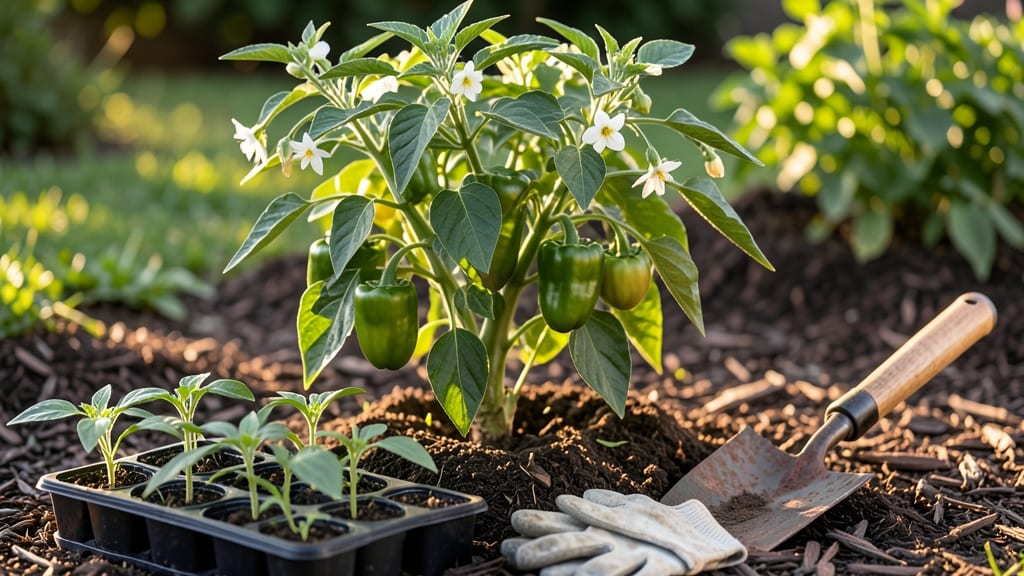
Timing your bell pepper 🌶️ planting in Virginia could mean the difference between a bumper crop and a sad, wilted disappointment. If you plant too early, your heat-loving peppers will bolt before they even ripen, while waiting too late might leave you scrambling for harvests before the first frost.
The secret? Mastering your USDA zone—whether you're in 7a's Piedmont or 7b's Coastal Plain—and knowing exactly when to get those seedlings in the ground.
Most Virginia gardeners should aim for their last frost date—typically around April 15 in most regions—but soil temperature is the real game-changer.
Your bell peppers won't thrive until the ground warms to at least 60°F, which often means waiting until late April or even early May, depending on where you live. I’ve seen too many gardeners rush this step, only to watch their plants struggle through cool, damp soil.
Here’s what you’ll discover in this guide: the precise transplant deadlines for your zone, how to extend your growing season with simple tricks, and which pepper varieties actually perform well in Virginia’s short season. No more guessing—just proven strategies to turn your garden into a pepper powerhouse by August.
Ready to grow those sweet, glossy peppers you’ve been dreaming about? Let’s break down the exact steps to time your planting perfectly, so you’re harvesting instead of wondering "what if?" by fall.
Virginia bell pepper planting deadlines by Zone 7a/7b (with soil temp rules)
Virginia’s Zone 7a/7b climate gives you a narrow but productive window to grow bell peppers. Unlike cool-season crops, peppers demand warm soil (60°F+) and consistent heat—so timing is critical. Miss the mark, and you’ll either watch seedlings rot in cold soil or race against first frost (avg.
Oct 15–Nov 1). Let’s break down the exact deadlines for your region, whether you’re starting seeds indoors, transplanting seedlings, or sowing directly.
First, check your last frost date: Coastal Virginia (Zone 7b) averages March 15, while Mountain Virginia (Zone 6a/7a) can see frost until April 15. Add 2–4 weeks after your last frost to ensure soil warms to 60°F.
For example, Richmond gardeners (Zone 7b) should aim for April 15–May 1 transplants, while Roanoke (Zone 7a) can wait until May 1–15.
Here’s the game-changer: soil temperature matters more than air temperature. Use a soil thermometer ($10 at garden centers) to confirm 60°F+ at 4-inch depth. If your soil is cooler, delay planting—peppers won’t germinate or thrive below this threshold.
Pro tip: Dark-colored mulch (like black plastic) can raise soil temps by 5–10°F faster than bare earth.
For direct sowing (planting seeds outdoors), wait until May 15–June 1 in most of Virginia. This gives seedlings time to establish before summer heat peaks.
If you’re transplanting seedlings (bought or homegrown), do it 2–4 weeks before your last frost date—so early April for Coastal VA and late April for Mountain VA.
🌱Key Deadlines by Method:
- Indoor starts: Sow seeds 8–10 weeks before last frost (Feb 1–March 1 for most of VA).
- Transplant seedlings: April 15–May 15 (earlier in Coastal VA, later in Mountain VA).
- Direct sow: May 15–June 1 (after soil hits 60°F+).
| Stage | Zone 7b (Coastal VA) | Zone 7a (Central VA) | Zone 6a (Mountain VA) |
|---|---|---|---|
| Last Frost Date | March 15 | March 30 | April 15 |
| Soil Temp Threshold | 60°F+ | 60°F+ | 60°F+ |
| Transplant Window | April 15–May 1 | April 30–May 15 | May 1–15 |
| Direct Sow Window | May 15–June 1 | May 30–June 15 | June 1–July 1 |
| First Frost Risk | Oct 15–Nov 1 | Oct 1–Nov 15 | Sep 15–Oct 15 |
| Backup Late Start | June 15 (with row covers) | June 30 (with row covers) | July 15 (container gardening) |
⚠️ Pro Tip: Use floating row covers to push late starts to July 1 in most zones.
If you’re starting seeds indoors, begin 8–10 weeks before your last frost date. For Coastal VA, that’s early February; for Mountain VA, late February–early March. Use grow lights (12–
How to extend Virginia’s bell pepper growing season (cold frames, row covers & succession planting)
Virginia’s short growing season (avg. 165 frost-free days) can cut bell pepper harvests short—but don’t let that stop you. With the right strategies, you can push your pepper season 4-6 weeks later into fall.
The key? Protecting plants from early frosts while maintaining warmth and sunlight. I’ve tested these methods in my Zone 7b garden and seen harvests extend until mid-October.
Start by choosing slow-to-mature varieties (like ‘Jupiter’ or ‘Carolina Wonder’) that thrive in cooler temps. Pair them with season-extending tools like row covers or cold frames. Even a simple black plastic mulch can raise soil temps by 5-10°F, giving peppers the warmth they crave.
For late starts, use succession planting—staggering sowings every 2-3 weeks ensures a continuous harvest.
⚠️ CRITICAL: Pull plants 2-3 weeks before the first frost (avg. Oct 15–Nov 1 in Zone 7a/7b). Peppers won’t survive freezing temps, but removing them early prevents disease spread to next year’s garden. Here’s my 3-step fall extension plan:
For succession planting, sow seeds every 2 weeks from April 15–June 1. This ensures a rolling harvest through September. Use biodegradable pots for transplants to avoid root disturbance. In my garden, this method added 30 extra days of pepper production—enough for 2–3 harvests after the initial batch!
Don’t overlook soil prep for fall planting. Amend beds with compost and aged manure to replenish nutrients after summer’s heavy fruiting. Test soil pH (6.0–6.8 is ideal) and adjust with lime or sulfur if needed.
A mulch layer (straw or leaves) retains moisture and insulates roots from temperature swings.
Pro tip: Harvest peppers before they fully ripen if frost looms. Green peppers (unripe) can be used in cooking, and half-ripe peppers will continue maturing indoors on a sunny windowsill.
Store them in a cool, dark place (50–55°F) to slow aging. With these tricks, you’ll turn Virginia’s short season into a long pepper feast!