
Plants
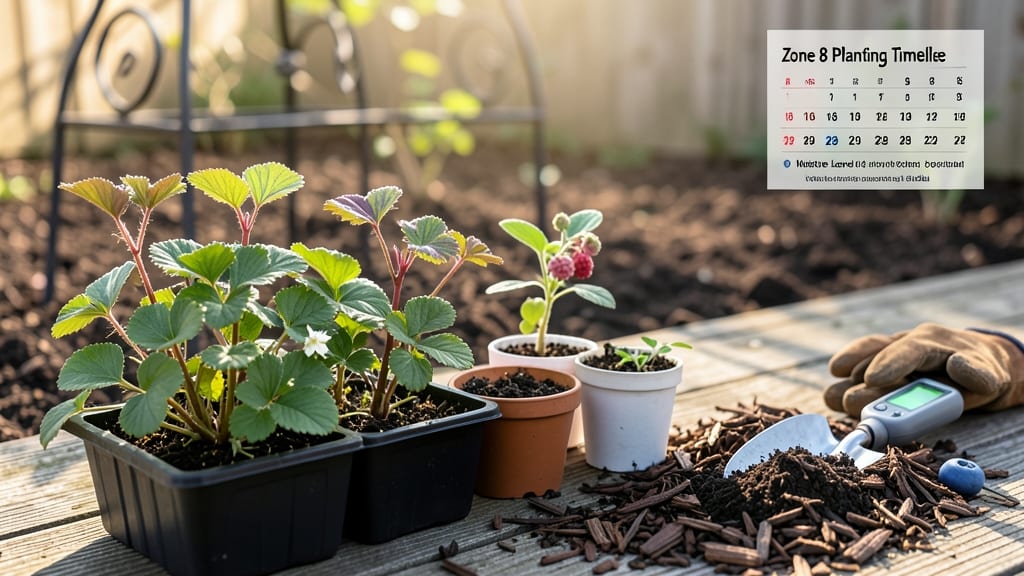
Knowing when to plant berries in Zone 8 can mean the difference between a bumper crop of juicy 🫐 and a disappointing harvest. The wrong timing might leave your berries vulnerable to late frost or struggling through summer heat, while the right schedule sets them up for success.
Zone 8 offers two prime planting windows—late winter through early spring or fall—but the exact timing depends on your microclimate. Coastal areas might plant a week earlier than inland spots, and understanding these nuances is key to avoiding common pitfalls like frost damage or heat stress.
In this guide, I’ll break down the best weeks to plant different berry varieties, how to adjust for your specific location, and proven tips to extend your harvest season. Whether you’re growing blueberries, raspberries, or blackberries, these strategies will help you maximize your yield.
Ready to transform your garden into a berry paradise? Let’s dive into the ideal planting schedule tailored just for Zone 8 gardeners like you.
Optimal planting weeks for different berry types in Zone 8
Mastering berry planting timing in Zone 8 means aligning your schedule with each variety's unique needs. Strawberries, for example, thrive when planted in early fall (September) for spring harvests, while blueberries demand acidic soil prep 4-6 weeks before their late winter (February) window. Raspberries and blackberries need chilling hours, so bare-root planting in late winter works best, while tropical varieties like goji berries wait until after last frost (March).
Your microclimate plays a huge role—coastal areas can plant 2-3 weeks earlier than inland zones due to milder winters. For instance, San Diego gardeners might plant blueberries in late January, while Atlanta gardeners wait until mid-March.
Even within Zone 8, elevation shifts timing by 1-2 weeks per 1,000 feet.
Here’s the berry-by-berry breakdown with Zone 8-specific weeks to maximize your harvest:
For everbearing strawberries, I recommend fall planting—these varieties produce two harvests per year if you time it right.
Start with June-bearing types in early spring for a single, massive June harvest, but everbearing varieties like Albion or Seascape give you spring and fall crops when planted in September.
Pro tip: Blueberries are finicky about soil pH. Test your soil 6 weeks before planting—if it’s not acidic (pH 4.5-5.5), amend with peat moss or sulfur.
Without this step, your plants won’t thrive, no matter how perfect the timing. Raspberries and blackberries, on the other hand, prefer slightly acidic to neutral soil (pH 6.0-6.5), so a compost boost is key.
If you’re growing tropical berries like goji berries, wait until after your last frost date—typically mid-March in Zone 8.
These heat-lovers hate cold snaps, so protect young plants with frost cloth if late frosts sneak in. Elderberries are the most frost-tolerant of the bunch, making them ideal for early spring or fall planting.
For second harvests, try the 3-week buffer technique: Plant a second batch of everbearing strawberries 3 weeks after your first planting. This stretches your harvest from June to October. Just ensure your soil stays consistently moist during fruit development—drought stress turns berries small and seedy.
Remember: Zone 8’s long growing season is your advantage. By matching planting windows to each berry’s chilling requirements and heat tolerance, you’ll avoid blossom drop and heat stress while maximizing fruit set. Start with one variety per season, then expand as you master the timing! 🌱
Optimal planting weeks for different berry types in Zone 8
Zone 8 gardeners can plant berries in two key windows: late winter/early spring (February-March) or fall (September-October). The best choice depends on your berry variety and local microclimate. For example, strawberries thrive when planted in early fall, while blueberries need acidic soil prep before spring planting.
Spring planting (after last frost) gives berries time to establish roots before summer heat, while fall planting (4-6 weeks before frost) helps plants root deeply before winter dormancy. Raspberries and blackberries benefit from fall planting, as they require cold stratification for optimal fruiting.
Here’s a breakdown of ideal planting weeks by berry type, including soil prep and frost considerations:
Berry Planting Schedule for Zone 8
| Berry Type | Best Planting Window | Soil Prep | Frost Risk |
|---|---|---|---|
| Strawberries | Early Fall (Sept 1-15) or Spring (Feb 15-March 15) | Well-draining, compost-rich | Low in fall; moderate in spring |
| Blueberries | Late Winter (Feb 15-March 15) | Acidic (pH 4.5-5.5), organic matter | High in early spring |
| Raspberries/Blackberries | Fall (Sept 1-Oct 15) or Early Spring (Feb 15-March 15) | Rich, well-drained soil | Moderate in fall; high in spring |
| Tropical Berries (e.g., Pineberries) | Spring (March 15-April 15) | Warm soil, mulched | None (heat-tolerant) |
*Adjust dates 1-2 weeks earlier for coastal areas, later for inland zones.
For blueberries, soil acidity is critical—test and amend your soil 4-6 weeks before planting to avoid delays. Raspberries and blackberries planted in fall benefit from winter chilling, which boosts next year’s fruit production.
If you’re in a coastal Zone 8 (like San Diego), plant 1-2 weeks earlier than inland areas, as milder winters reduce frost risk. Inland gardeners (e.g., Las Vegas) should wait until after March 1 to avoid late frosts.
Pro tip: Use row covers for early spring plantings to protect young berries from unexpected frosts. This simple step can extend your planting window by 2-3 weeks without risking damage.
🌱