
Plants
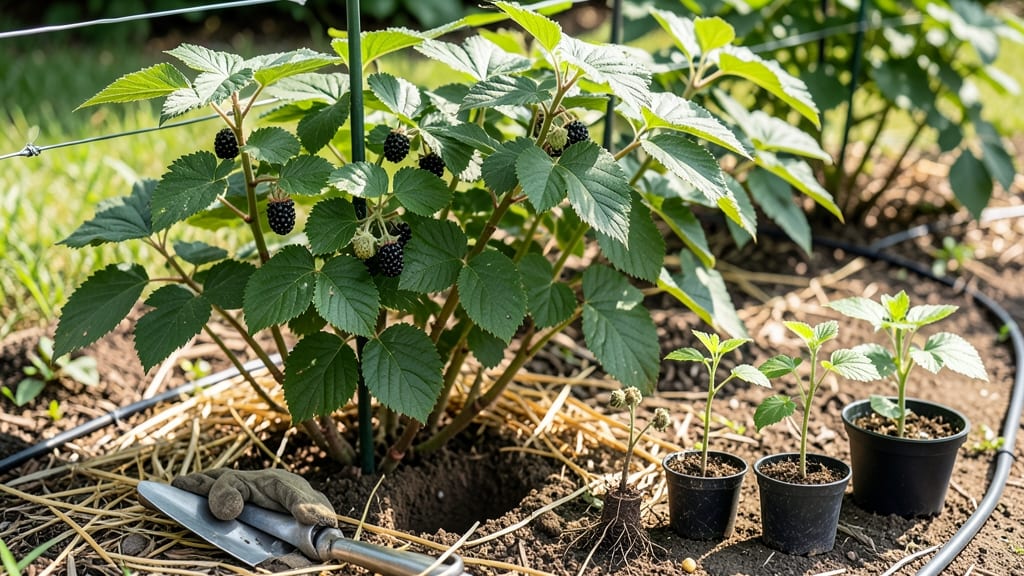
Timing your blackberry planting in Central Texas isn’t just about picking a month—it’s about outsmarting the heat, avoiding frost, and giving those canes the best shot at thriving.
With USDA Zone 8a-8b weather swings, planting too early risks scorching young roots, while waiting too long can leave your 🫐 bushes struggling to establish before winter.
Most gardeners here swear by late winter or early spring (February-March) for dormant canes, but fall (October-November) offers a hidden advantage: cooler soil and fewer pests. The key? Understanding how your microclimate plays into frost dates and soil temps—because even a few degrees can make or break your harvest.
Whether you’re a first-timer or a seasoned grower, getting this right means fewer headaches and more abundant fruit come summer.
I’ll break down the exact windows, soil prep secrets, and even how to spot the best microclimates in your yard—so you can plant with confidence and watch those vines take off.
Ready to turn your Central Texas garden into a blackberry powerhouse? Let’s dive into the ideal months and proven techniques that’ll have your bushes producing like crazy in just a season or two.
Best months to plant blackberries in Central Texas climate zones
Central Texas gardeners face a tricky balance when planting blackberries—too early risks heat stress, while too late exposes young canes to winter chill. The ideal window depends on whether you're planting dormant canes or established potted plants, along with your specific USDA Zone 8a-9a location.
For bare-root canes, the best time is late winter to early spring (February-March) when soil temperatures rise above 50°F (10°C). This gives roots time to establish before summer’s 100°F+ heat. Fall planting (October-November) is also ideal for dormant canes to avoid winter stress.
If you prefer potted blackberries, spring planting (March-April) works best—just ensure soil stays consistently moist during the first 4-6 weeks to prevent transplant shock. Avoid planting in summer heat, as extreme temperatures slow root growth.
Here’s how Central Texas’ frost dates impact timing: The average last frost is February 15, while the first frost typically arrives December 1. Planting 6-8 weeks before the last frost ensures canes have time to root before summer’s intensity.
Pro Tip: Use mulch (straw or wood chips) to protect young plants from temperature swings and retain moisture during Central Texas’ dry spells. This is especially critical in Zone 8b, where summer heat arrives earlier.
🌱 Central Texas Blackberry Planting Comparison
| Planting Method | Best Months | Soil Temp Threshold | Key Consideration |
|---|---|---|---|
| Bare-Root Canes | Feb-Mar (Spring) or Oct-Nov (Fall) | 50°F (10°C) | Avoid summer heat; mulch heavily |
| Potted Plants | Mar-Apr (Spring) | 60°F (15°C) | Keep soil moist; transplant shock risk |
| Established Plants | Sep-Oct (Fall) | 65°F (18°C) | Prune old canes; fertilize lightly |
📌 Note: Adjust for microclimates—urban areas may need 1-2 weeks earlier due to heat islands.
For thornless varieties (like ‘Cheyenne’ or ‘Natchez’), spring planting is safest—these types are more sensitive to root stress and benefit from extended establishment time before fruiting. Traditional thorny varieties (‘Arapaho’) can handle fall planting better due to their hardier canes.
Watch for Central Texas’ unpredictable weather: A late frost in March or an early heatwave in April can derail young plants. Use frost cloth if planting in early spring and monitor 10-day forecasts for extreme heat warnings.
If you miss the ideal window, don’t despair—container growing extends your options. Plant in large pots (15+ gallons) and move them to shaded areas during summer’s peak heat. This buys you 2-3 extra weeks of flexibility for late spring or early fall plantings.
Remember: Blackberries thrive with patience. First-year plants focus on root and cane growth, not fruit—so avoid heavy harvesting until year two to ensure robust canes for future harvests. 🫐
Best months to plant blackberries in Central Texas climate zones
Central Texas’s USDA Zones 8a-9a offer two prime windows for planting blackberries: late winter/early spring and fall. The key is avoiding extreme heat or frost—both can stress young canes. For bare-root plants, aim for October to November when soil temps drop below 70°F but before hard freezes.
Spring plantings work best in February to early March, once frost risk passes.
Fall planting gives canes time to establish roots before summer heat, while spring plantings align with natural growth cycles. Thornless varieties like 'Natchez' or 'Arapaho' thrive in both windows, but everbearing types (e.g., 'Chester') need cooler fall temps to set fruit buds.
Check your last frost date (avg. February 15) to time plantings perfectly.
Planting Window Comparison
| Timing | Soil Temp | Best For | Pros | Cons |
|---|---|---|---|---|
| Fall (Oct-Nov) | 50-65°F | Bare-root canes | Roots establish before heat | Limited selection |
| Spring (Feb-Mar) | 60-70°F | Potted plants | Wider variety available | Summer heat stress risk |
| Late Summer (Aug) | 75-80°F | Established plants | Minimal transplant shock | Requires irrigation |
For potted blackberries, summer plantings (late August) work if you provide daily shade and consistent watering. This avoids transplant shock during peak heat. Just ensure containers have drainage holes and use lightweight potting mix to prevent root rot.
Urban gardeners often opt for this method to bypass Central Texas’s clay-heavy soil.
Microclimates matter! North-facing slopes stay cooler longer, extending your fall window by 2-3 weeks. Conversely, south-facing areas warm up faster, making spring plantings riskier. Use a soil thermometer to confirm temps are ideal before planting—below 70°F for fall, above 60°F for spring.
Pro tip: Mulch heavily (3-4 inches of straw) after planting to insulate roots. This is especially critical in Central Texas’s hot summers and mild winters. Mulch also suppresses weeds, which compete for moisture during the critical first year of establishment.
Remember: Thornless varieties like 'Apache' or 'Ouachita' are beginner-friendly, while trailing types (e.g., 'Chester') need trellises. Always check the USDA Zone tag on your plants—some labels may suggest Zone 7 suitability, but Central Texas’s heat tolerance makes them thrive here with proper care.