
Plants
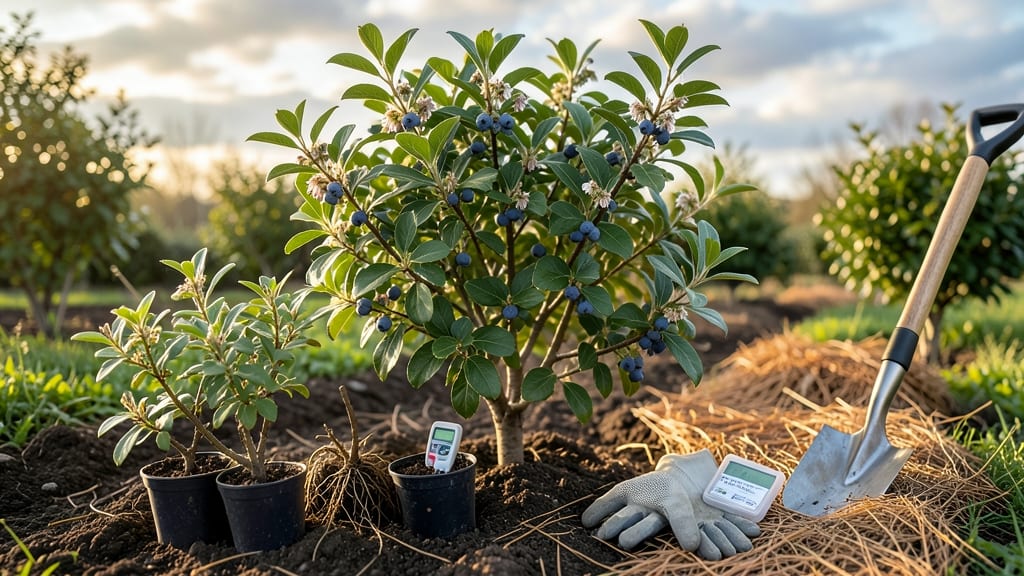
Timing your blueberry planting in Maine isn’t just about the calendar—it’s about beating frost dates and giving those 🫐 bushes the best shot at survival. With USDA zones 5b-6b and unpredictable weather, planting too early or late can spell disaster for your future harvest.
Most gardeners in Maine swear by two windows: April-May for spring planting or September-October for fall. But here’s the catch—your local microclimate matters more than the general rule. Coastal areas warm up faster than inland spots, so adjusting your schedule based on last frost dates (usually mid-May) is key.
Whether you’re planting bare-root saplings or container-grown bushes, we’ll break down the science behind Maine’s frost math. You’ll learn how to prep soil, choose cold-hardy varieties like ‘Patriot’ or ‘Bluecrop,’ and even extend your planting season with simple tricks.
Skip the guesswork—let’s turn your blueberry dream into a thriving, frost-proof reality. Ready to dig in?
Maine’s frost dates and the best planting windows for blueberries
Maine’s USDA hardiness zones 5b-6b mean blueberries face a short growing season with unpredictable frost dates. The key to success? Planting 6-8 weeks before your average last frost—typically mid-May for most of the state. This timing gives roots time to establish before winter dormancy begins.
For spring planting, aim for April to early May in southern Maine (zones 6a-6b) and late April to mid-May in northern regions (zones 5a-5b). Use local frost date averages from the National Oceanic and Atmospheric Administration (NOAA) to fine-tune your schedule.
Fall planting is also viable in Maine, with September to early October being ideal. This allows roots to settle before winter, but avoid planting if frost is forecasted within 4-6 weeks. Northern Maine’s shorter growing season favors fall planting over spring.
Here’s how Maine’s frost dates break down by region, along with optimal planting windows:
| Region | USDA Zone | Avg. Last Frost | Spring Planting Window | Fall Planting Window |
|---|---|---|---|---|
| Southern Maine (Portland, Kittery) | 6a-6b | Mid-May | April 15 - May 1 | September 15 - October 5 |
| Central Maine (Augusta, Waterville) | 5b-6a | Late May | April 30 - May 15 | September 1 - September 25 |
| Northern Maine (Bangor, Presque Isle) | 4b-5a | Early June | May 10 - June 1 | August 20 - September 10 |
Check your local microclimate—southern exposures or sheltered valleys may have 2-3 weeks earlier frost dates than official averages. For example, Bar Harbor often sees last frosts 10 days earlier than Bangor.
Use bare-root plants for spring planting—they establish faster than container-grown bushes. For fall, container-grown blueberries handle transplanting better. Always soak bare-root plants for 2-4 hours before planting to rehydrate roots.
Maine’s chilly springs can delay planting, so prepare your site 2-3 weeks ahead. Amend soil with peat moss or sulfur to maintain acidic pH (4.5-5.5), and mulch heavily to protect roots from temperature swings.
Pro tip: Plant blueberry bushes in clusters (not rows) to improve pollination and create a microclimate that retains warmth. Space dwarf varieties 3-4 feet apart and standard bushes 6-8 feet apart for airflow.
If frost threatens after planting, cover young bushes with frost cloth or burlap sacks. Remove covers by 10 AM to avoid overheating. This simple step can save newly planted blueberries from winter damage.
Cold-hardy blueberry varieties that thrive in Maine’s climate
Maine’s winters demand cold-hardy blueberry varieties that can handle USDA zones 5b-6b without flinching. The wrong choice means stunted growth or worse—your bushes could freeze back to the ground. But don’t worry: Patriot, Bluecrop, and Jersey are proven winners for Maine’s climate, each with unique strengths.
For example, Patriot thrives in zones 4-6 and produces early-season fruit, perfect for Maine’s short harvest window. Meanwhile, Bluecrop is a late-season star, offering sweeter berries that ripen just before fall frost.
Both varieties need 1,000+ chilling hours, which Maine easily delivers—just pick the right one for your microclimate.
Dwarf varieties like Top Hat (3-4 ft tall) are ideal for small gardens or containers, while standard bushes like Earliblue (6-12 ft) dominate larger spaces. Pollination is another key factor: plant at least two compatible varieties to ensure fruit set. For instance, Patriot pairs well with Bluecrop or Jersey.
🌱 Top 5 Maine Blueberry Varieties
✅ Early season
✅ Zone 4-6
✅ Dwarf option
✅ Late season
✅ Sweet berries
✅ High yield
✅ Cold-hardy
✅ Medium size
✅ Pollinates well
✅ Early ripening
✅ Large bushes
✅ High chilling
✅ Dwarf (3-4 ft)
✅ Container-friendly
✅ Early fruit
When sourcing plants, avoid big-box stores—their blueberries often lack the cold tolerance Maine needs. Instead, opt for bare-root saplings in early spring or container-grown bushes in fall. Both types establish well if planted within the 6-8 week window before frost.
Soil prep is just as critical as variety selection. Blueberries demand acidic soil (pH 4.5-5.5), so test your soil and amend with peat moss or sulfur if needed. Mulch with pine needles to maintain acidity and protect roots from winter freeze-thaw cycles.
With the right variety and prep, your Maine blueberries will reward you with decades of harvests.
Ready to pick your perfect match? Grab a shovel and let’s get those cold-hardy bushes in the ground—your future blueberry pies are waiting! 🫐