
Plants
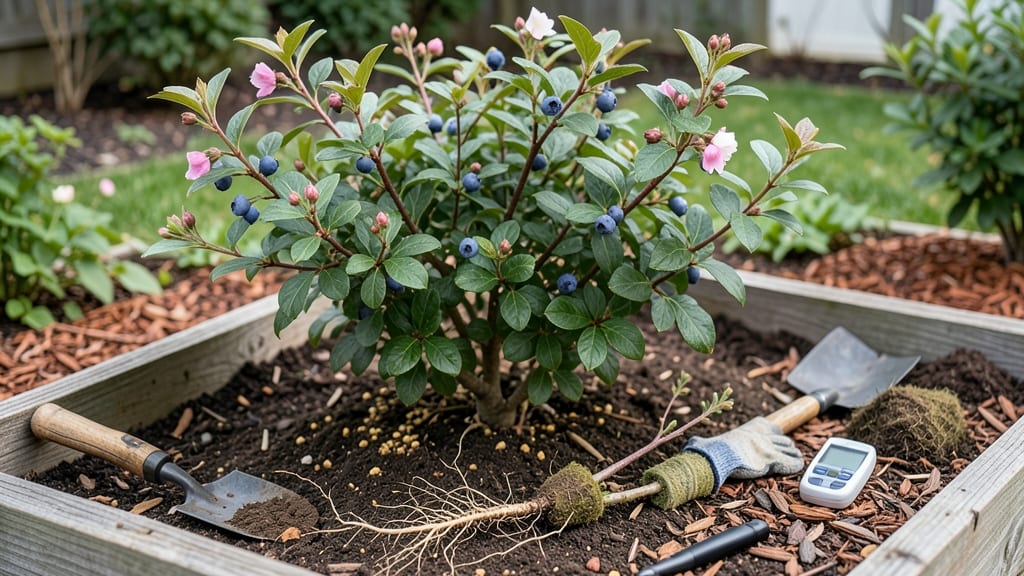
Timing your blueberry planting in Utah isn't just about the calendar—it's about dodging frost, matching your microclimate, and giving those 🫐 bushes the best shot at thriving. Plant too soon, and a late frost will turn your tender new plants into sad, wilted memories.
Wait too long, and your bushes might never get strong enough to handle Utah's dry summers.
Most Utah gardeners know spring is the sweet spot, but the exact window depends on where you live—whether you're in the high desert or the cooler valleys.
The key is waiting until after the last frost, typically late April to early June, when soil temperatures are just right for root growth. But here's the catch: Utah's elevation changes everything, so what works in Salt Lake City might not fit in Park City.
I've spent years watching blueberries grow in Utah's varied climates, and I can tell you this: getting the timing right means the difference between a bush that struggles and one that bursts with juicy, homegrown berries by summer.
Let me walk you through the exact steps to plant at the perfect moment for your specific corner of the state—no guesswork, just science-backed deadlines.
From adjusting soil pH to protecting young plants from unexpected cold snaps, we'll cover everything you need to know to turn your blueberry dreams into a reality. Ready to dig in?
Utah’s blueberry planting zones: when to start based on microclimate
Utah’s diverse elevations and microclimates create a puzzle for blueberry growers. The Wasatch Front (USDA Zone 6b-7a) enjoys longer frost-free seasons, while Cache Valley (Zone 6a) and high desert areas (Zone 5b) face earlier frosts. Understanding these zones ensures your blueberries thrive—not just survive.
Blueberries are cold-hardy shrubs, but their roots need consistent soil temperatures above 40°F to establish. In Utah, this typically means waiting until late April to early June, after the last average frost date.
However, elevation changes everything—planting in Salt Lake City (4,200 ft) differs from Park City (6,200 ft) or Moab (3,200 ft).
Here’s how Utah’s three key regions break down for blueberry planting:
In Utah’s Zone 6b-7a areas, like Salt Lake Valley, I recommend planting bare-root blueberries in late April once soil temperatures stabilize.
For potted plants, wait until mid-May to avoid transplant shock from lingering cold snaps. Zone 5b growers in Duchesne County should delay until June or use row covers for early spring planting.
Utah’s alkaline soils (pH 7.5–8.5) are the real villain for blueberries, which need acidic soil (pH 4.5–5.5).
Before planting, amend your soil with peat moss or sulfur to lower pH. Test your soil 4–6 weeks before planting—this gives amendments time to work. Compost and pine needles also help maintain acidity over time.
Another critical factor is water availability. Utah’s arid climate means blueberries need consistent moisture, especially in their first year.
In high desert regions, mulch heavily with wood chips or straw to retain moisture. Drip irrigation is ideal—it delivers water directly to roots without wetting foliage, reducing fungal risks.
For high-elevation areas (above 6,000 ft), choose cold-hardy varieties like ‘Patriot’ or ‘Northblue’. These varieties tolerate -25°F and thrive in Utah’s short growing seasons.
In contrast, ‘Bluecrop’ or ‘Jersey’ are better suited for lower elevations with longer summers. Always check the USDA Plant Hardiness Zone Map for your exact location.
One common mistake in Utah is planting too late due to unpredictable spring weather.
If you miss the optimal window, opt for container planting—it gives you flexibility to move plants to a sheltered spot if frost threatens. Black plastic mulch can also warm soil faster in early spring, extending your planting season by 2–3 weeks.
Finally, monitor your local weather forecasts for late-season frosts, which can occur as late as May 15 in some areas. If frost is forecasted, cover young plants with frost cloth or a lightweight blanket.
Step-by-step planting calendar: month-by-month deadlines for Utah growers
Now that you know your USDA zone and last frost date, let’s break down the exact month-by-month planting deadlines for Utah. Timing isn’t just about the calendar—it’s about soil temperature, root establishment, and avoiding those sneaky late frosts that can wipe out young plants.
Here’s your actionable timeline, tailored for both bare-root and potted blueberries.
For most of Utah—especially in USDA zones 5-7—the ideal planting window is between late April and early June. This gives your bushes enough time to establish roots before summer heat sets in.
However, if you’re in higher elevations (like Park City or Ogden), you might push planting into early June to avoid late spring frosts.
✅ Test and adjust soil pH to 4.5–5.5 (use sulfur or peat moss if needed).
✅ Order bare-root plants if not already in stock.
✅ Prune last year’s growth to encourage new, vigorous shoots.
🌱 Plant bare-root blueberries in southern Utah (St. George, Cedar City).
💧 Water deeply immediately after planting.
⚠️ Avoid planting in northern Utah—frost risk remains high.
🌿 Best time for most Utah zones (Salt Lake City, Provo, Logan).
🪴 Plant potted blueberries anytime this month.
🔹 Mulch heavily with pine needles or wood chips to retain moisture.
📅 Final window for northern Utah (Ogden, Park City, Cache Valley).
💧 Increase watering to every 2–3 days for young plants.
✅ Apply slow-release fertilizer (10-10-10) to kickstart growth.
Pro tip: If you’re planting in containers, you can extend your window slightly into early June because pots warm up faster and give you more control over soil temperature. Just make sure your containers have drainage holes—blueberries hate soggy roots!
One more critical note: Utah’s spring frosts are unpredictable, especially in valley areas like the Wasatch Front. If you’re planting in May and a frost warning pops up, cover young plants with frost cloth or a lightweight row cover. A little extra protection now means bigger harvests later.
Finally, don’t forget to water deeply after planting—aim for 1–2 gallons per plant to help roots settle into the soil. Consistency is key, especially in Utah’s dry climate. With this timeline, your blueberries will be off to a healthy start and ready to fruit in 2–3 years.