
Plants
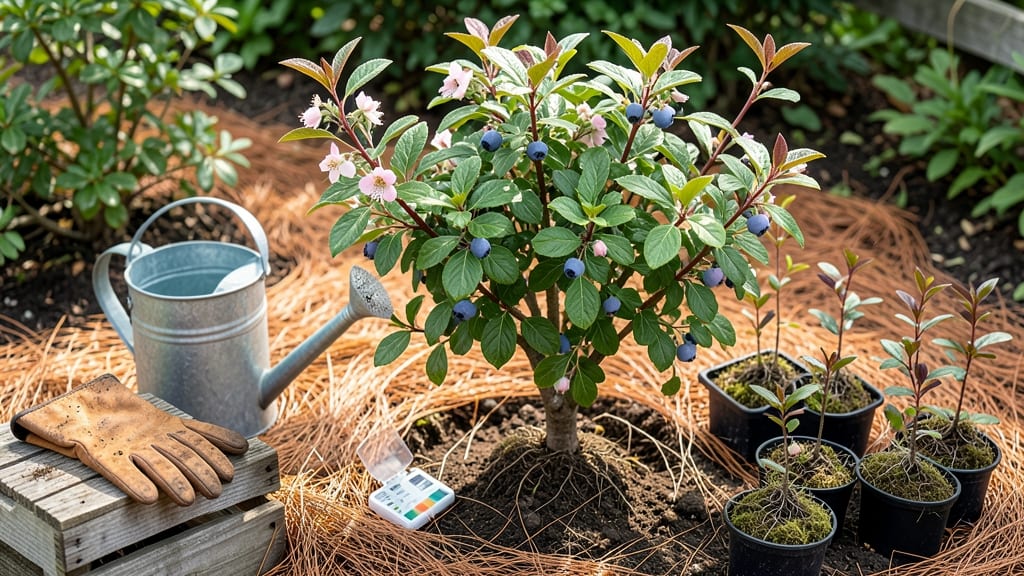
Planting blueberries in Washington State at the wrong time could mean the difference between a thriving 🫐 bush and one that barely survives. The perfect window depends on your specific zone—whether you're in the cooler Pacific Northwest or the drier eastern regions—because timing affects root establishment and fruit production.
If you're in USDA zones 5b-8b, you have two prime opportunities: late winter to early spring (February-April) or fall (September-October). But here's the catch: coastal areas like the Puget Sound have different frost risks than inland spots near Yakima, making adjustments critical for success.
I'll walk you through exactly when to plant based on your microclimate, whether you're working with bare-root plants or potted varieties. You'll also discover how to prepare your soil and care for your bushes post-planting to ensure they take root and produce berries for years.
Ready to grow blueberries that thrive in Washington's diverse climate? Let's get started with the zone-specific deadlines that will set your bushes up for success.
Best planting months for blueberries in Washington’s climate zones
Washington’s USDA zones 7-9 create unique challenges for blueberry growers. In the western region (Zone 7), cooler, wetter springs delay planting, while the eastern region (Zone 9) faces early heat and drought risks.
Timing your plantings to match these conditions ensures your bushes establish strong roots before summer stress sets in.
For spring planting, aim for late February through April. This window allows soil to warm enough for root growth while avoiding late frosts. In fall, September to early October is ideal—giving roots time to establish before winter dormancy.
Each zone has slight variations, so let’s break it down by region.
🌱
Washington Blueberry Planting Guide by Zone
| Zone & Region | Best Planting Window | Soil Temp Goal | Key Consideration |
|---|---|---|---|
| Zone 7 (Western WA: Seattle, Olympia) | Late February - Mid-April OR September 15 - October 15 |
45-55°F (7-13°C) | Cool, wet springs delay planting; avoid late frosts (avg. last frost: March 15). |
| Zone 8 (Central WA: Yakima, Wenatchee) | March 1 - April 15 OR September 1 - October 10 |
50-60°F (10-16°C) | Drier climate; plant early to avoid summer heat stress. Irrigation critical in fall. |
| Zone 9 (Eastern WA: Spokane, Pullman) | March 15 - April 30 OR August 15 - September 15 |
55-65°F (13-18°C) | Early heat; fall planting risks drought. Prioritize mulch and shade cloth. |
Pro Tip: Use a soil thermometer to confirm 45°F+ before planting. Bare-root plants need moist soil; potted plants can handle slightly warmer conditions.
In Zone 7 (Western WA), where winters are milder and springs wetter, focus on planting after the last frost date (March 15). If you choose fall planting, aim for September 15 to allow roots to establish before winter rains arrive.
The Pacific Northwest’s high humidity means fungal diseases are a risk, so avoid planting in soggy soil.
For Zone 8 (Central WA), like Yakima or Wenatchee, the drier climate shifts priorities. Plant in early spring (March 1) to beat summer’s 90°F+ temperatures.
Fall planting works but requires consistent irrigation—blueberries hate drought stress. If you’re in a high-desert area, consider container gardening for better moisture control.
In Zone 9 (Eastern WA), where Spokane’s dry summers arrive early, timing is critical. Plant late March to April to avoid heat stress, or opt for late summer (August 15) if spring planting slips.
Eastern WA’s low humidity reduces fungal risks, but mulch heavily to retain moisture. Dwarf varieties like ‘Top Hat’ thrive here due to their compact size.
Regardless of zone, bare-root plants establish faster than potted ones. If you’re buying potted blueberries, plant them 1-2 weeks earlier—their roots need time to adjust to outdoor conditions. Always amend soil with peat moss or sulfur to lower pH to 4.5-5.5, which blueberries crave.
One common mistake? Planting too late in spring. If your blueberries sprout before roots establish, they’ll struggle when summer heat arrives. Test soil moisture weekly—blueberries need 1 inch of water per week, but never soggy soil. Use drip irrigation to keep foliage dry and reduce disease risk.
For container growers in urban areas, timing shifts slightly. Plant potted blueberries in May to avoid frost damage, and choose self-pollinating varieties like ‘Bluecrop’ or ‘Duke’. Containers dry out faster, so water every 5-7 days and use a 5-gallon minimum pot size for mature bushes.
💧
How to choose the perfect planting time based on weather patterns
Washington’s unpredictable weather means your blueberry planting timeline should be flexible. While the general rule is to plant in late winter or fall, late frosts or early heatwaves can throw off your schedule.
For example, coastal areas like Seattle often experience frost until mid-April, while inland regions like Yakima Valley may warm up by mid-March. Adjust your planting date based on your last frost date to avoid shocking young roots.
If you’re planting in spring (February-April), aim for when soil temperatures reach 45°F (7°C). Use a soil thermometer to check—cold soil slows root growth and increases disease risk.
In fall (September-October), plant at least 6-8 weeks before the first frost to allow roots to establish before winter dormancy. This gives your bushes time to harden off before cold sets in.
🌧️ Rainfall matters too. Overly wet springs can delay planting, while dry spells may require extra watering. In western Washington’s wetter zones (7-8), fall planting is often safer because the soil stays moist longer.
In eastern Washington’s drier zones (9), spring planting gives you better control over watering schedules.
📅 Pro Tip: Check your local Cooperative Extension Service frost maps or use Almanac.com’s frost calculator to pinpoint your exact last frost date. This small step can mean the difference between a thriving bush and one that struggles to survive its first winter.
🌡️ Watch for heatwaves. If temperatures soar above 85°F (29°C) before your blueberries are established, their roots can dry out. In Zone 9 areas like Wenatchee, consider fall planting to avoid summer stress.
If you must plant in spring, use shade cloth for the first few weeks until roots establish.
🌿 Microclimates matter. A spot near a lake or river may stay cooler longer, while a south-facing slope warms up faster. Observe your yard’s behavior for a few weeks before planting—notice where frost lingers or where heat pools.
Planting in a slightly sheltered microclimate can give your blueberries a head start.
⚠️ Avoid these common mistakes:
- Planting too early when soil is still frozen or soggy.
- Ignoring local weather forecasts for late frosts.
- Skipping soil prep in heavy clay or sandy soils that drain poorly.
- Planting container-grown blueberries in extreme heat without acclimation.
By tailoring your planting time to your specific microclimate, you’ll give your blueberries the best chance to thrive in Washington’s varied growing conditions. Next, we’ll explore the best blueberry varieties for late planting seasons—perfect for those who miss the traditional window! 🫐