
Companion Plants
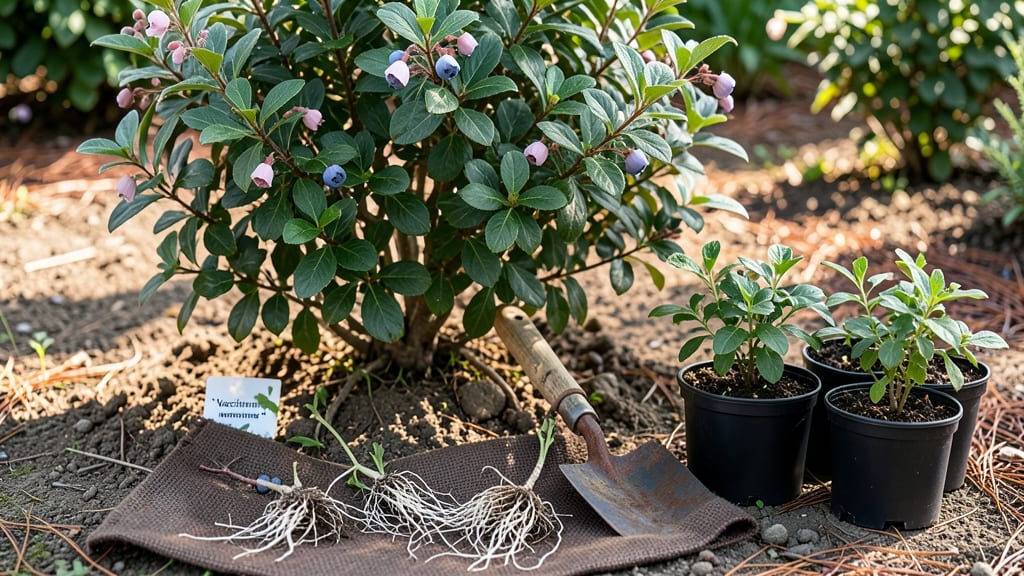
Timing is everything when it comes to planting blueberry bushes in Pennsylvania—get it wrong, and you risk frost damage or stunted growth.
Since your 🫐 thrives in Zones 5-7, knowing the ideal windows (early spring or fall) makes all the difference between a struggling bush and one bursting with fruit by summer.
Most gardeners in PA swear by planting in April-May or September-October, but why? The key is avoiding late frosts while giving roots time to establish before winter.
I’ll break down the science behind these windows and how to adjust for your specific microclimate—whether you’re in Pittsburgh’s cooler hills or Philadelphia’s milder valleys.
You’ll also discover whether bare-root or container-grown bushes work better for your schedule, plus how to prep your soil for maximum success. Trust me, skipping these steps can mean smaller harvests or bushes that struggle to survive Pennsylvania’s unpredictable weather.
Ready to plant with confidence? Let’s dive into the exact timeline, soil prep, and care tips that’ll have your blueberry bushes thriving—and your kitchen table overflowing with homegrown 🫐 by next summer.
Best planting months for blueberry bushes in PA Zones 5-7: a science-backed timeline
Timing your blueberry bush planting in Pennsylvania is all about avoiding late frosts while giving roots time to establish before winter. In Zones 5-7, you have two prime windows: early spring (April-May) and early fall (September-October). Each offers unique advantages depending on your microclimate and bush type.
Spring planting lets you capitalize on Pennsylvania’s warming soils, but you’ll need to protect young plants from unpredictable April frosts. Fall planting, on the other hand, gives roots months to settle before winter—just avoid planting too close to first frost dates (typically late October).
Let’s break down the science behind each window.
| Planting Window | Ideal Months | Soil Temp Requirement | Frost Risk | Best For |
|---|---|---|---|---|
| Early Spring | April - Early May | 45-55°F | High (late frosts) | Bare-root plants, urban gardens |
| Late Spring | Mid-May - June | 55-65°F | Low | Container plants, warm microclimates |
| Early Fall | September - Early October | 50-60°F | Moderate (first frosts) | Bare-root plants, rural gardens |
| Late Fall | October - November | 40-50°F | High (winter freeze) | Avoid (roots won't establish) |
For Zone 5 gardeners (western PA), aim for April 15-May 15 in spring or September 15-October 15 in fall. In Zone 7 (southeastern PA), you can extend spring planting until June 1 and fall planting into early November.
Check your local USDA frost map—Pennsylvania’s last frost averages April 15, but mountain regions can delay by weeks.
Bare-root blueberry bushes thrive when planted in cool but thawed soil. In spring, wait until soil reaches 45°F—stick your finger in: if it feels cool but workable, it’s ready.
For fall, soil should stay above 50°F for at least 4-6 weeks post-planting to avoid winter kill. Use a soil thermometer for precision in unpredictable PA winters.
Container-grown bushes give you more flexibility. Plant them in spring (April-June) when roots aren’t pot-bound, or in early fall (September) to avoid transplant shock before winter. Just remove the container and loosen roots before setting in the hole—this mimics natural root spread and reduces stress.
Microclimates matter! Urban Philadelphia gardeners can plant 1-2 weeks earlier than rural Pittsburgh due to heat island effects. Mountain regions (like Poconos) should delay until May 1 or plant in late September to avoid early snow. Always choose a south-facing spot to maximize warmth and extend your planting window.
Pro tip: If you miss the ideal windows, container planting lets you delay until soil warms. Just keep containers in a shaded, sheltered spot until transplanting.
For fall plantings, add 3-4 inches of mulch after planting to insulate roots—critical for PA’s Zone 5 winters where temps can drop to -10°F.
Remember: Blueberry bushes planted at the right time establish 3x faster and produce fruit 1-2 years earlier than poorly timed plantings. In PA’s climate, that means sweeter harvests by Year 3 instead of Year 5. Don’t rush—patience now pays off with bountiful blueberry bushes for decades.
🌱
Best planting months for blueberry bushes in PA Zones 5-7: a science-backed timeline
Pennsylvania’s USDA Zones 5-7 create a unique challenge for blueberry planting—too early, and late frosts will damage tender roots; too late, and your bushes won’t establish before winter.
The sweet spot? April-May for spring planting or September-October for fall planting, when soil temperatures hover between 40-50°F and frost risk drops below 20%. These windows align with your 🫐’s natural dormancy cycles, giving roots 6-8 weeks to settle before winter’s chill.
For spring planting, aim for after your last frost date (typically mid-April in most of PA, but check local forecasts—Philadelphia’s last frost averages April 15 while Pittsburgh’s can linger until May 1).
Fall planting works best in September, when daytime temps stay above 60°F but nights dip toward 50°F, signaling your bushes to harden off for winter.
Here’s the science: Blueberry roots need 60-90 days to establish before winter. Planting too early (like February) risks frost heave damage, while waiting until June leaves no time for root growth before harvest season.
Your microclimate matters—gardeners in Erie’s Zone 6 can plant 2 weeks earlier than those in Wilkes-Barre’s Zone 5, where colder soils delay spring planting.
📅 PA Blueberry Planting Timeline: Spring vs. Fall
| Season | Best Months | Soil Temp | Frost Risk | Root Establishment |
|---|---|---|---|---|
| Spring | April–May | 45–60°F | Low (<20%) | 60–90 days before summer |
| Fall | September–October | 50–60°F | Moderate (30–50%) | 60–75 days before first frost |
*Adjust for your last/first frost dates—check Almanac’s PA frost calculator.
Pro tip: Bare-root bushes (cheaper and widely available) thrive best in spring planting, while container-grown plants (more expensive but flexible) can handle fall planting if you’re in a milder microclimate like Lancaster County.
For container-grown bushes, plant 2 weeks earlier than bare-root to account for their established root systems needing less time to adjust.
If you’re debating between seasons, consider your blueberry variety. Northern highbush types (like ‘Bluecrop’ or ‘Duke’) tolerate PA’s winters better and adapt well to both spring/fall planting, while southern highbush varieties (like ‘Climax’) need spring planting only to avoid winter dieback.
Always check the tag—your nursery can help match varieties to your zone.
Remember: The first 30 days after planting are critical. Mulch with 3–4 inches of pine straw (acidic and weed-suppressing) and water deeply 2–3 times per week to encourage root growth.
By next summer, your timing will pay off with bushes that bear fruit reliably—and maybe even a few extra 🫐 for your neighbors!