
Plants
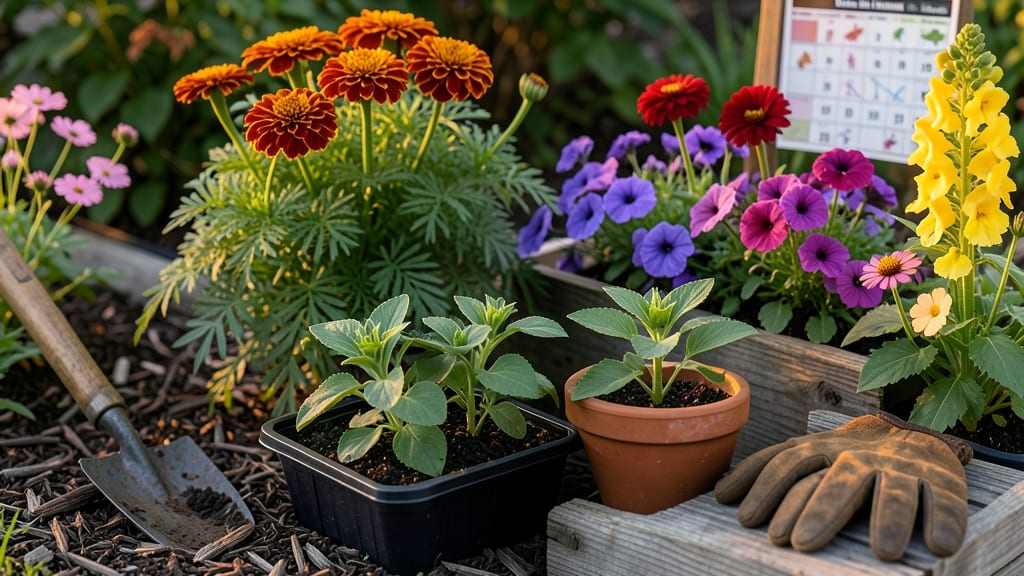
Timing your annuals planting in Pennsylvania wrong could mean the difference between a vibrant 🌸 garden and wasted effort—especially when your neighbor’s petunias bloom while yours never take root.
The state’s mix of urban heat islands, lake-effect cooling, and mountain microclimates means planting deadlines can shift by weeks, even within the same Zone 6-7 region.
If you’ve ever wondered why some gardeners swear by early April starts while others wait until May, the answer lies in Pennsylvania’s unpredictable frost patterns.
Cool-season annuals like pansies need to hit the soil before March 15, while warm-season favorites like marigolds can’t tolerate frost—and getting those dates wrong means bolting flowers or stunted growth.
Here’s the game-changer: a microclimate-specific planting schedule tailored to Pennsylvania’s diverse zones. Whether you’re in Philadelphia’s urban heat or the Poconos’ cooler highlands, I’ll break down the exact windows you need to maximize your garden’s potential—plus tips for extending seasons with row covers and cold frames.
Ready to stop guessing and start planting with confidence? Let’s dive into the precise deadlines that’ll have your annuals thriving from spring through fall.
Pennsylvania annual planting deadlines by last frost date (zones 6-7)
Pennsylvania’s Zones 6-7 offer a 165-200 day frost-free season, but last frost dates shift dramatically across regions. In Philadelphia (Zone 7a), the average last frost is April 15, while Erie (Zone 6b) often waits until May 1.
These 2-week differences can mean the difference between thriving petunias and frozen seedlings.
To simplify, I’ve broken planting into two critical windows: cool-season annuals (plant before March 15) and warm-season annuals (wait until after May 15). Cool-season stars like lettuce and pansies handle light frosts, while tomatoes and marigolds need warm soil to thrive.
Here’s the visual breakdown of deadlines for 10 key PA cities, comparing Zone 6 (cooler) vs. Zone 7 (warmer) timelines:
Notice how Erie and State College lag behind Philadelphia by 2-3 weeks? That’s due to lake-effect cooling near Erie and higher elevations in the Poconos.
For Zone 7 areas like Philadelphia, you can safely plant warm-season veggies by May 1, while Zone 6 gardeners should wait until May 22.
Pro tip: Use row covers to push cool-season planting back by 2-3 weeks in Zone 6. For example, spinach planted under cover on April 1 in Pittsburgh can survive until May 10 before transplanting outdoors. Just remove covers 24 hours before last frost to avoid overheating.
For warm-season annuals, soil temperature matters more than air temperature. Test your soil with a thermometer—most tomatoes and peppers need soil at 60°F+ to germinate. In Zone 6, this often means waiting until late May, even if the air feels warm earlier.
One common mistake? Planting marigolds too early in Zone 7. They’ll bolt (go to seed) by June if planted before May 1. Instead, wait until May 15 for longer blooms. The same rule applies to cosmos—they self-seed aggressively if planted before their ideal window.
🌱
How to adjust planting dates for Pennsylvania’s microclimates (urban vs. rural)
Pennsylvania’s gardening timeline isn’t one-size-fits-all—your urban Philadelphia garden might be 3 weeks ahead of a rural Poconos plot. Urban heat islands (like Pittsburgh) can push last frost dates back by 10-14 days, while lake-effect cooling near Erie delays warm-season planting until May 25 instead of May 15.
Even within Zone 6-7, elevation shifts of just 500 feet can create 2-week planting differences.
Here’s the critical adjustment: Add 7-10 days to rural planting dates if you’re in an urban area, and subtract 5-7 days for highland regions.
For example, State College’s Zone 6b (elevation 2,000 ft) often needs cold-hardy annuals like snapdragons planted by March 1, while Philadelphia’s Zone 7a can wait until March 15 for the same varieties.
🚨 WARNING: Lake-effect zones (Erie, Scranton) face late-spring frosts—wait until May 25 for warm-season annuals like tomatoes. Meanwhile, Pittsburgh’s urban core can safely plant marigolds by May 10 thanks to retained heat.
Always check local frost records (like Penn State Extension’s Frost Freeze Tool) before committing to early sowing.
⚠️ Microclimate Risks
- Urban Heat: 5°F warmer than rural areas → earlier planting but higher water needs.
- Lake Zones: Late frosts after May 15 → delay warm-season plants until June 1.
- Mountain Slopes: 10°F cooler → plant cold-hardy annuals 2 weeks earlier.
- Valleys: Cold air pooling → protect seedlings with row covers until May 30.
Pro Tip: Use heat mats in urban areas to start seeds 2 weeks early.
For fall planting, rural areas hit first frost 2 weeks earlier than cities.
In Zone 7, sow cool-season annuals (like kale) by August 15 in the Poconos, but wait until September 1 in Philadelphia. Row covers can extend this window by 3-4 weeks, letting you enjoy pansies until November 15 in most of PA.
My go-to hack? Plant test rows of cold-hardy annuals (like snapdragons) in both urban and rural spots. If the urban row thrives 2 weeks earlier, use that as your local benchmark for all warm-season plants. This simple trick saves hundreds of dollars in wasted seedlings.
Remember: Pennsylvania’s microclimates aren’t just about frost—they’re about soil warmth, wind exposure, and urban pollution (which can stress plants). Use these adjustments, and your annuals will bloom on schedule, no matter where you garden in the Keystone State. 🌿