
Plants
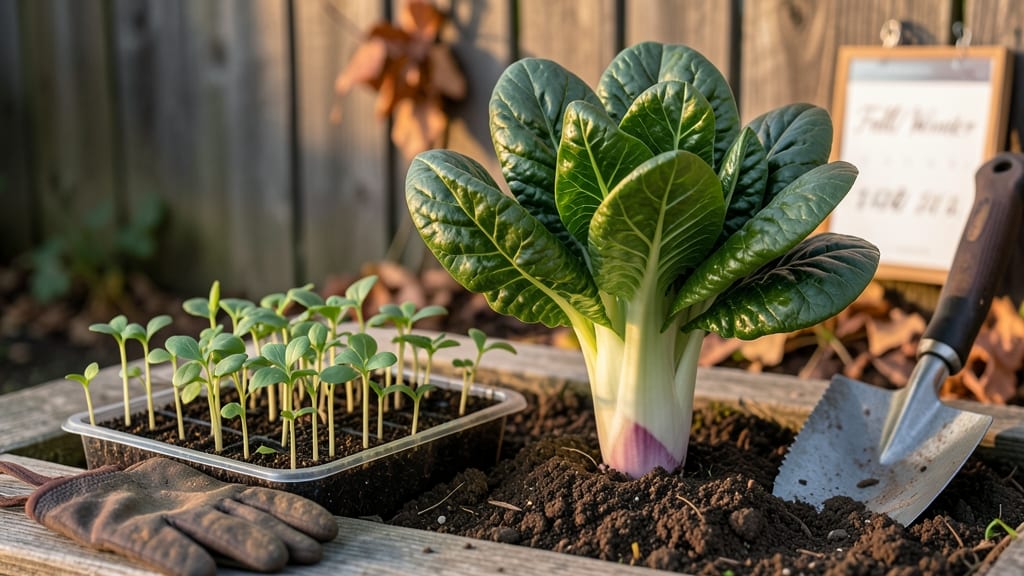
If you're growing bok choy 🥬 in Zone 9 and want to know when to plant bok choy in zone 9 for crisp, flavorful harvests in just 30-50 days, timing is everything.
Planting at the wrong time in Southern California or Phoenix can turn your tender greens bitter or stunted—so let's get this right from the start.
Zone 9's mild winters and warm springs create a unique growing window for fast bok choy production. But whether you're aiming for fall harvests or spring greens, missing the ideal planting deadlines means missed opportunities.
The key is understanding how temperature shifts affect growth and when to adjust for succession planting.
From late summer to early spring, bok choy thrives in Zone 9's 60-75°F sweet spot—but too much heat or cold throws off the timing. I'll show you exactly when to plant for year-round harvests, including how to protect your crops during summer heatwaves and winter chills.
Ready to grow crisp bok choy on demand? Let's dive into the exact planting schedule that'll have you harvesting fresh greens every 6-8 weeks, no matter the season.
Zone 9 bok choy planting calendar: fall vs spring deadlines explained
Zone 9 gardeners have a unique advantage with bok choy—its mild winters and warm springs create ideal conditions for year-round harvests. But timing is everything. Plant too early in summer, and you’ll trigger bolting (premature flowering).
Plant too late in fall, and winter rains may rot tender roots. Let’s break down the exact deadlines for fall and spring planting, including temperature thresholds and transplanting tips.
Bok choy thrives in 60–75°F soil temperatures. In Zone 9, this means avoiding the peak summer heat (June–August) and focusing on fall and spring windows. For direct sowing, aim for soil temps below 80°F—any hotter, and your seedlings will bolt before you can harvest.
Transplants, however, are more forgiving and can handle slightly warmer conditions if shaded.
Here’s the comparison table for optimal planting windows in Zone 9, including last-chance dates and key temperature thresholds:
| Season | Planting Window | Ideal Soil Temp (°F) | Last Chance Date | Notes |
|---|---|---|---|---|
| Fall | Late August–October | 60–75°F | Early November | Harvest before winter rains; use shade cloth in late fall. |
| Spring | February–April | 60–75°F | Early May | Avoid planting after April 15 to prevent bolting. |
| Winter (Coastal) | December–January | 55–65°F | Early February | Use row covers for frost protection in inland areas. |
For direct sowing, start seeds indoors 4–6 weeks before your target outdoor date to avoid seedling shock. Transplants, however, are easier for beginners and can be planted anytime soil temps are ideal.
In Zone 9, this means February–April for spring and August–October for fall. If you’re in a coastal microclimate (like San Diego), you can extend fall planting into early November with row covers.
Pro tip: Use shade cloth (30–50%) if planting in late spring or early fall to protect seedlings from intense afternoon sun. This simple trick can delay bolting by 2–3 weeks in hotter inland areas like Phoenix or Tucson.
Pair it with consistent watering (1 inch per week) to keep soil evenly moist.
Bok choy’s fast growth cycle (30–50 days) makes it perfect for succession planting. After your first harvest, replant the same spot immediately for a continuous supply. Just avoid planting in peak summer (June–August)—those high temps will turn your tender greens bitter and woody.
One common mistake in Zone 9 is assuming bok choy can handle full summer sun. While it tolerates partial shade, direct midday rays will stress the plants, leading to yellowing leaves or bolting. Instead, opt for morning sun and afternoon shade during summer months.
For transplanting, choose overcast days or late afternoon to reduce transplant shock. Harden off seedlings for 5–7 days before moving them outdoors by gradually exposing them to Zone 9’s mild conditions.
This step is critical for coastal vs. inland differences—coastal areas have cooler, foggier mornings, while inland zones like the desert can swing from cool nights to scorching days.
Remember: Bok choy’s sweetest flavor comes from cool-season growth. By sticking to these seasonal deadlines, you’ll enjoy crisp, tender greens year-round without the bitterness of summer-grown plants. 🥬
Zone 9 bok choy planting calendar: fall vs spring deadlines explained
Bok choy 🥬 in Zone 9 grows best when planted during cooler months, but timing varies dramatically between fall/winter and spring harvests. The key is avoiding heat stress (above 80°F) and cold snaps (below 50°F), which cause bolting or stunted growth.
In Southern California and Phoenix, this means August to March is your prime window—but not all months are equal.
For spring harvests, aim to plant February to April when daytime temps hover between 60-75°F. This gives your bok choy 6-8 weeks to mature before summer heat arrives. If you miss this window, your plants may bolt (go to seed) prematurely, ruining the tender leaves you crave.
For fall/winter harvests, start sowing late August to October to take advantage of cooling temperatures. Bok choy planted in September often thrives through October and November, delivering crisp greens just as summer’s intensity fades. Inland areas like Phoenix may need shade cloth to protect seedlings from lingering heat.
| Season | Planting Window | Ideal Temp Range | Harvest Time | Notes |
|---|---|---|---|---|
| Fall | Late August - October | 60-75°F (day), 55-65°F (night) | October - December | Use shade cloth for late August plantings in inland areas. |
| Spring | February - April | 65-75°F (day), 50-60°F (night) | April - June | Avoid planting after mid-April in inland zones. |
| Winter | November - January | 50-65°F (day), 45-55°F (night) | January - March | Growth slows; use row covers for extra warmth. |
Direct sowing vs. transplanting also matters in Zone 9. Seedlings (transplants) establish faster, so if you’re aiming for a spring harvest, buy 4-6 week old starts in January and pop them into the ground by mid-February.
For fall crops, direct sow seeds in late August to avoid transplant shock during heatwaves.
One critical deadline is mid-April for spring plantings—after this, daytime temps often exceed 80°F, triggering bolting. If you miss the spring window, don’t despair: fall is your backup. Plant September seeds for October harvests, and you’ll have fresh bok choy just as summer fades.
Pro tip: Coastal Zone 9 (like San Diego) has milder winters, so you can push winter plantings into January without frost risk. Inland areas (like Phoenix) should stop planting by November to avoid cold stress.
Always check your local 7-day forecast before sowing—consistent moisture and stable temps are your best friends for sweet, crisp bok choy.