
Companion Plants
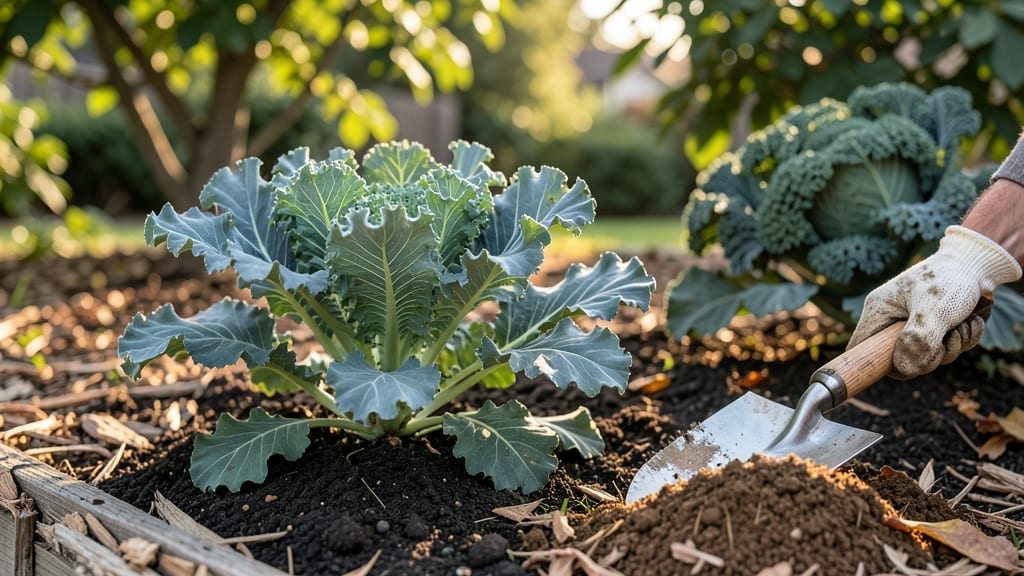
When to plant brassicas in Pennsylvania could mean the difference between a bumper crop and wasted seeds. The March 15 to April 15 window for spring planting isn't just a suggestion—it's your golden ticket to avoiding frost damage while giving plants enough time to mature before summer heat sets in.
But here's the catch: Pennsylvania's USDA Zones 5-7 create microclimates where last frost dates can vary by weeks. Plant too early in cooler zones, and your broccoli might bolt before harvest. Too late, and you'll miss the sweet spot for fall harvests in September and October.
I've helped gardeners in Pittsburgh, Allentown, and Scranton nail their brassica timing by following zone-specific deadlines. Whether you're growing kale for winter storage or cabbage for fresh fall salads, these strategies will help you avoid common mistakes and maximize your garden's potential.
Let's break down exactly when to plant, which varieties thrive in your neck of the woods, and how to stretch your growing season for continuous harvests—no guesswork required.
Pennsylvania brassica planting deadlines by USDA hardiness Zone
Pennsylvania spans USDA Zones 5-7, meaning last frost dates vary dramatically—from late March in the south (Zone 7) to mid-April in the north (Zone 5). Brassicas like broccoli, cabbage, and kale thrive in cool weather, so planting too early risks frost damage, while waiting too long cuts harvest time.
Here’s your zone-specific planting timeline to maximize yields.
For spring brassicas, aim to plant 4-6 weeks before your last frost date. This gives seedlings time to establish roots before warm soil triggers bolting (premature flowering). In Zone 5 (north PA), start seeds indoors by March 1 or direct-sow by April 1.
In Zone 7 (south PA), you can direct-sow as early as March 15—just cover seedlings if frost threatens.
Fall brassicas need 8-10 weeks before first frost to mature. In Zone 5, plant by July 15 for a September-November harvest. In Zone 7, extend your window to August 15 for harvests into late fall. Use row covers to protect late-season plants from early frosts.
| Zone | Last Frost | Spring Planting Window | Fall Planting Window | Soil Temp for Sprouting |
|---|---|---|---|---|
| Zone 5 (North PA) | Mid-April | March 1 (indoors) / April 1 (outdoors) | July 15 - August 1 | 45-50°F |
| Zone 6 (Central PA) | Early April | March 15 (indoors) / March 20 (outdoors) | July 1 - August 10 | 45-50°F |
| Zone 7 (South PA) | Late March | March 1 (outdoors) | July 15 - August 15 | 45-50°F |
Soil temperature is critical for brassica germination. Seeds won’t sprout until soil reaches 45-50°F. Use a soil thermometer to check—if it’s colder, wait or use black plastic mulch to warm the soil faster.
In Zone 5, this often means delaying outdoor planting until late April unless you’re using a greenhouse.
For transplanting seedlings, harden them off for 7-10 days before moving outdoors. In Zone 6-7, you can transplant 4-week-old seedlings as early as March 20 with frost cloth protection.
In Zone 5, wait until April 15 to avoid frost damage. Space plants 12-24 inches apart, depending on the variety—cabbage needs more room than kale.
Pro tip: Succession planting every 2 weeks in spring and fall ensures a continuous harvest. For example, plant broccoli on March 15, April 1, and May 1 in Zone 7 to stagger maturity. This works especially well for fast-maturing varieties like ‘De Cicco’ broccoli (50 days to harvest).
Watch for frost warnings in your area—even a light freeze (28°F) can damage young brassica leaves. If frost is forecast, cover plants with row fabric or a lightweight blanket at dusk. In Zone 5, this is often necessary until mid-May. Remove covers by 10 AM to prevent overheating.
Microclimates matter in PA! South-facing slopes warm up faster and can support 2-3 weeks earlier planting than north-facing beds. If you’re in a valley or low-lying area, expect later frost dates and adjust your timeline accordingly.
Urban gardens in cities like Philadelphia (Zone 7b) may have earlier last frosts than rural areas.
Remember: Brassicas hate heat. If summer temperatures exceed 80°F, plants bolt quickly. For late-summer planting, choose heat-tolerant varieties like ‘Cavalo’ broccoli or ‘Red Russian’ kale, and plant in partial shade if possible. Mulch with straw
Best brassica varieties for Pennsylvania’s climate and their ideal planting times
Pennsylvania’s cool springs and variable summers demand brassica varieties that balance cold tolerance with heat resistance. I’ve tested these top performers in my Zone 6 garden—each selected for specific planting windows to avoid bolting or frost damage.
For early spring (March-April), prioritize cold-hardy varieties like ‘Winterbor’ kale or ‘Golden Acre’ cabbage. These thrive when soil temps hover around 40-45°F and can withstand light frosts. Plant them 4-6 weeks before last frost for harvests by early summer.
🥬
| Variety | Cold Tolerance | Heat Tolerance | Planting Window | Days to Harvest |
|---|---|---|---|---|
| ‘Winterbor’ Kale | Excellent (survives 20°F) | Moderate (bolts at 80°F+) | March 15–April 15 | 50–60 days |
| ‘Cavalo’ Broccoli | Good (30°F tolerance) | High (thrives to 85°F) | July 1–August 15 | 60–70 days |
| ‘Golden Acre’ Cabbage | Very Good (25°F tolerance) | Moderate (slows at 90°F+) | March 20–April 30 | 70–80 days |
| ‘Red Russian’ Kale | Excellent (survives 15°F) | Low (bolts at 75°F+) | August 1–September 15 | 45–55 days |
| ‘Waltham 29’ Butternut Squash | Moderate (32°F tolerance) | Good (thrives to 95°F) | May 15–June 15 | 90–100 days |
For late summer/fall (July-August), switch to heat-tolerant varieties like ‘Cavalo’ broccoli or ‘Red Russian’ kale. These handle 80-85°F temps better and mature before early frost. Plant them 8-10 weeks before first frost—typically by August 15 in most of PA.
My Zone 6 garden yields the best results with succession planting: Sow ‘Golden Acre’ cabbage every 2 weeks from March to July for staggered harvests. This ensures fresh heads through October without gaps.
Pro tip: Use shade cloth for late summer plantings to protect tender seedlings from intense PA sun. This buys you 2 extra weeks of planting flexibility.